

From HSU Classrooms to International Academia: Students’ Research on AI in English Learning at Union TESOL 2026
Carrying their passion for research beyond the HSU campus, students from the Faculty of Languages and Psychology represented Hoa Sen University at Union TESOL 2026 in Singapore, where they presented their study on the role of AI in English language learning on an international academic platform. The experience enabled students to showcase their research, exchange ideas with scholars and educators, and strengthen their engagement with the global language education community.
Bringing HSU Students’ Research to the International Academic Stage
Serving as an international platform for researchers, lecturers, and experts in English language teaching worldwide, Union TESOL 2026 provided an opportunity for academic exchange and collaboration. Representing Hoa Sen University (HSU), a team of authors from the Faculty of Languages and Psychology presented their study titled “Human – AI Partnership in English Language Learning: A PLS-SEM Examination of Technology Acceptance and Learner Motivation”, exploring the relationship between AI adoption and learners’ motivation in English language education.
Moreover, the study explored the connection between learners’ acceptance of AI technology and their motivation to learn English. Using PLS-SEM, the research team examined how learners perceive AI and how it can serve as a supportive tool in the learning journey.
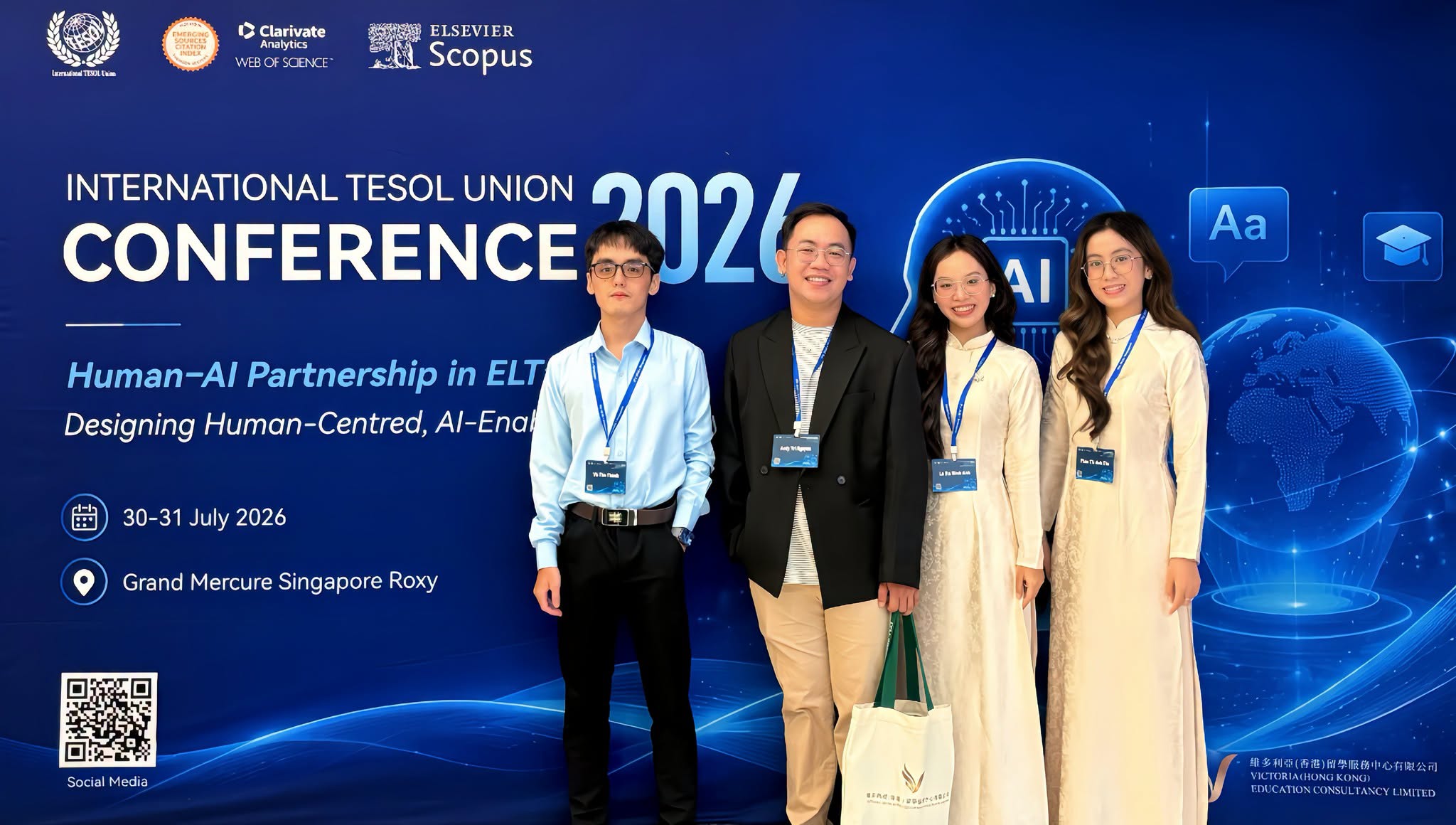
Under the guidance of Mr. Nguyen Minh Tri, MA, HSU Director of the English Language Studies Program, the research went beyond viewing AI as a technological tool, highlighting its potential as a supportive learning partner that empowered students to enhance their language skills.
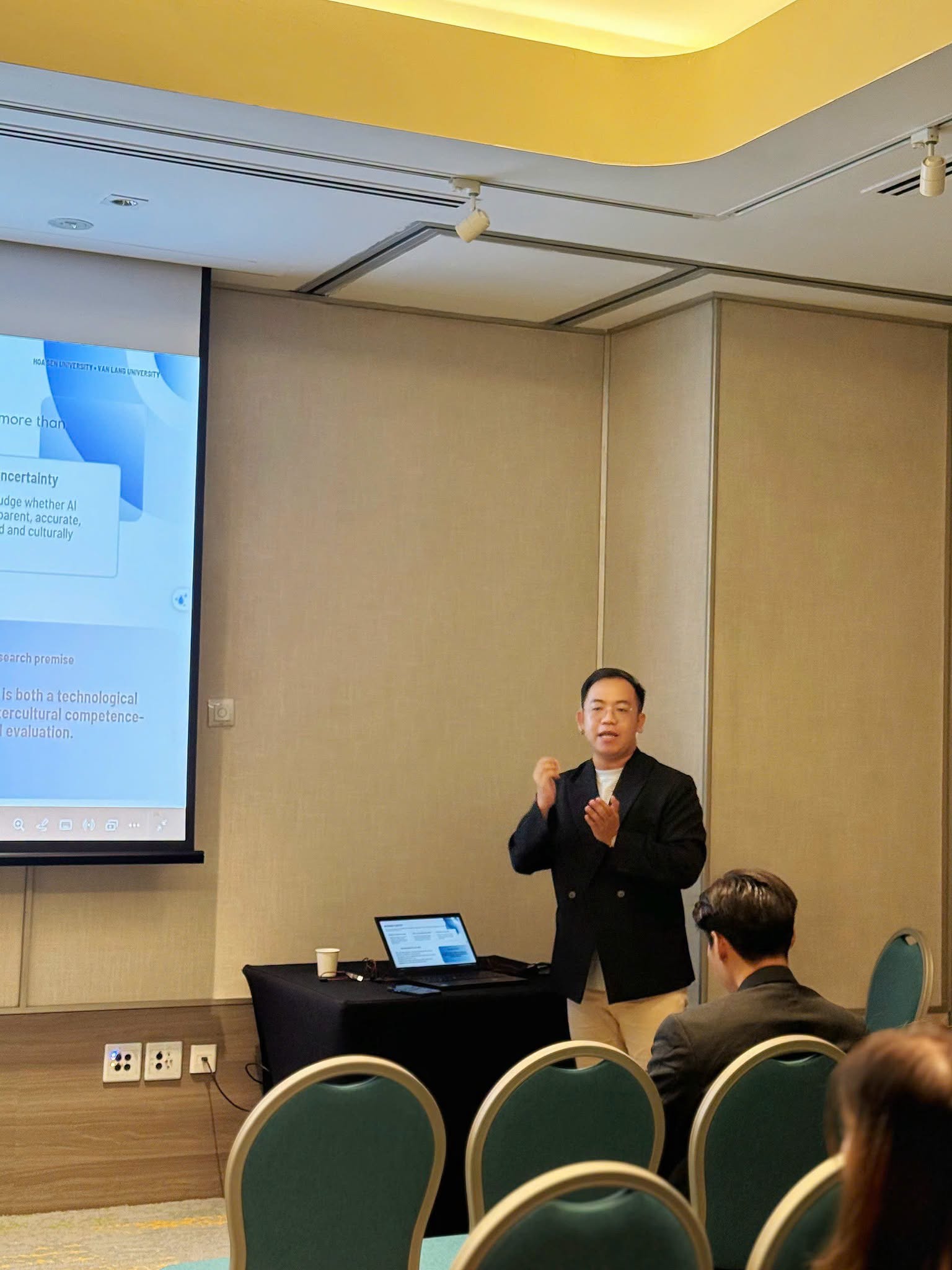
This research direction reflected the evolving landscape of language education, in which AI was increasingly influencing how learners accessed knowledge, developed foreign language skills, and took greater ownership of their learning journeys.
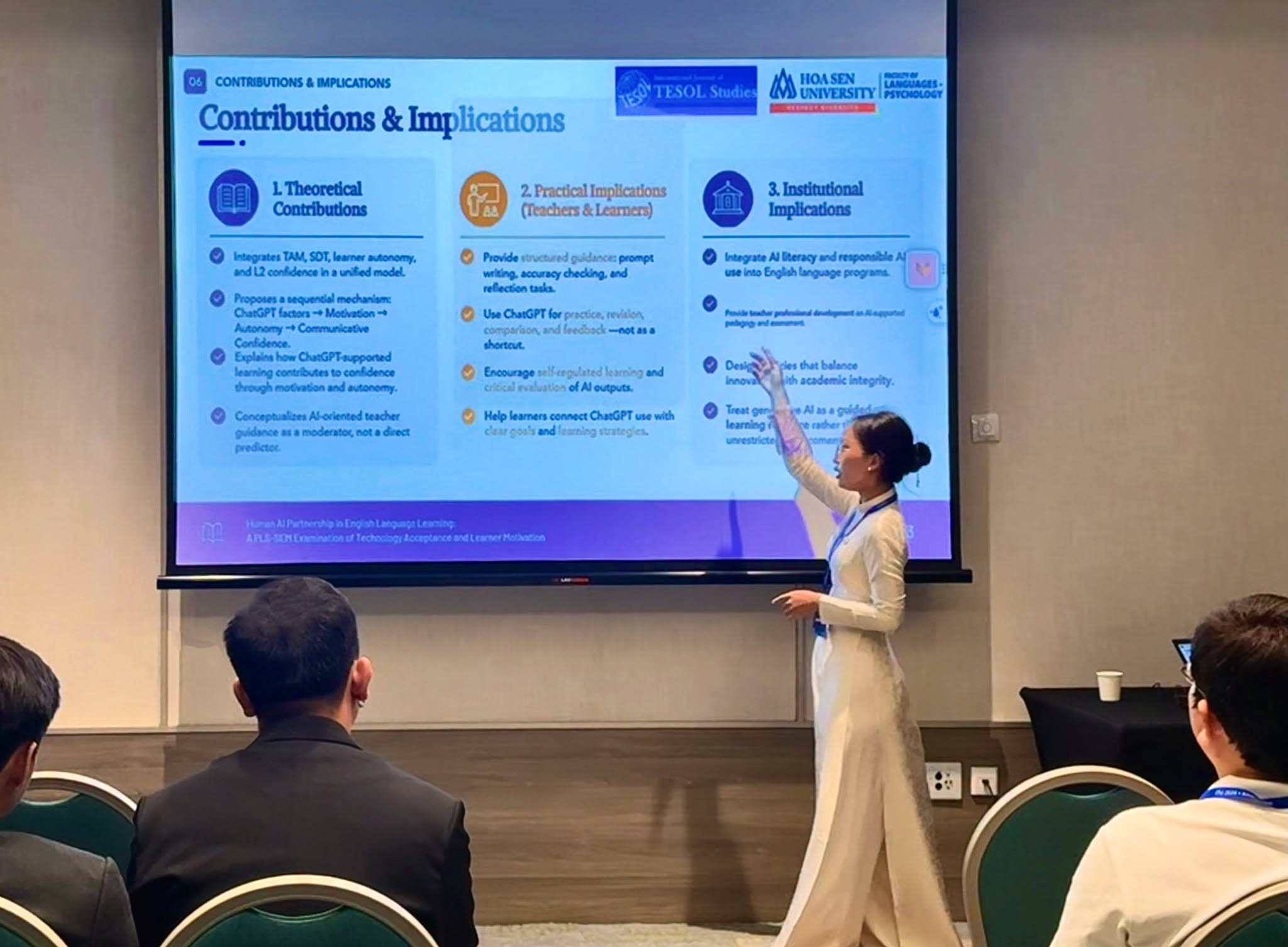
Practical Problem-Based Research Learning
HSU students’ presentation of their findings at an international conference highlighted how scientific research can emerge from simple yet meaningful questions drawn from everyday learning experiences.
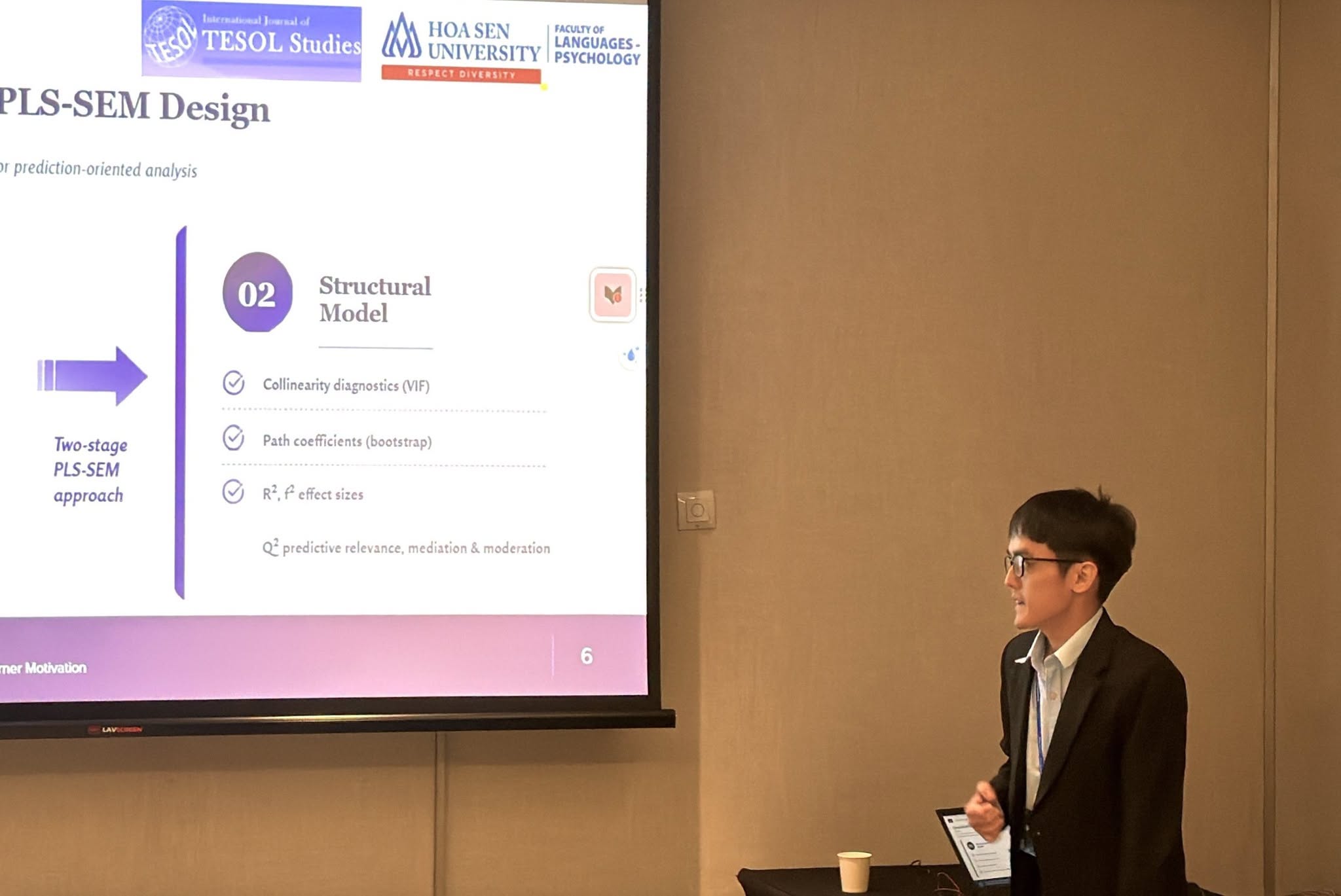
With AI reshaping how English learners access information, practice language skills, and interact with learning materials, the research team examined learners’ technology acceptance and learning motivation through a quantitative approach to generate empirical evidence.
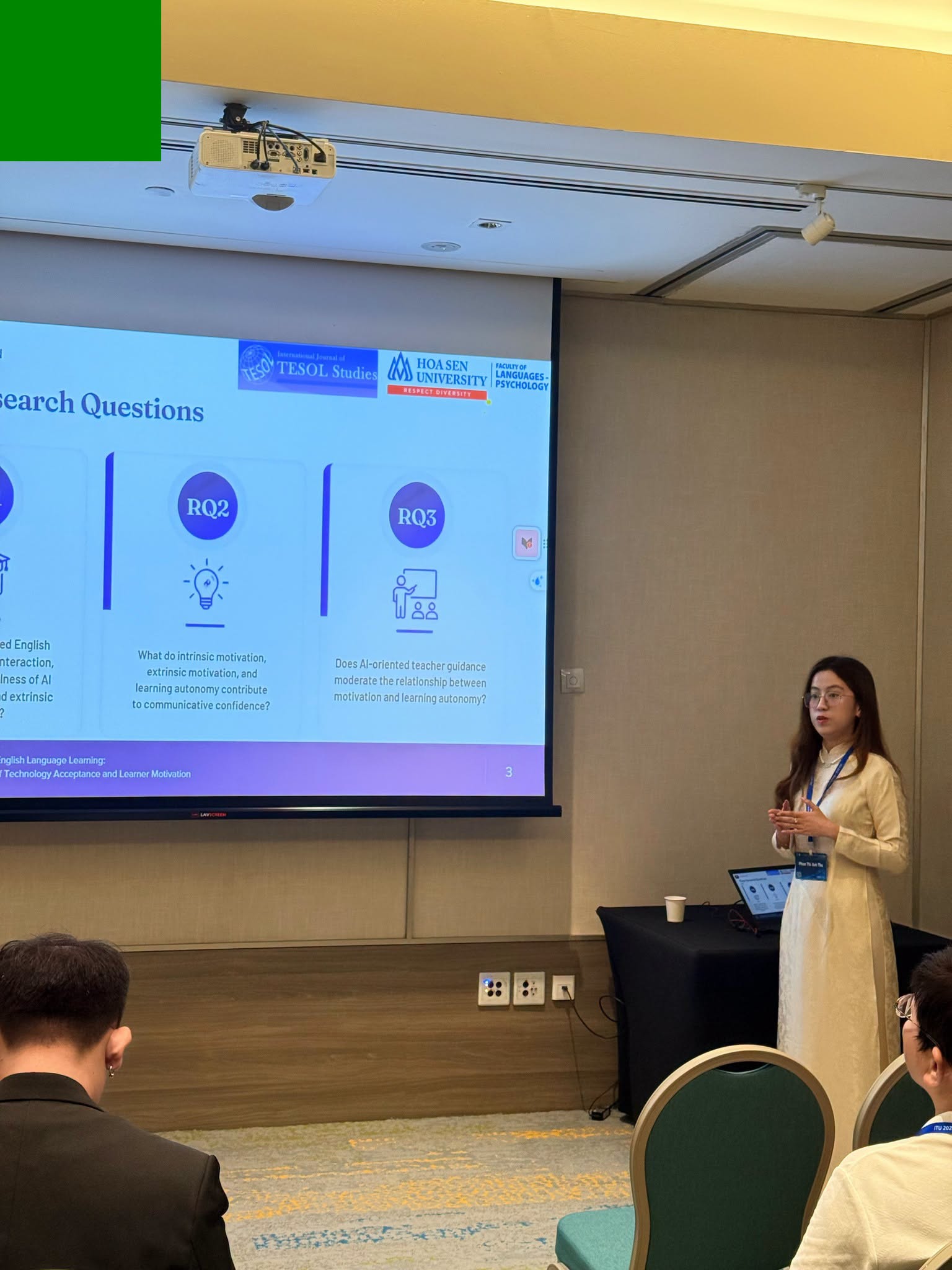
This process enabled HSU students not only to deepen their specialized knowledge but also to develop essential research skills, including formulating questions, collecting and analyzing data, testing hypotheses, and presenting findings in a well-founded manner.
By bringing their research to international forums, students gained valuable opportunities to receive perspectives from global scholars, strengthen their work, and expand their approach to research.
Bridging Classroom Learning and Global Opportunities
At Union TESOL 2026, representatives of the research team had the opportunity to present their findings and exchange ideas with scholars, lecturers, and experts in English language teaching.
More than a platform to showcase their research, the conference became a space for students to engage in meaningful academic conversations, gain new perspectives, and connect with a global community interested in the intersection of language education and technology.
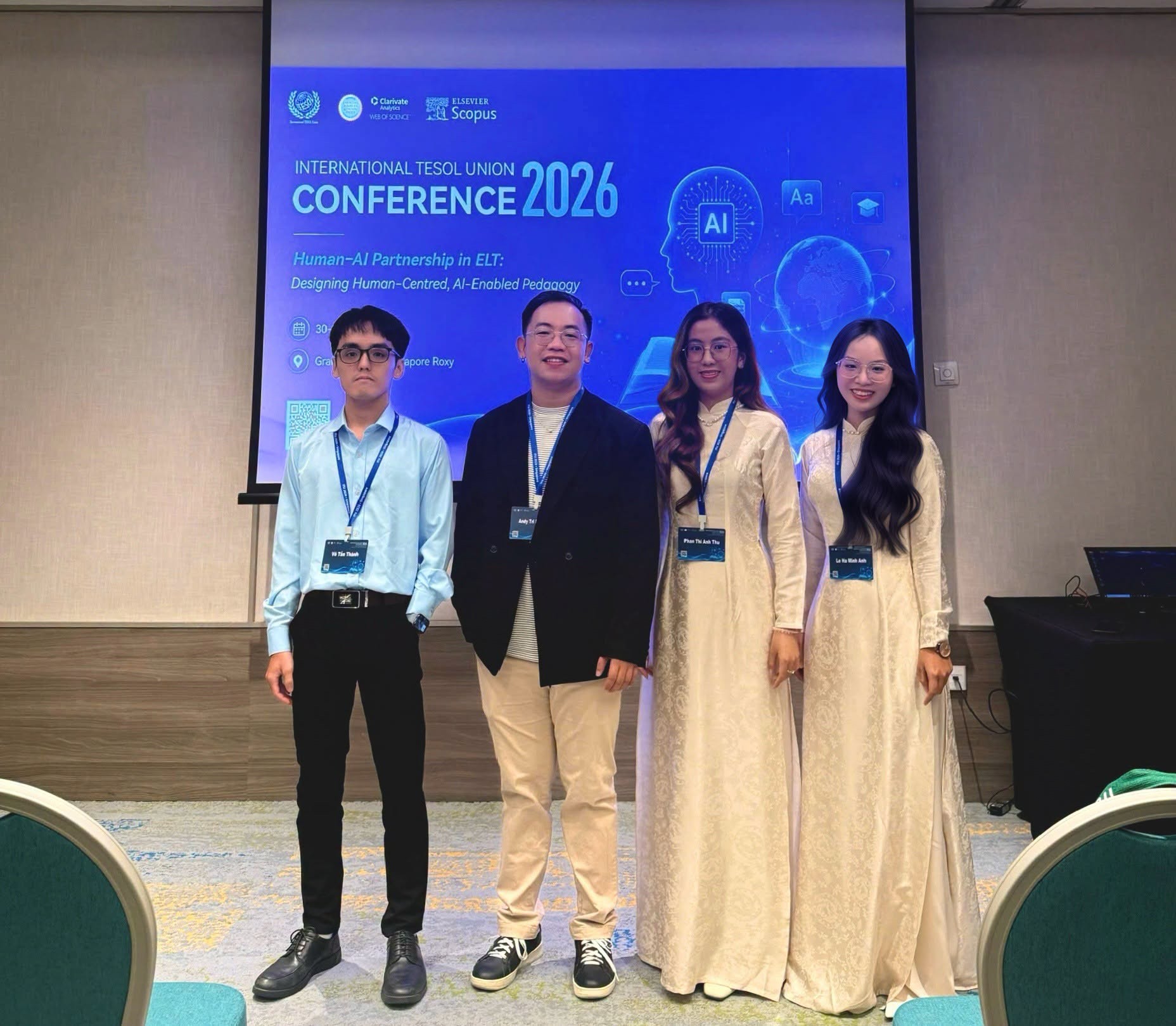
For the HSU Faculty of Languages and Psychology students, these experiences redefine the boundaries of the classroom. What they learn in class can evolve into research projects, become presentations at international forums, and serve as a foundation for ongoing academic exchange.
This embodies the spirit that HSU seeks to cultivate through its training programs: not only equipping learners with knowledge but also empowering them to transform knowledge into action, gain practical experience, and confidently navigate the world through their own abilities.
HSU students’ presence at Union TESOL 2026 goes beyond the presentation of a research report; it marks a significant milestone in their academic journey, as they learn to investigate real-world issues, pursue topics they are passionate about, and share their perspectives with the global academic community.