

“My Imagination Needs No Passport”: The Creative Philosophy of HSU Alumnus Nguyen Minh Duc
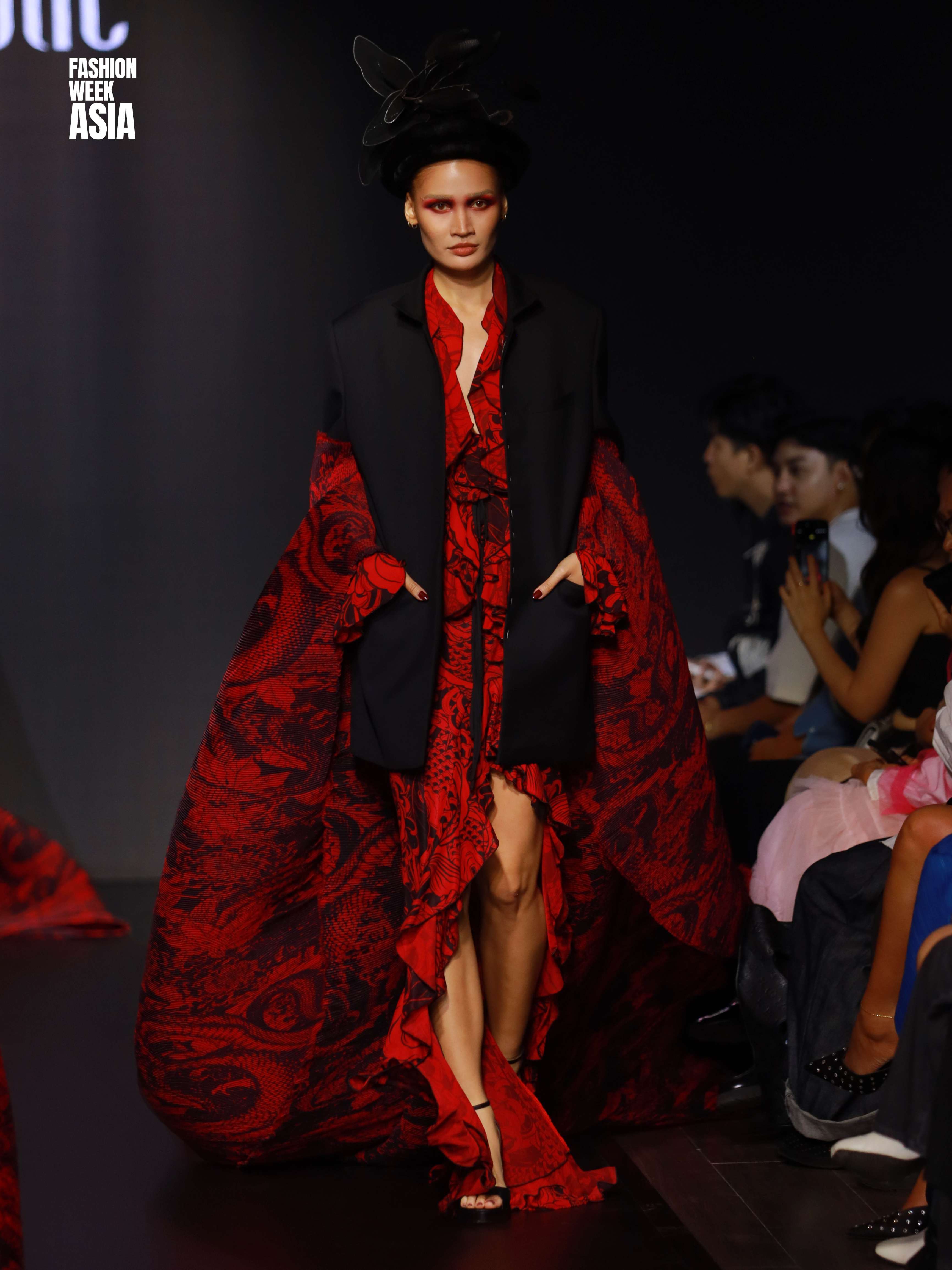
With his “MORALITY” collection at Fashion Week Asia 2026 (FWA), Mr. Nguyen Minh Duc, founder of DUC STUDIO and valedictorian of the Fashion Design program at the 2020 Graduation Ceremony of Hoa Sen University (HSU), caught the attention of international fashion media. Prominent publications, including Vogue Philippines, WWD Korea, and Allure, featured his distinctive interpretation of contemporary Vietnamese fashion.
Beyond reinterpreting familiar elements of Vietnamese clothing, he offered a thought-provoking perspective on cultural identity: it does not have to be expressed through immediately recognizable symbols, but can also emerge through the way a designer thinks, observes, and interprets the world.
A Dialogue Between Vietnamese Identity and Global Fashion
What do you consider the most distinctive aspect of “MORALITY,” the collection you presented at FWA 2026?
What makes “MORALITY” special to me is the opportunity to transform questions that have long occupied my mind into a complete creative vision. The collection looks into the space between good and evil, between the ideals we are taught to uphold and the instincts that exist within each of us. Human nature is full of contradictions, and I find that complexity endlessly fascinating.
Visually, I bring familiar elements of Vietnamese life into a different context. Traditional garments such as the “Ao dai” and “Ao ba ba” become starting points for experimentation, taking on new forms through deconstruction, denim, tailoring, and unexpected proportions.
The presentation of “MORALITY” at FWA 2026 in the Philippines and the subsequent attention from international media are certainly exciting milestones. However, my strongest feeling is gratitude for everyone who contributed to bringing the collection to life. What matters most to me is not simply the international recognition, but the realization that a story rooted in Vietnamese everyday life can speak to audiences across different cultures.
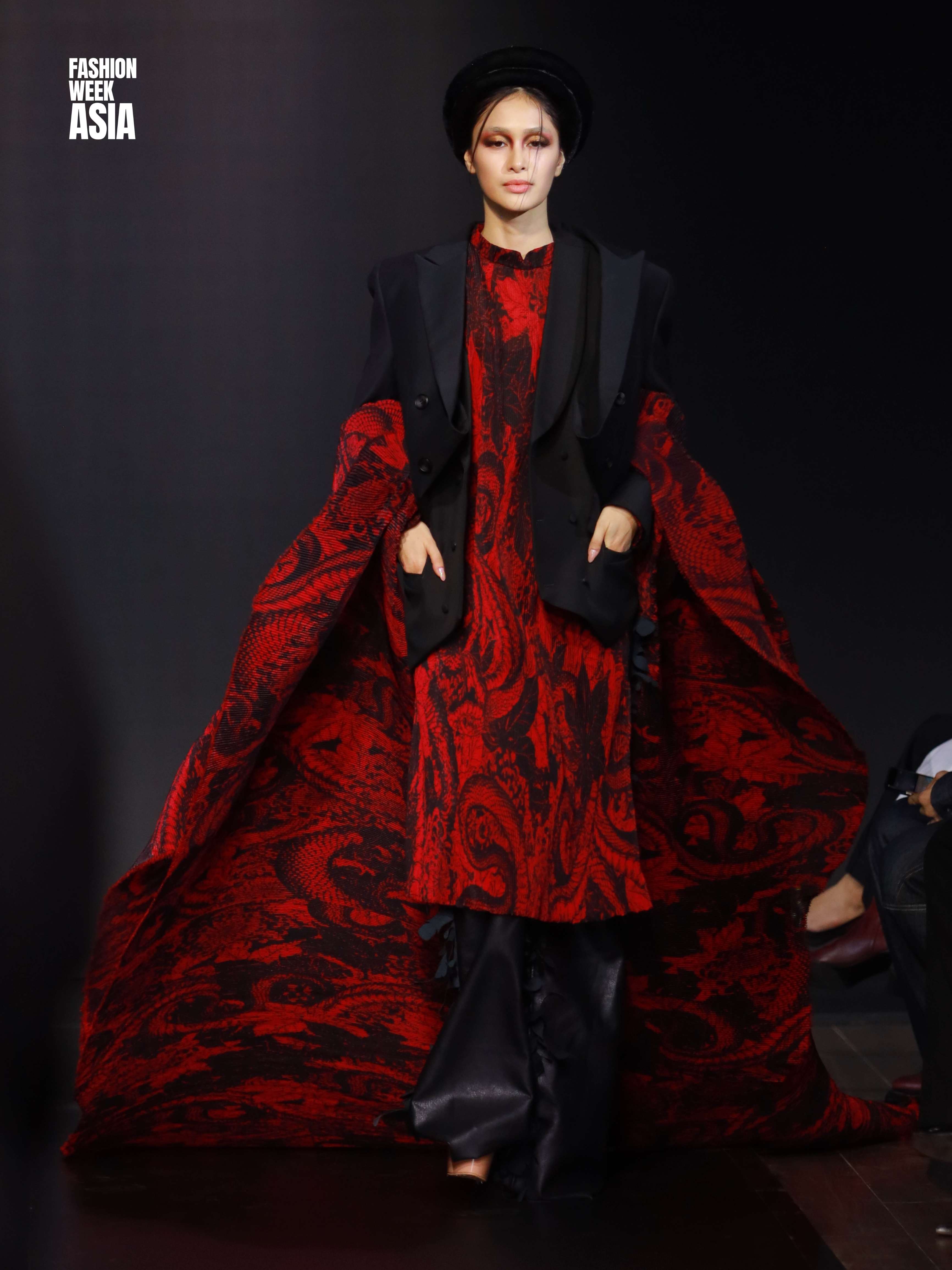
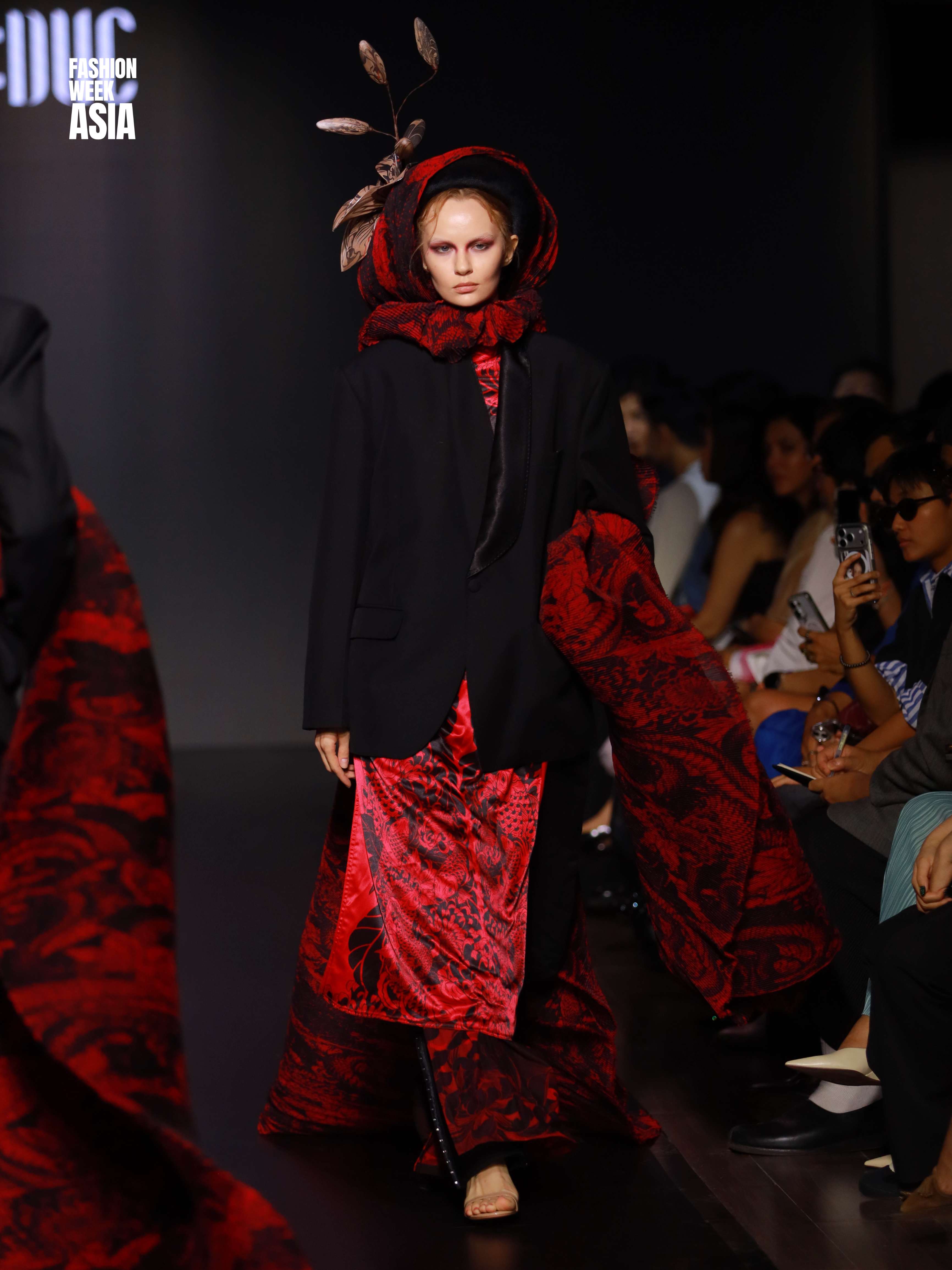
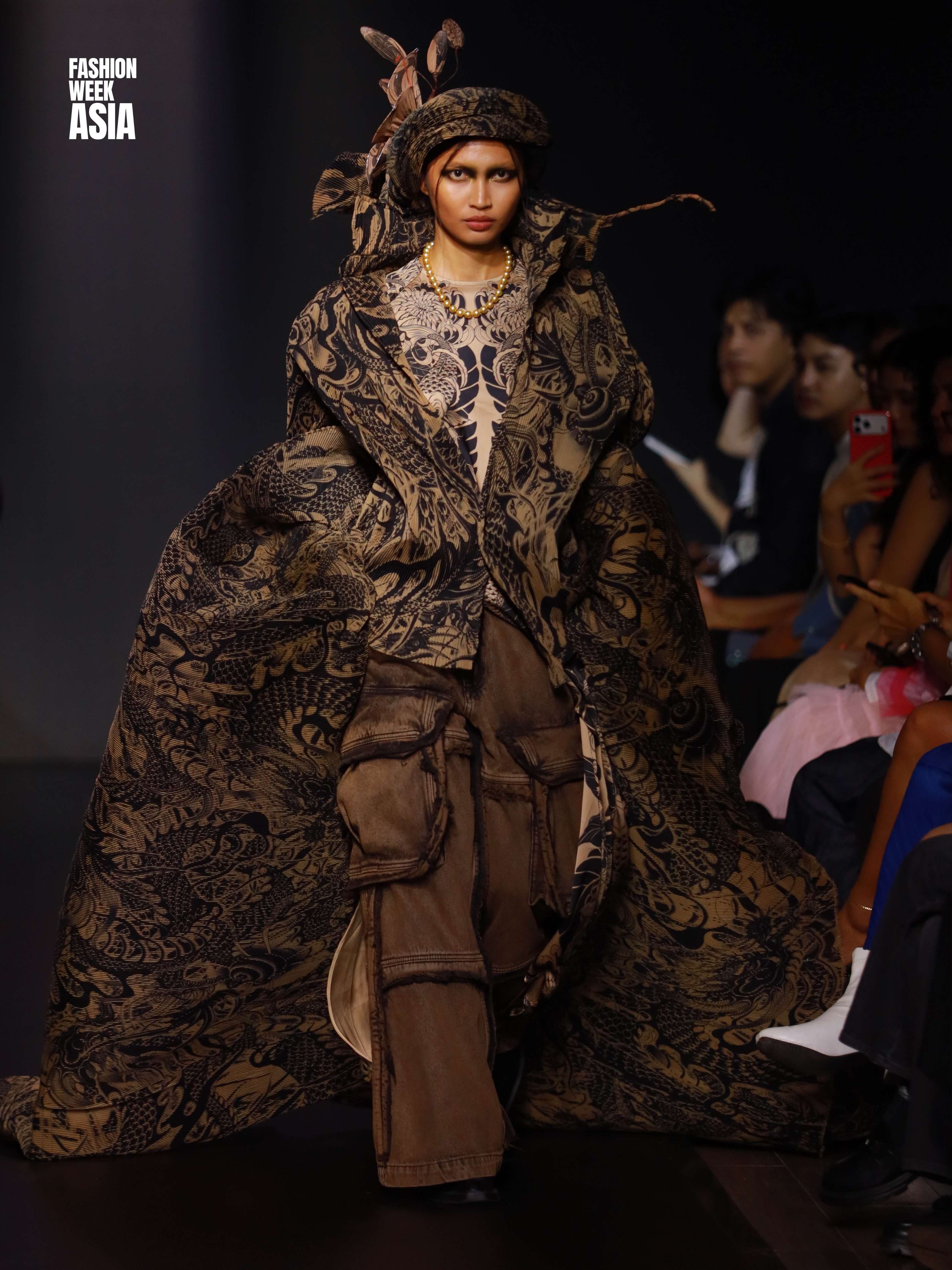
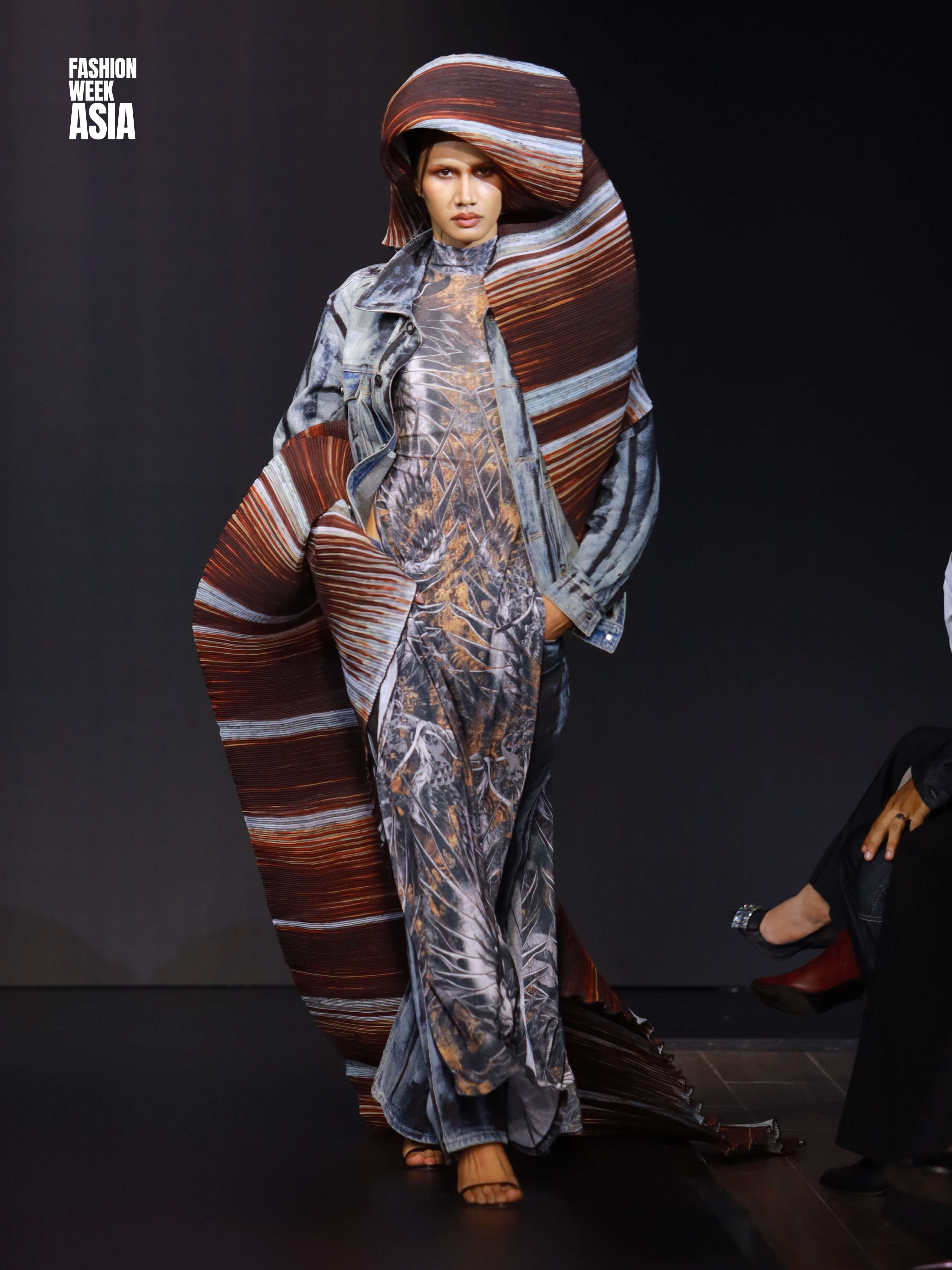
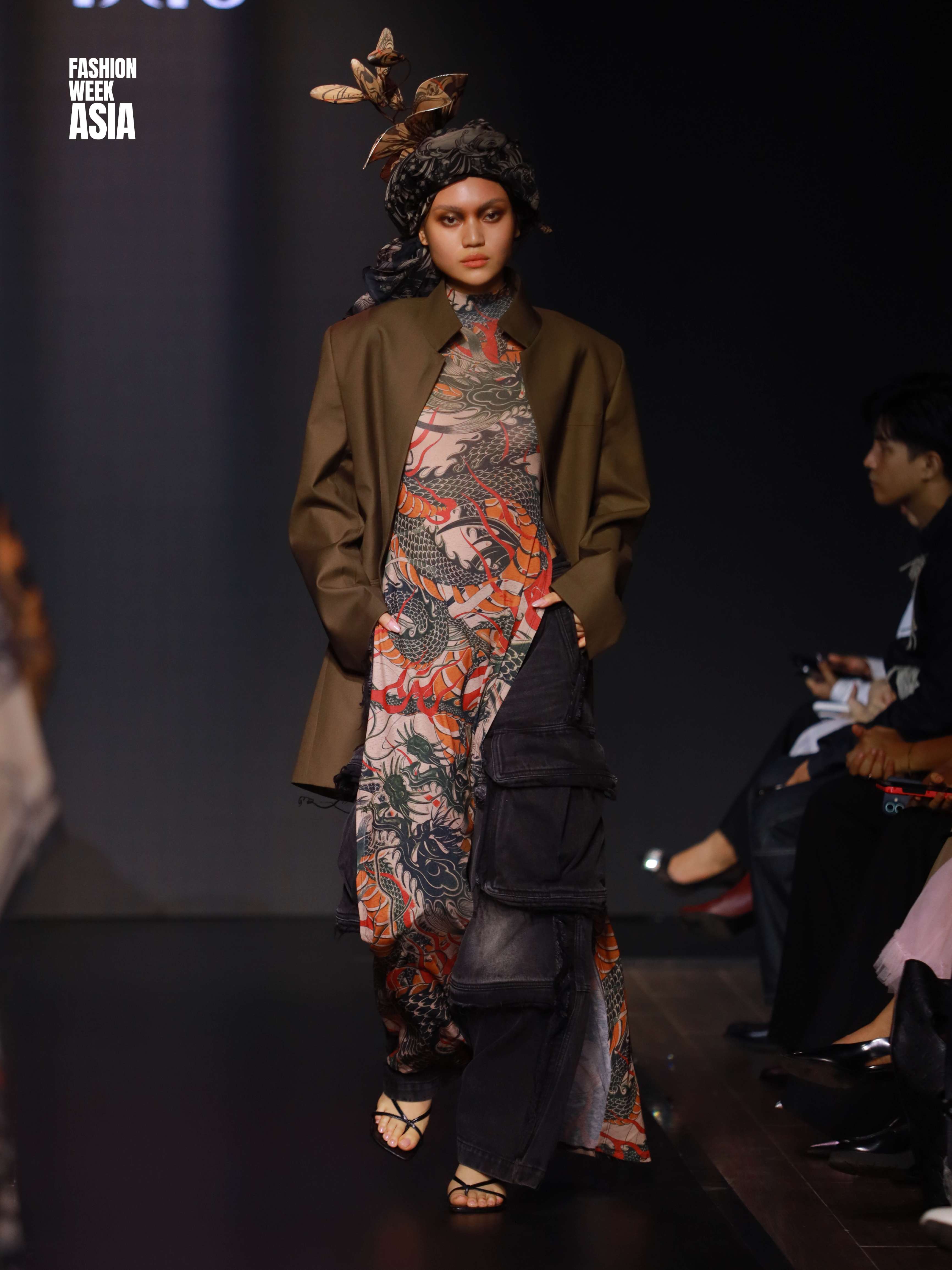
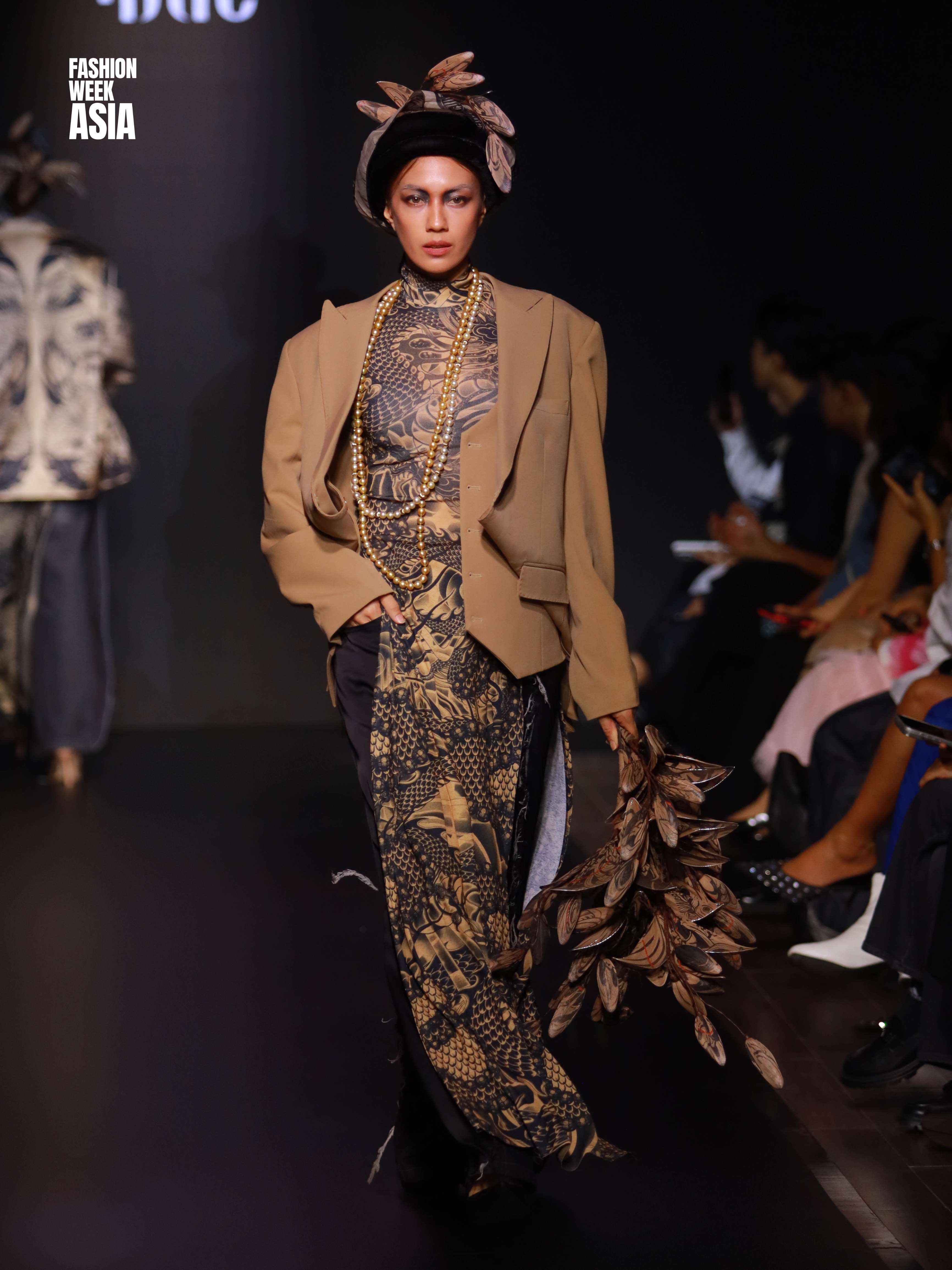
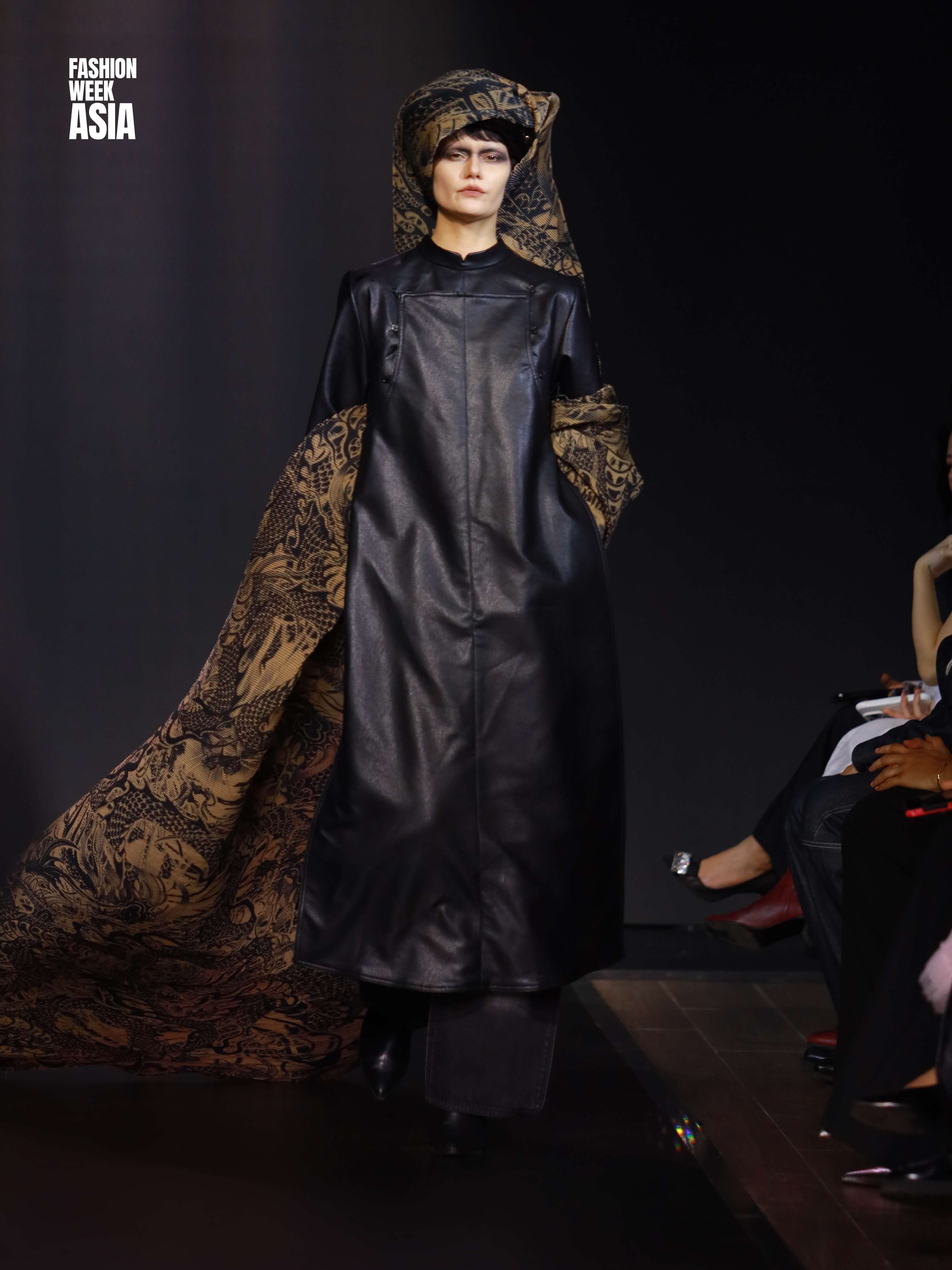
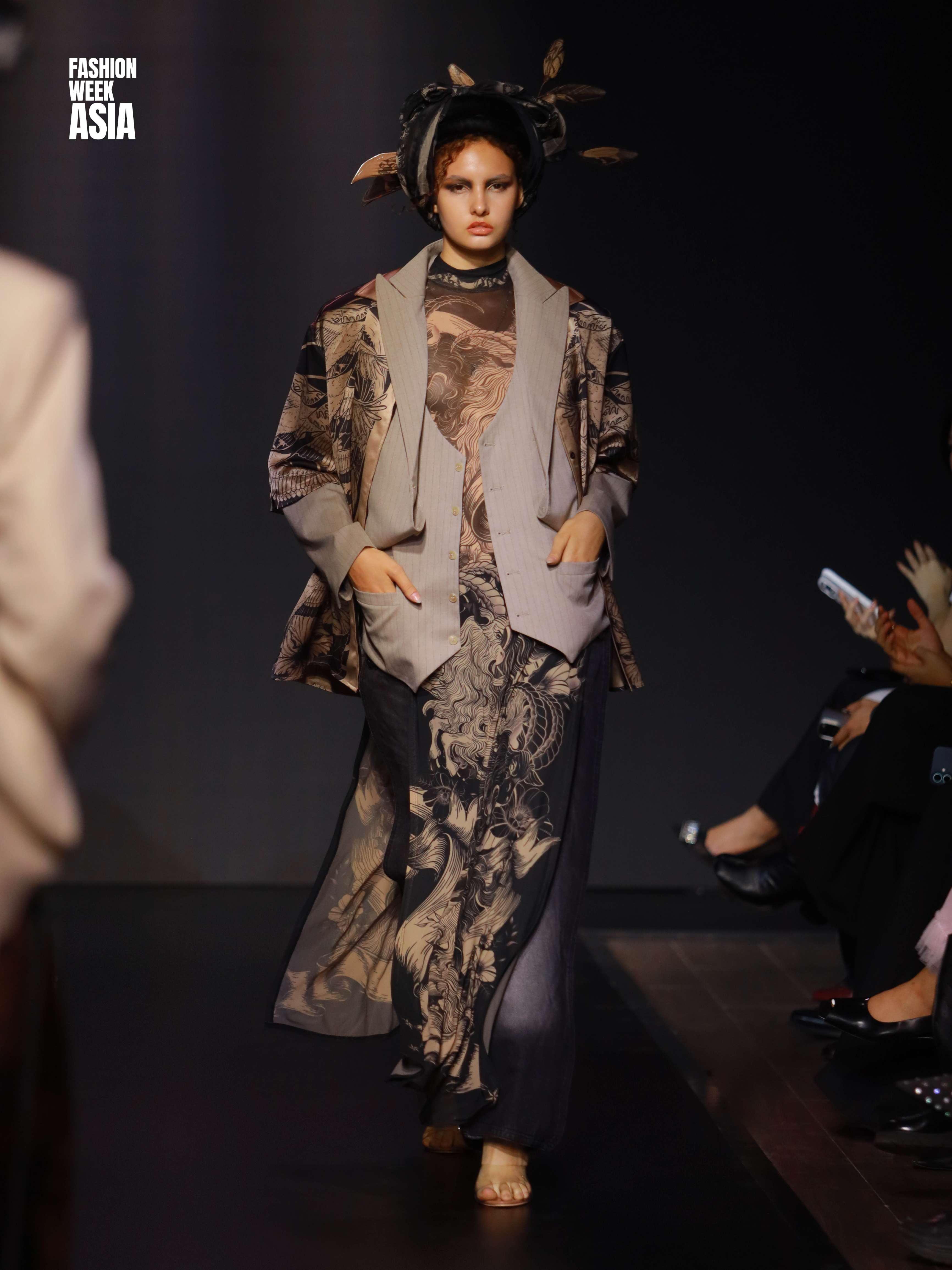
I am Vietnamese, and that identity is something I deeply value. At the same time, I do not want my work to be placed in a category simply because of where I come from, whether that is “Asian fashion” or “Vietnamese fashion”. My aspiration is for my designs to be appreciated as fashion in their own right, with a distinct creative voice that can stand alongside and engage with any design language around the world.
DUC STUDIO embraces unconventional ideas, reimagined techniques, and a down-to-earth perspective. How do you maintain the uniqueness of your designs?
Unconventionality, in my view, should be a natural outcome of the creative process rather than its primary objective. If a designer focuses too much on being different, the work can become unusual without necessarily having a clear idea or purpose behind it. I prefer to let curiosity guide my process. A question, a small observation, or an everyday detail can become the starting point for a design.
Furthermore, I am interested in how people dress, move, and work; how a shirt gradually changes form through years of use; and how dress codes express the values and expectations of a society. These familiar details may seem unremarkable, but they offer layers of meaning that I can continually explore and reinterpret.
I do not think being creative means having to turn away from the commercial side of fashion. For me, the two can go hand in hand. A design can be bold and forward-thinking, but it still has to work for the person wearing it. I want people to feel comfortable and confident in what they wear, and to genuinely enjoy wearing it. That takes more than an interesting idea; it requires research and a clear understanding of the wearer.
At DUC STUDIO, we try to maintain a balance between experimental designs that reflect who we are and more accessible pieces that fit into everyday life. Of course, finding that balance is not always easy.
Some experiments have not worked out, and certain business decisions have made me reconsider my approach. However, adjusting our approach does not mean abandoning our creative vision. It means finding better ways to bring it to life.
Creating distinctive fashion is one challenge; building a brand that can preserve that distinction in the long run is another. For me, DUC STUDIO’s ambition is not simply to expand, but to continue growing in a sustainable and meaningful way. I do not define that growth by the number of markets we enter, stores we open, or media features we receive. Those things may come along the way, but they are not what I consider the ultimate measure of success. What I care about more is whether, years from now, DUC STUDIO can still speak with its own distinct voice and stay true to the creative identity we have built.
A Creative Journey Without the Rush to Become “Someone”
Looking back, what moments, lessons, or encounters during your time at HSU helped shape the way you think, question, and translate observations into design?
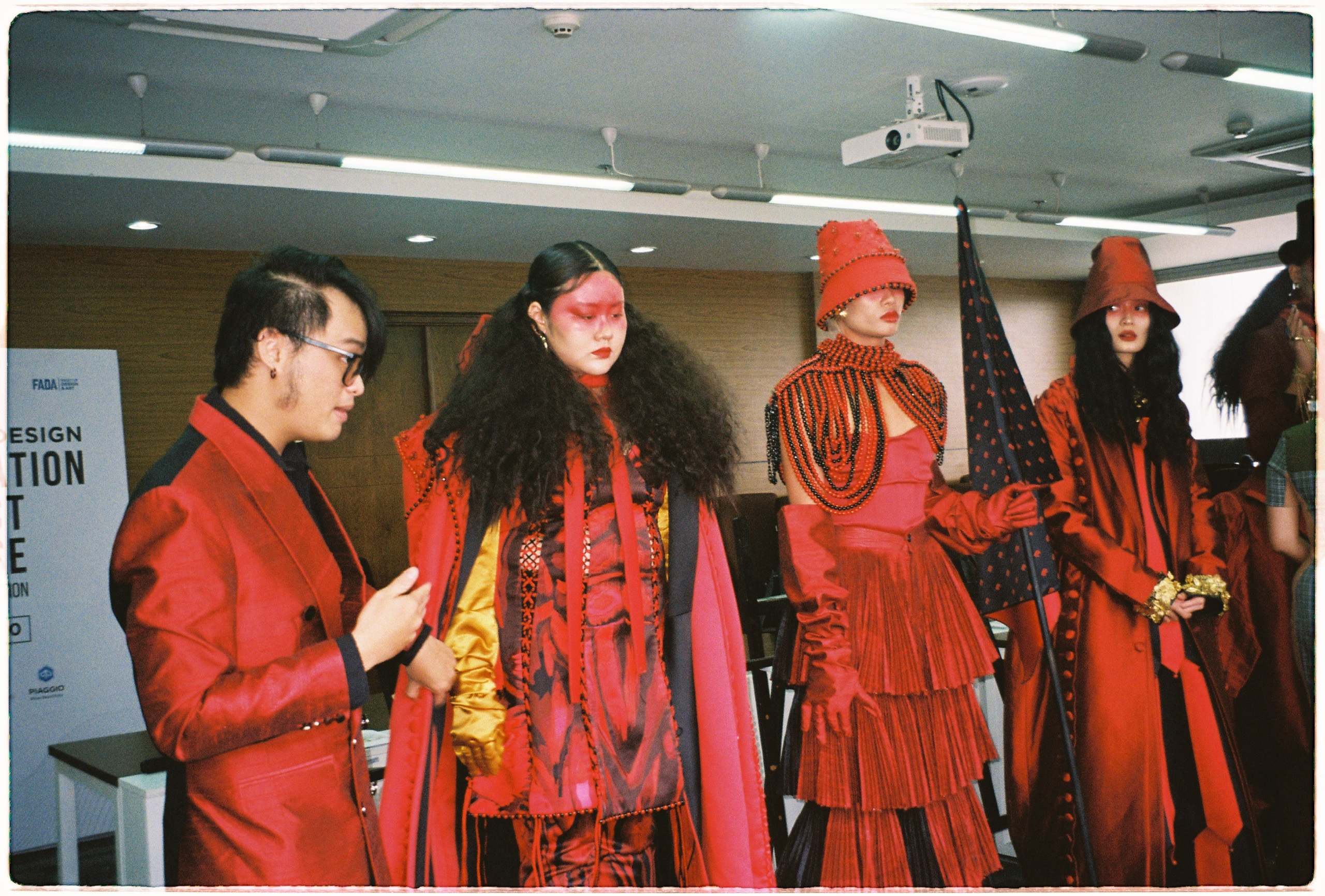
What I value most about my time at HSU goes beyond the professional knowledge I gained. It was also where I began learning to think more critically and intentionally as a designer.
As students, we tended to focus on the visual outcome: whether a design was beautiful, striking, or impressive. Yet professional experience has taught me that a compelling design must also have a clear purpose and a point of view. Every creative decision should mean something. Why this material? Why this silhouette or style? What idea am I trying to express?
For me, learning to ask these questions has been an important part of becoming a designer.
Moreover, HSU provided the academic and creative foundation that encouraged me to ask these questions. Beyond design knowledge, my studies helped me recognize the role of research and technical development in translating creative concepts into practical products. Graduating as Valedictorian in 2020 was an important milestone, but I never considered it proof that I was ready for every challenge ahead.
Building a brand introduced me to many responsibilities beyond design itself, including production, team management, finance, customer relations, and navigating setbacks. Looking back, I think the ability to teach myself and the willingness to experiment were among the greatest gifts of my university years.
I am truly grateful to HSU for accompanying me during those early stages of my journey as a designer.
Having built DUC STUDIO and taken your designs to the international stage at FWA 2026, what lessons from your journey do you hope to pass on to young designers who dream of sharing Vietnamese creativity with the world?
Honestly, I am still learning myself, so I am not sure I have any profound advice to offer. However, if I could tell young designers one thing, it would be not to rush your journey or try to become someone you are not.
These days, we are surrounded by images of successful people, emerging trends, and seemingly extraordinary achievements. It is natural to feel that we need to have a signature style, become recognized, or accomplish something big before a certain age.
But everyone has their own pace. Take the time to observe everyday life, develop your skills, learn about fashion history, and try things that make you curious. Do not overlook the importance of understanding yourself along the way. I believe that is where a meaningful creative journey begins. Allow yourself to create imperfect things. Be open to changing your perspective, and never mistake failure for a sign that you do not belong in this profession. Every experience, including the ones that do not go as planned, can teach you something worth carrying forward.
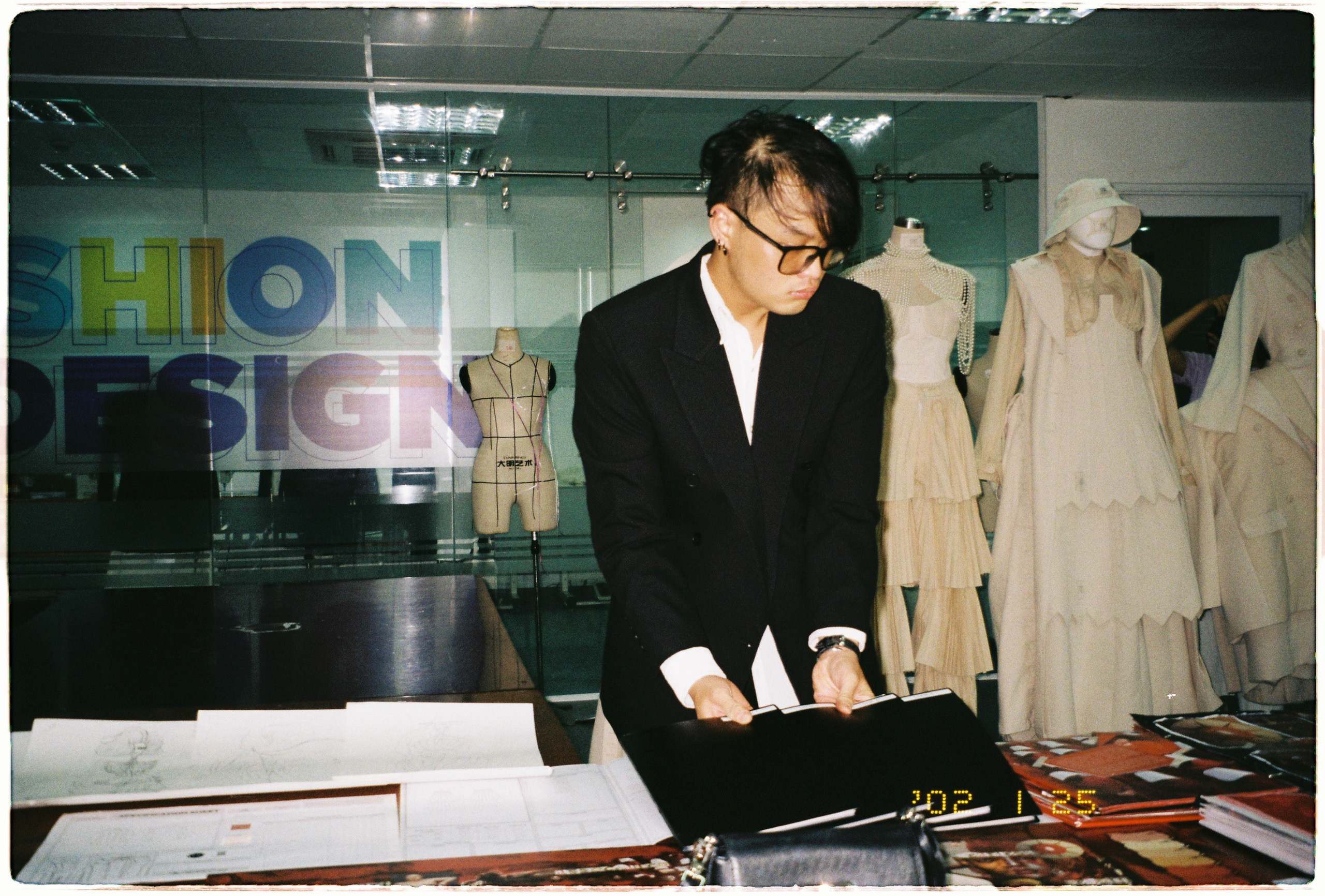
I believe bringing Vietnamese fashion to the world begins with a shift in mindset: we must first recognize that we have every right to take part in the global conversation. We do not need to depend on familiar cultural symbols to make our identity visible. It can be found just as meaningfully in our ways of thinking, observing, and interpreting the world. Identity also lies in how we think, observe, and perceive the world.
Finally, remember to find joy in creating fashion every day. If your happiness depends entirely on winning awards, delivering successful shows, or receiving recognition, the creative journey can become an endless pursuit of external validation. The ability to find fulfillment in the work itself is just as important as any achievement along the way.
Translated: Tai Do
Photos:
DUC STUDIO – SPRING/SUMMER 2027
“MORALITY”
Presented at Fashion Week Asia 2026
Manila, Philippines
VISUAL CREDITS
Main Runway Photography – @excelpanlaque
Left Detail Photography – @kimmontesphoto
Right Detail Photography – @andsbatan
Multimedia Artist – @htcnonato