

Aviation Economics Talent Development: Bridging Knowledge and Workplace Skills
The evolving role of airports in logistics, trade, tourism, infrastructure, and urban development is transforming workforce requirements across the aviation industry. This shift is creating new demands for aviation professionals, who need to understand business processes, work confidently with technology and data, and turn knowledge into solutions for real-world challenges.
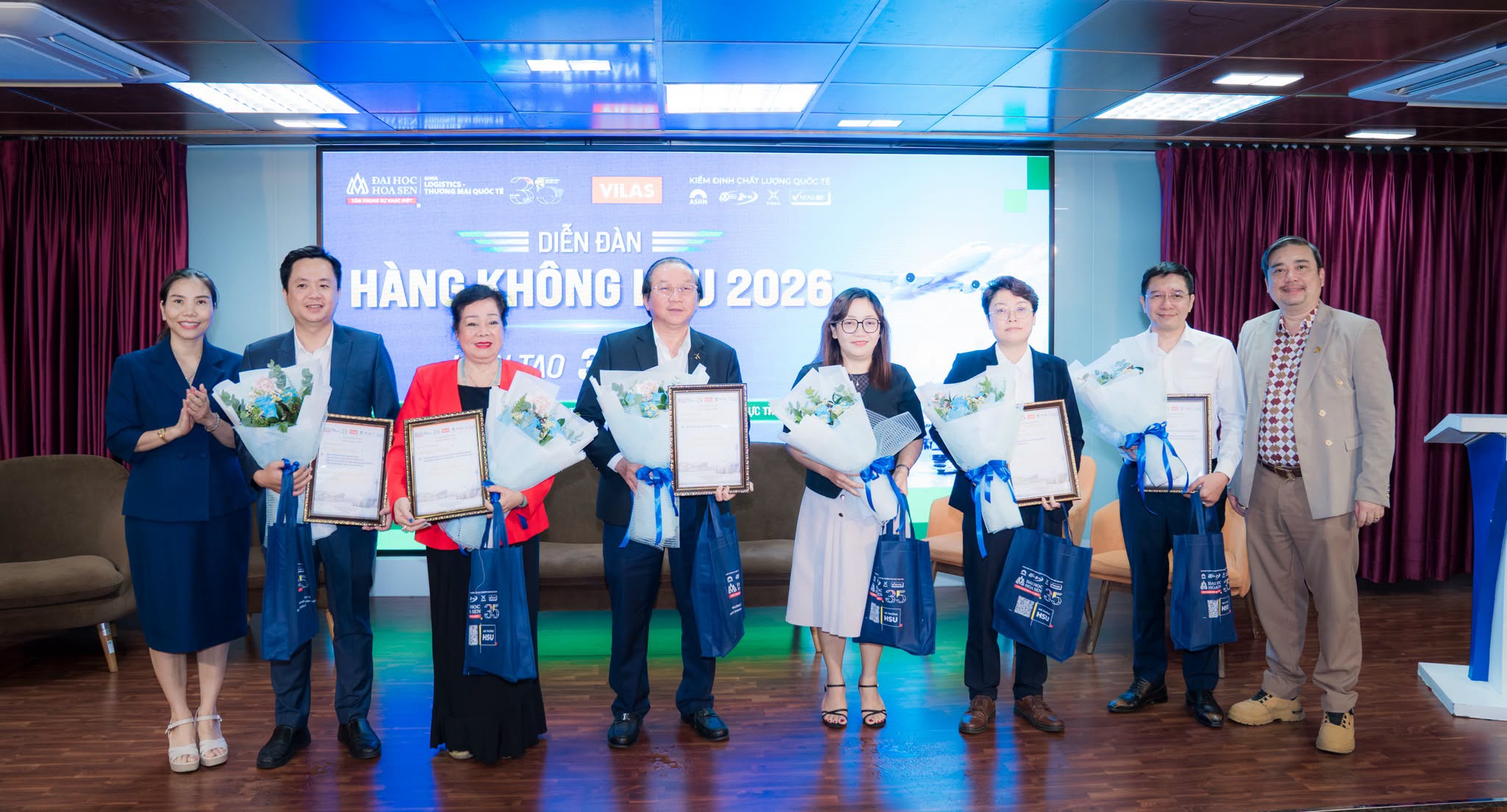
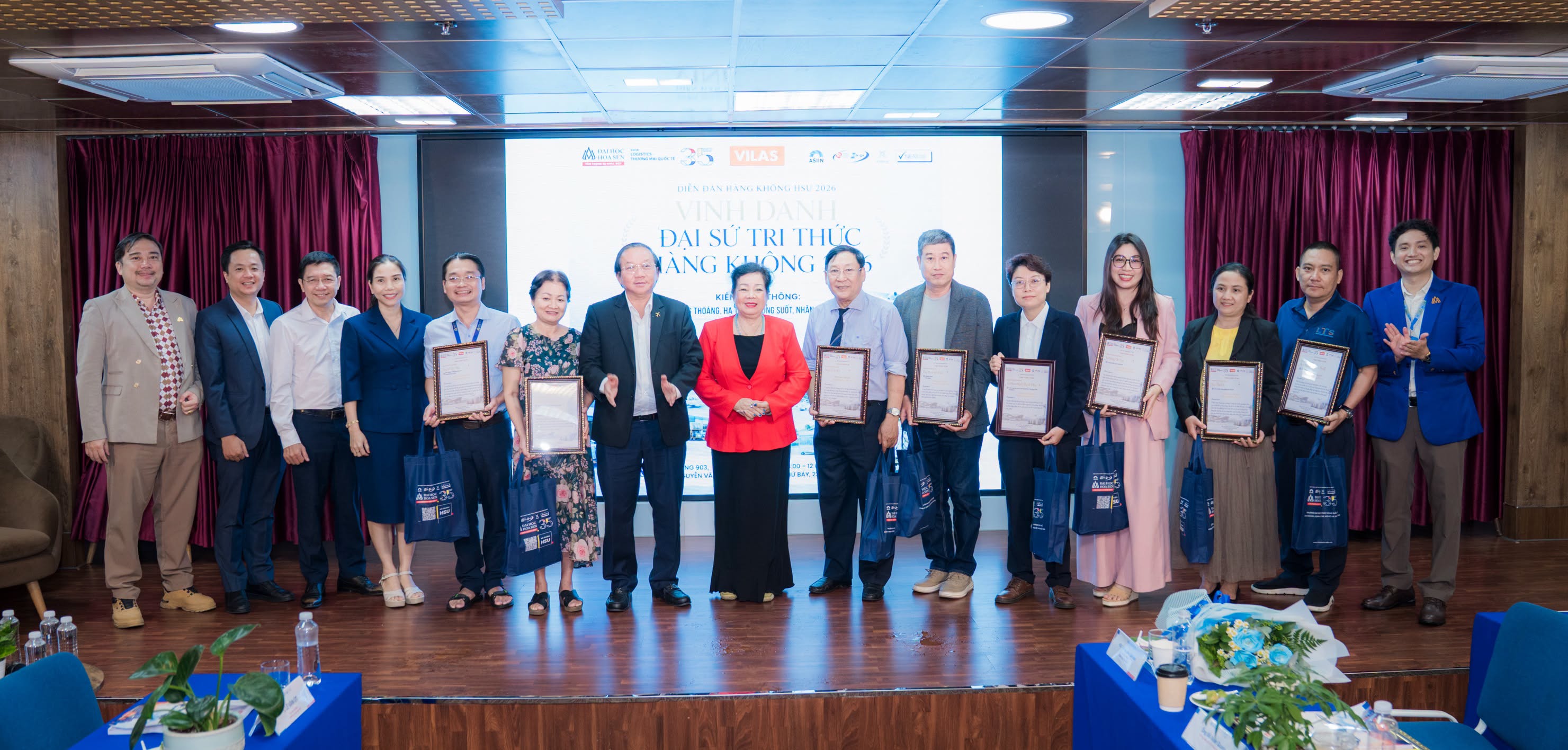
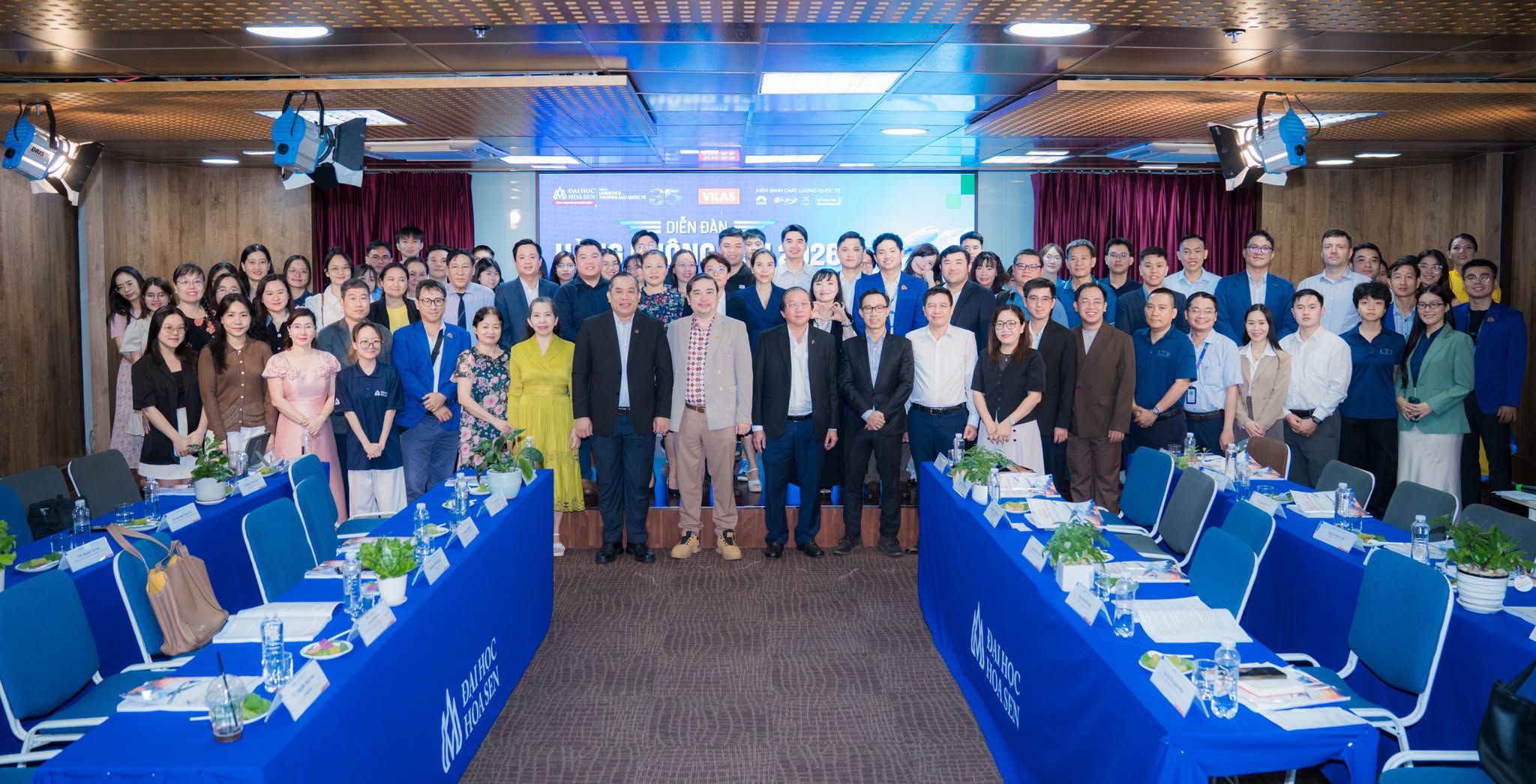
These changing workforce demands were among the key topics explored at HSU Aviation Forum 2026, organized by the Faculty of Logistics and International Trade at Hoa Sen University in collaboration with Vietnam Logistics and Aviation School (VILAS).
Developing Interdisciplinary Skills for the Future of Aviation
On August 22, 2026, the Faculty of Logistics and International Trade at Hoa Sen University (HSU), in collaboration with Vietnam Logistics and Aviation School (VILAS), convened industry and academic perspectives at HSU Aviation Forum 2026, themed “Building a ‘3S’ Future for Aviation: Streamlined Mechanisms – Seamless Infrastructure – Smart Workforce”.
At the forum, Assoc. Prof. Dr. Nguyen Tuan Duc, HSU Vice President, emphasized that preparing future aviation professionals requires an interdisciplinary approach that integrates aviation knowledge with digital technology and data capabilities.
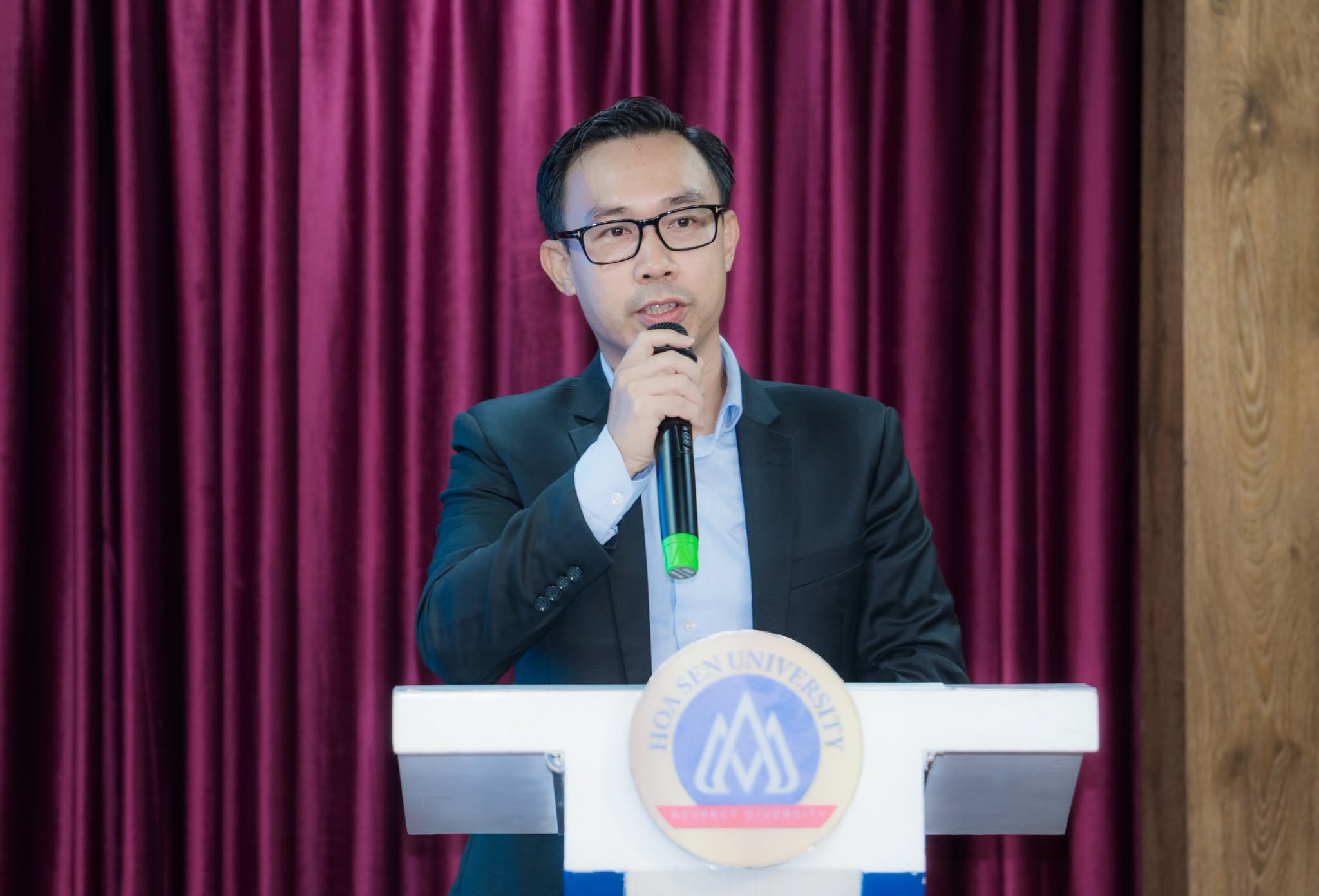
Furthermore, he noted that a smart workforce ought not to be defined merely by AI proficiency, but by the ability to understand business operations, apply technology, and translate data into effective management decisions. These demands required education to adopt a more market-oriented and competency-based approach, alongside stronger engagement with businesses and emerging technologies.
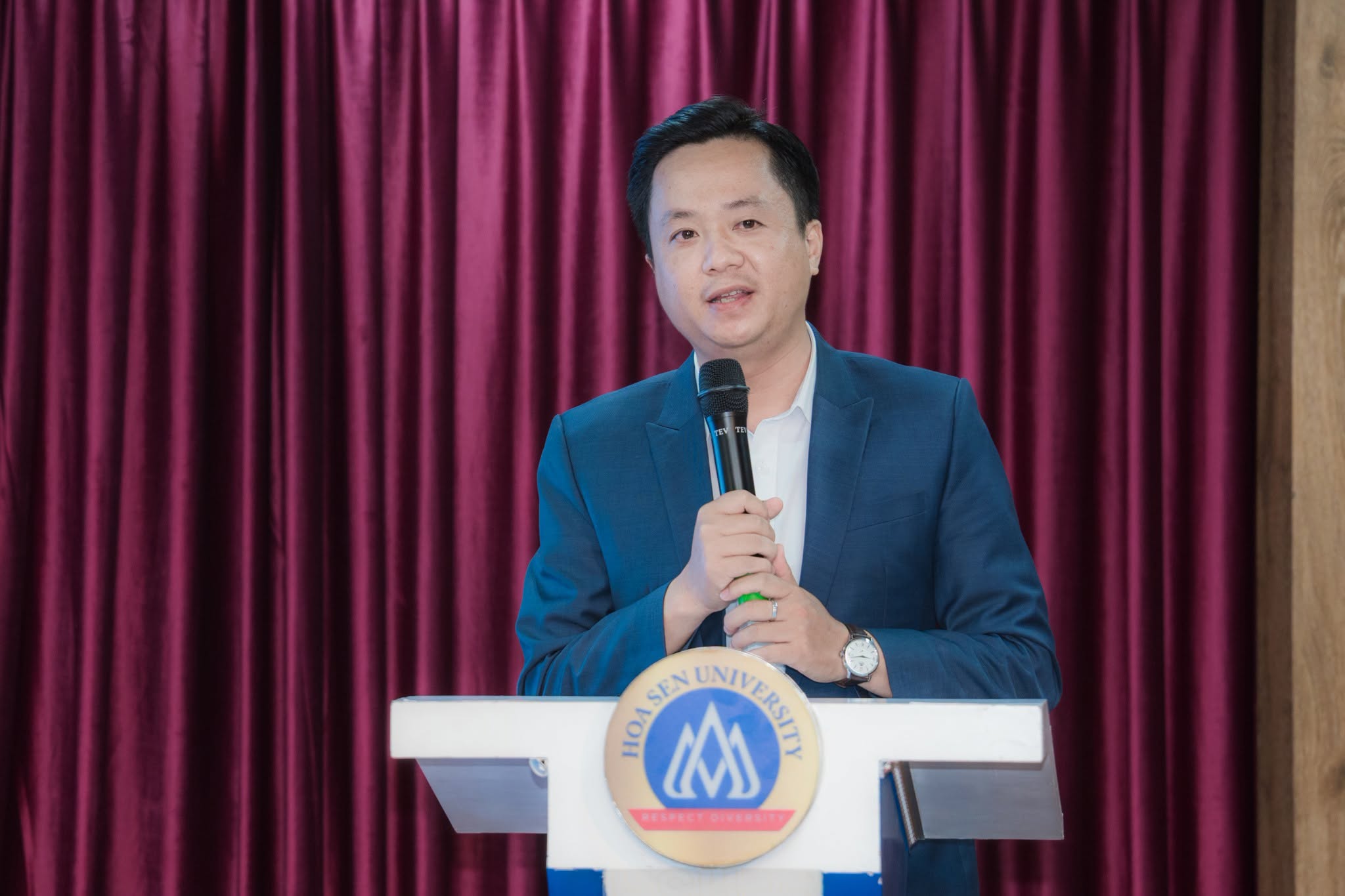
Furthermore, Assoc. Prof. Dr. Nguyen Tuan Duc emphasized the need to move beyond the traditional “University Training – Industry Recruitment – Government Regulation” model toward one in which “Government, Universities, and Businesses jointly co-create the workforce”. He stressed that collaboration needed to become an ongoing mechanism, with businesses taking a more active role in shaping curricula and assessing learners’ competencies so that training remained closely connected to workplace realities.
This industry-oriented approach is also reflected in HSU’s Smart Aviation Economy training programs, which equip learners to adapt and contribute to a rapidly evolving aviation ecosystem.
Airport Cities: Building Integrated Air Logistics Infrastructure
At HSU Aviation Forum 2026, Mr. Tran Chi Dzung, Chairman of the Board of Members and General Director of VILAS, Standing Vice Director of the Global Logistics Management Institute (GLI), and former General Secretary of the Vietnam Logistics Business Association (VLA), explored the airport city model as an integrated development approach connecting logistics, urban planning, and aviation.
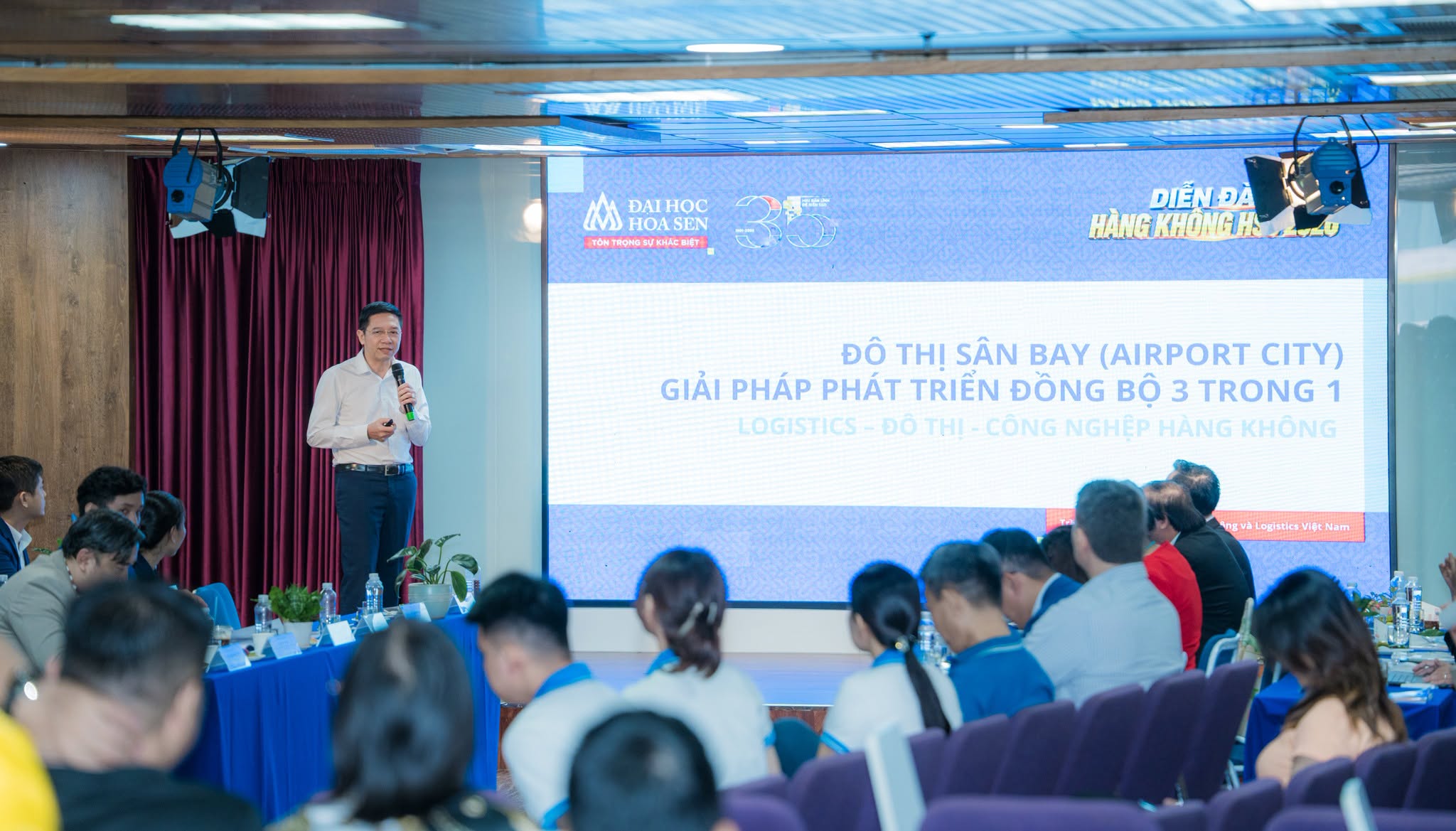
Drawing on examples ranging from Frankfurt Airport’s Cargo City to the broader Airport City model, he explored how airport ecosystems had evolved across logistics, transportation, multimodal connectivity, aviation services, technology zones, research parks, and innovation centers. However, he commented that fragmented data was driving up logistics costs, while digital transformation and new development models remained challenging to implement in practice.
Discussing the “green aviation” trend, Mr. Tran Chi Dzung emphasized that “green aviation dictates the rules of the game – interconnected data determines execution capabilities”. He pointed out that the key challenge was integrating, applying, and connecting data across stakeholders, while data security concerns remained a major barrier to sharing.
“Proactiveness” in Aviation Talent Development in the 4.0 Era
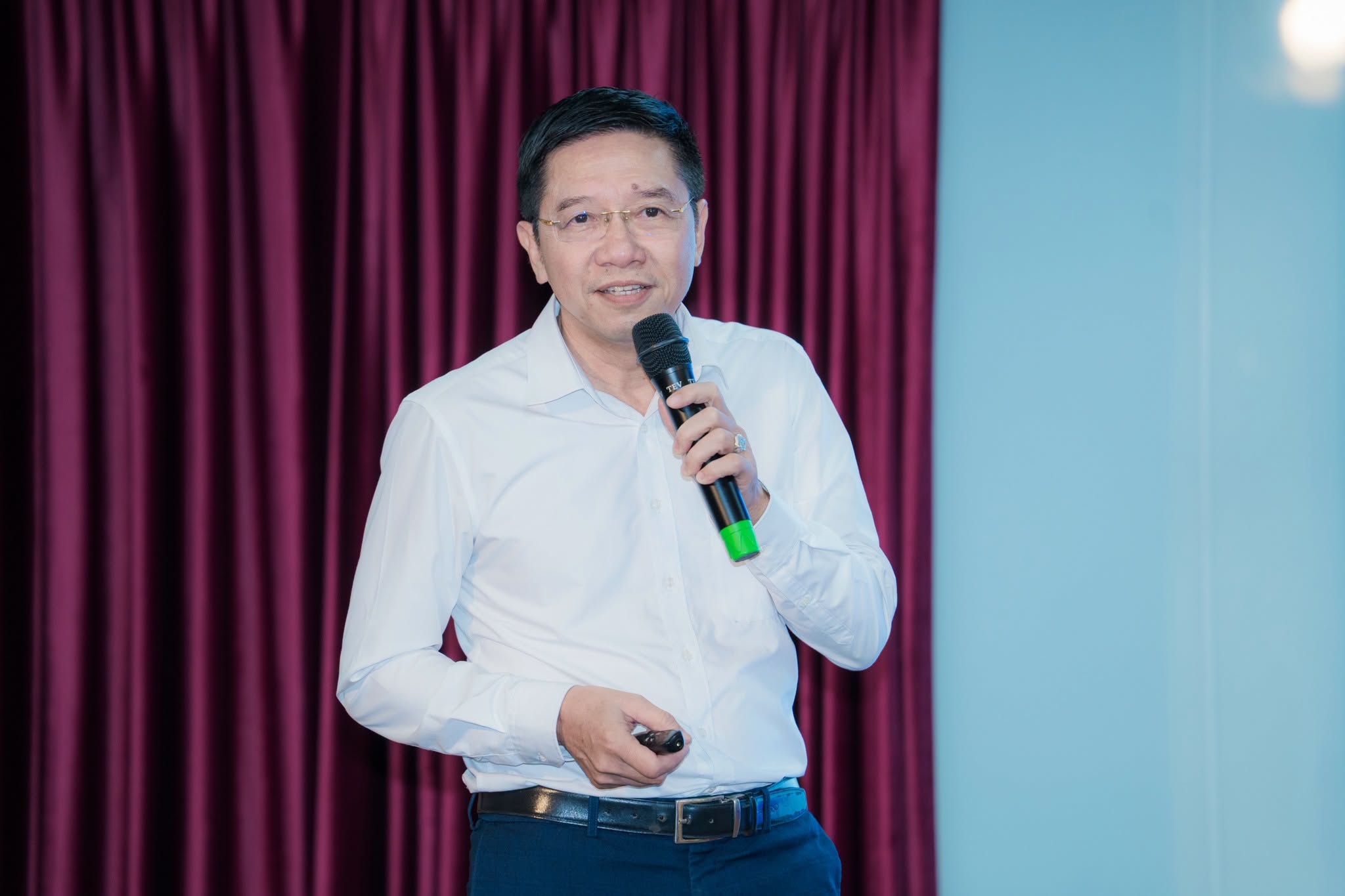
At HSU Aviation Forum 2026, Ms. Pham Minh Thanh Truc, MA, Specialist in Specialized Cargo Transportation Training at JK Aviation in Melbourne, Australia, posed a thought-provoking question: “Are we preparing people for today’s aviation industry, or for the industry of tomorrow?”
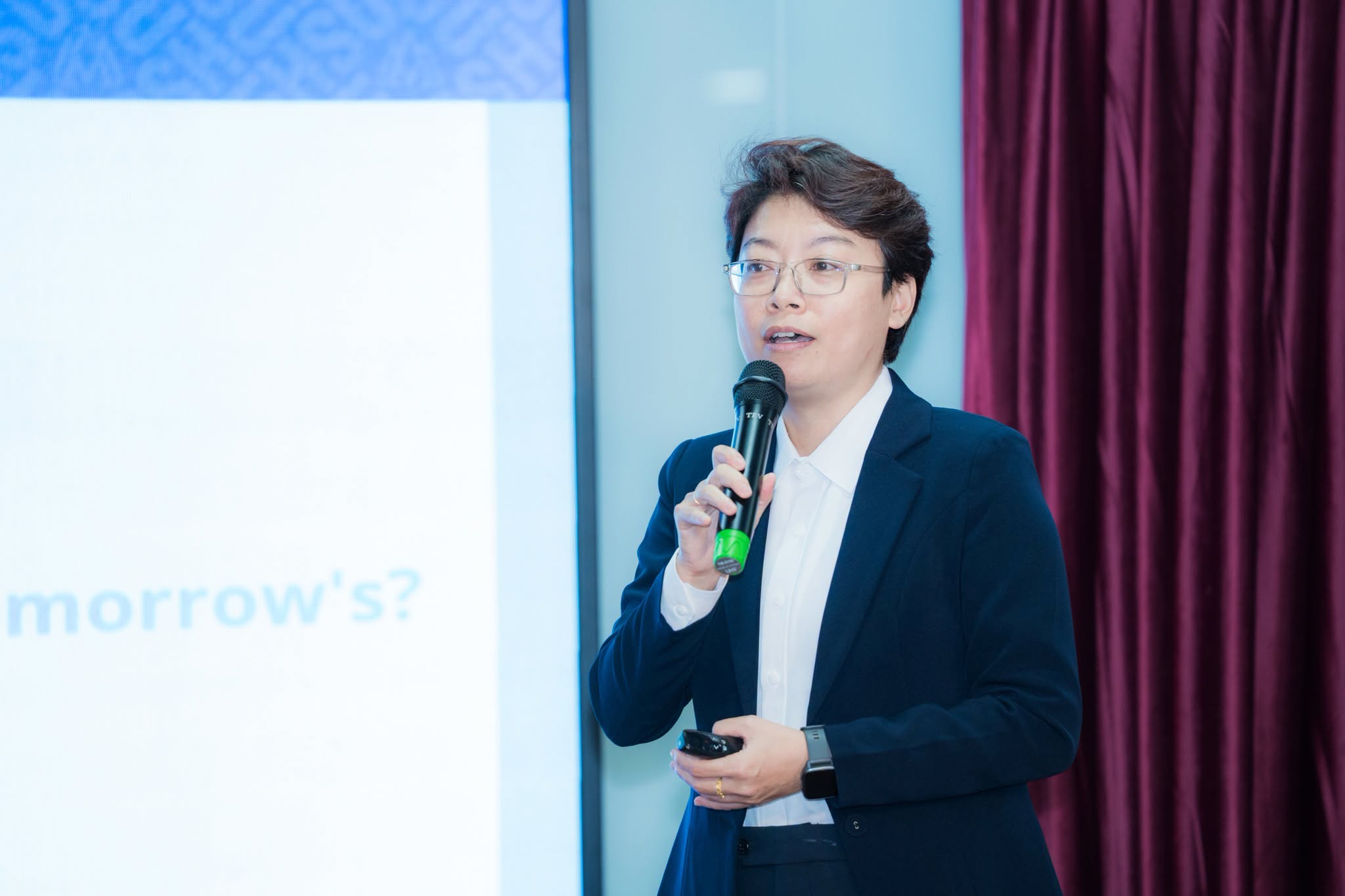
As technology became increasingly embedded in aviation operations, she emphasized that the industry was changing not only the nature of jobs, but also its technologies, processes, and skill requirements. Human resource development therefore needed to move from a job-oriented mindset to a skills-oriented one, built around three approaches: anticipating, adapting, and learning. This involved anticipating change and identifying future skills, adapting proactively to new demands, and learning ahead of time to build the capacity to perform emerging roles accurately, consistently, and in line with workplace realities.
From the perspective of Australian VET, the speaker highlighted the importance of a strong connection between industry, education, and learners: industry identified emerging skill needs, education transformed them into relevant training and practical opportunities, and learners took the initiative to develop competencies for both today and tomorrow. Additionally, he noted that because people were at the center of change, the question was not simply how aviation would change, but whether we were adequately preparing our workforce for what was to come.

Digital Transformation: Reshaping Aviation and Logistics
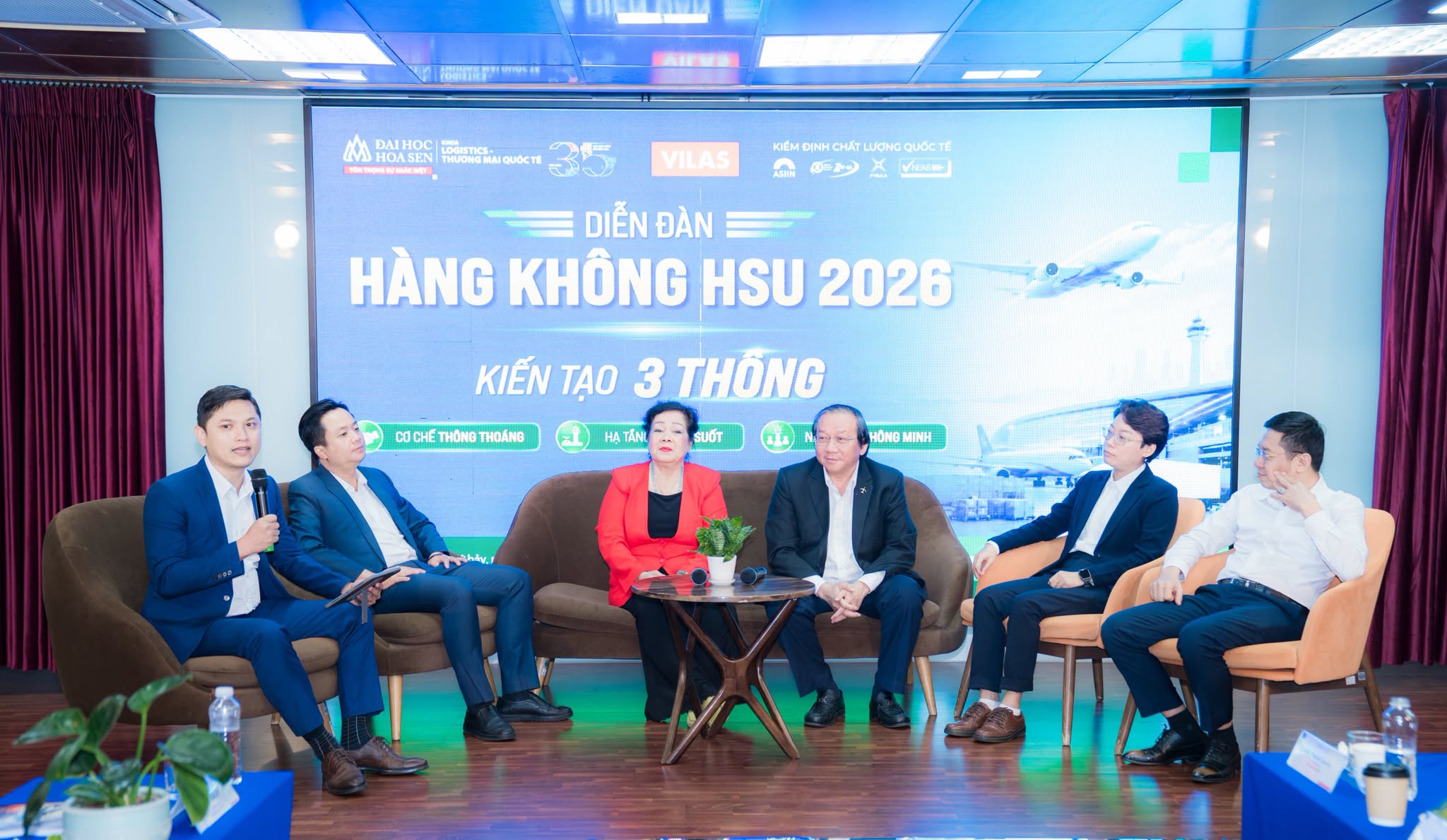
Bringing together speakers, business representatives, experts, lecturers, and learners, the panel discussion examined the three pillars of “Mechanisms – Infrastructure – Human Resources” and explored how they could come together to drive greater competitiveness across the aviation industry.
Bringing together diverse perspectives from aviation, logistics, business, and education, the panel discussion featured leading industry professionals and HSU representatives, including: Ms. Luong Thi Xuan, General Director of Vietnam Aviation Exhibiton Joint Stock Company (VIAE); Mr. Do Xuan Quang, MA, Deputy General Director of Vietjet Aviation Joint Stock Company; Mr. Tran Chi Dzung, Chairman of the Board of Members and General Director of VILAS; Mr. Nguyen Tat Tien, MA, Export Supervisor & Internal Auditor, Tan Son Nhat Cargo Services Joint Stock Company (TCS); Ms. Pham Minh Thanh Truc, MA, Specialist in Specialized Cargo Transportation Training, JK Aviation, Melbourne, Australia; and Mr. Tran Phong, Ma, HSU Director of Logistics & Supply Chain Management.
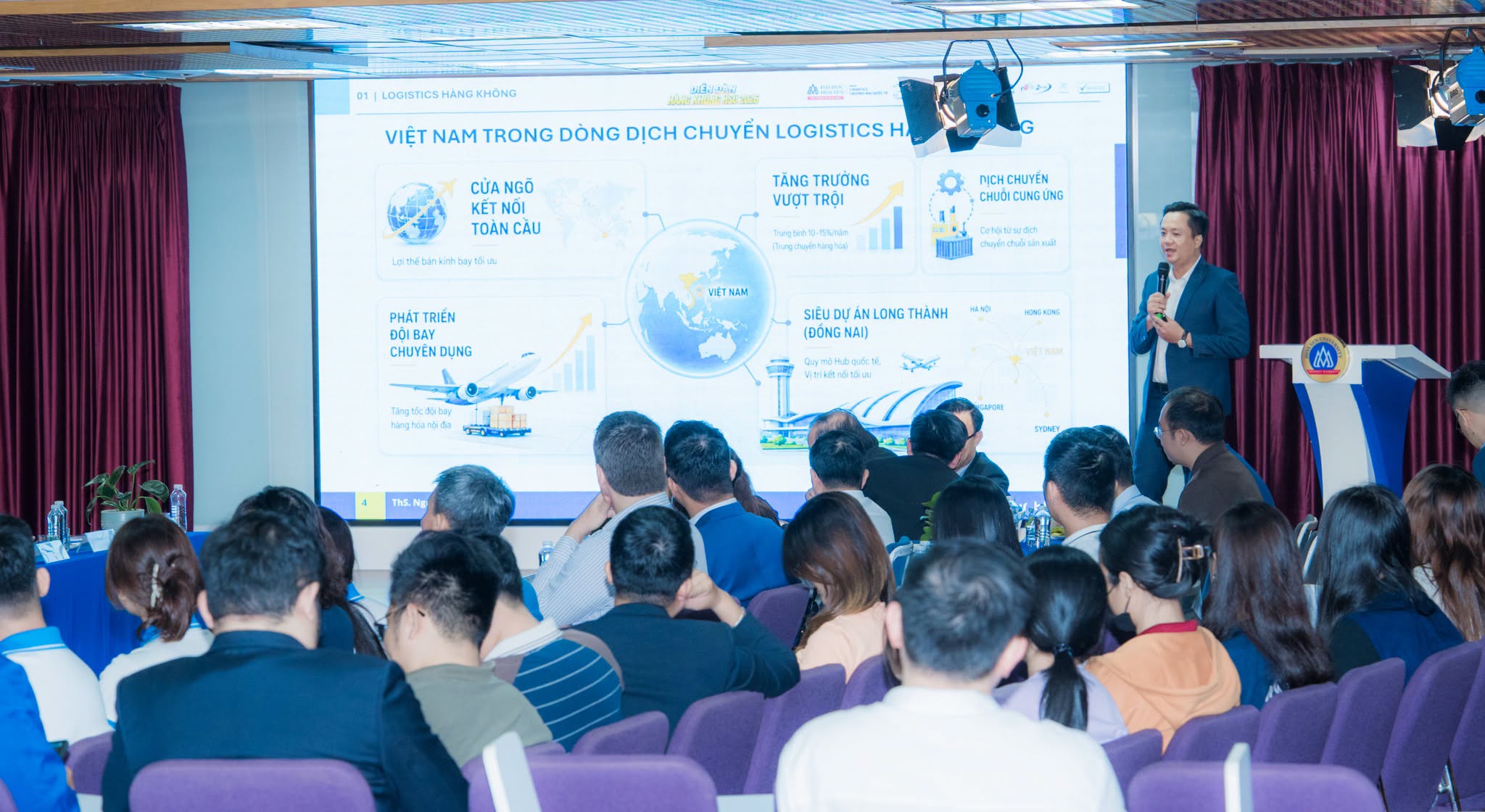
Drawing on his practical experience, Mr. Nguyen Tat Tien, MA, examined the opportunities and bottlenecks emerging in Viet Nam’s aviation industry as production expanded rapidly and global supply chains shifted. He highlighted how platforms such as the National Single Window (NSW), VNACCS/VCIS, and VASSCM were helping digitalize declaration, classification, monitoring, and customs clearance processes. When every minute counted in air cargo operations, he noted that delays could quickly translate into higher storage costs and missed flights.
He pointed to several technology-driven solutions, including digital customs, AI and Big Data for traffic flow management, intelligent positioning, pre-landing customs clearance, and API connectivity at Long Thanh Airport.
Furthermore, experiences from South Korea, the UAE, and Singapore provided valuable examples of how data interoperability, automation, and closer coordination among customs authorities, warehouses, and businesses had improved the efficiency of import and export flows.
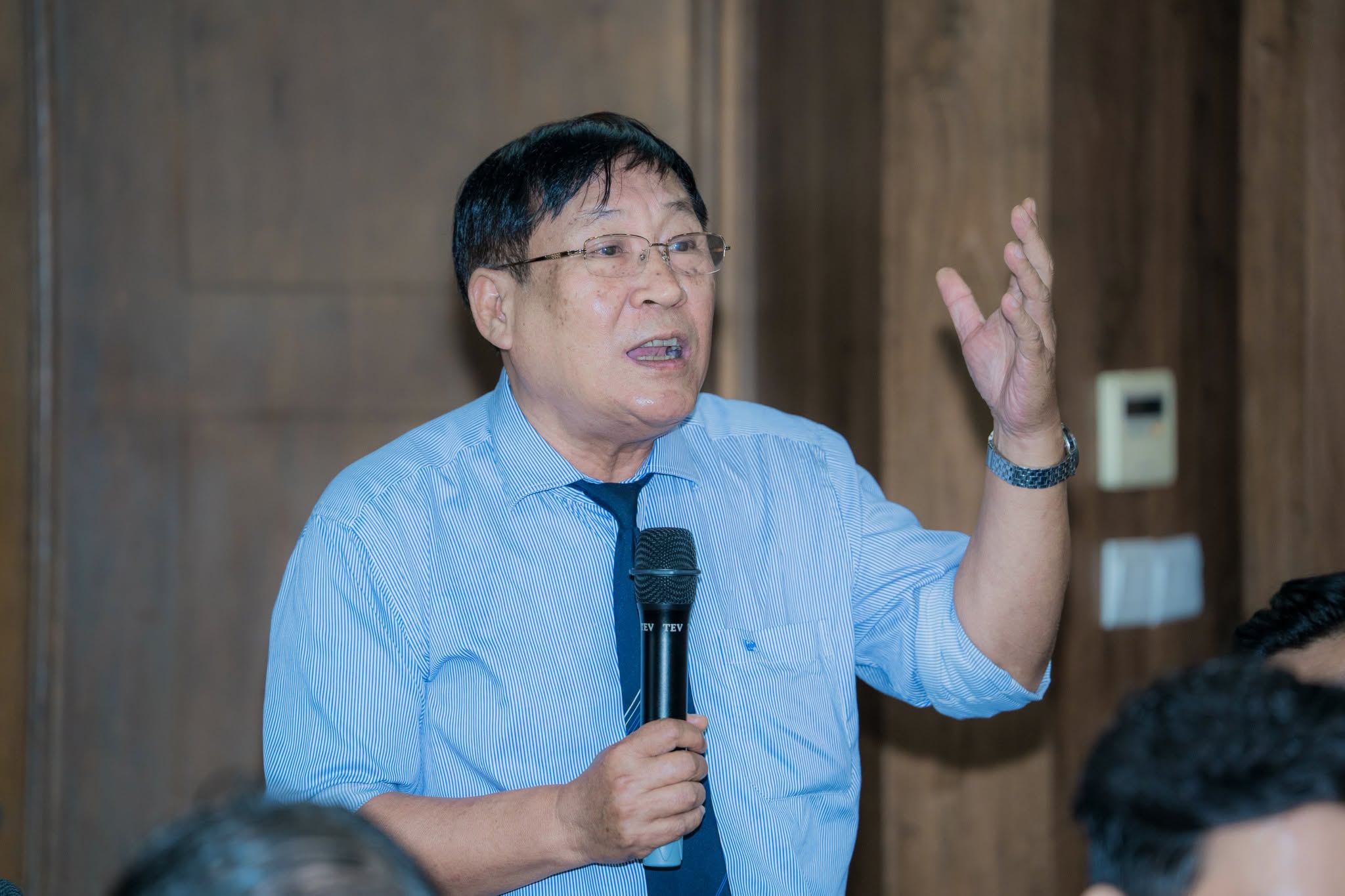
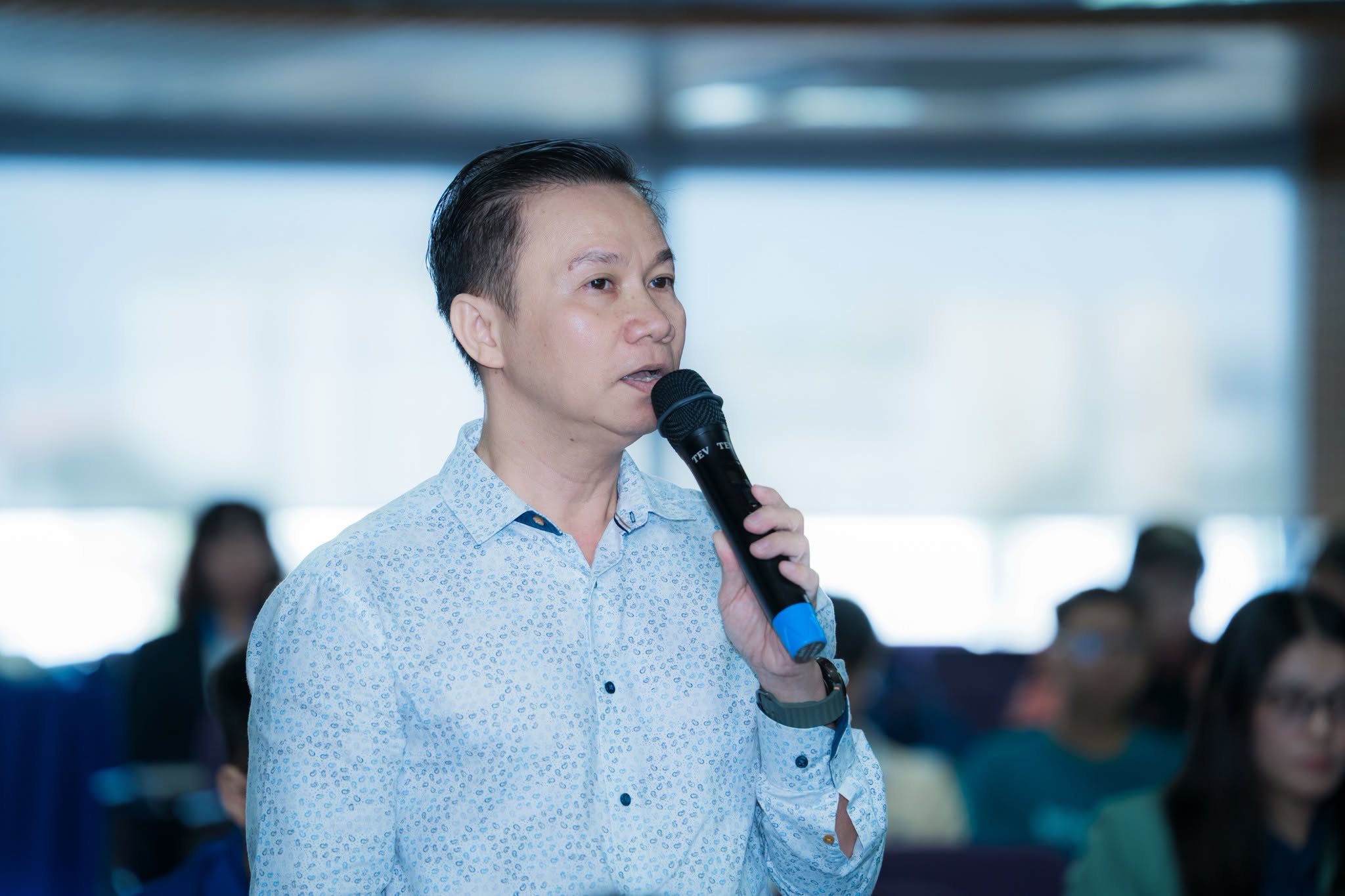
The discussion that followed further broadened the focus to proactive learners and the development of a more interconnected aviation knowledge ecosystem. The discussion also raised a fundamental question: Were there sufficiently reliable libraries and databases to enable learners and teachers to take the initiative in studying, conducting research, and developing their own perspectives? This shifted the conversation beyond simply building a platform to asking who would build it, which standards would guide it, and how data quality could be maintained.
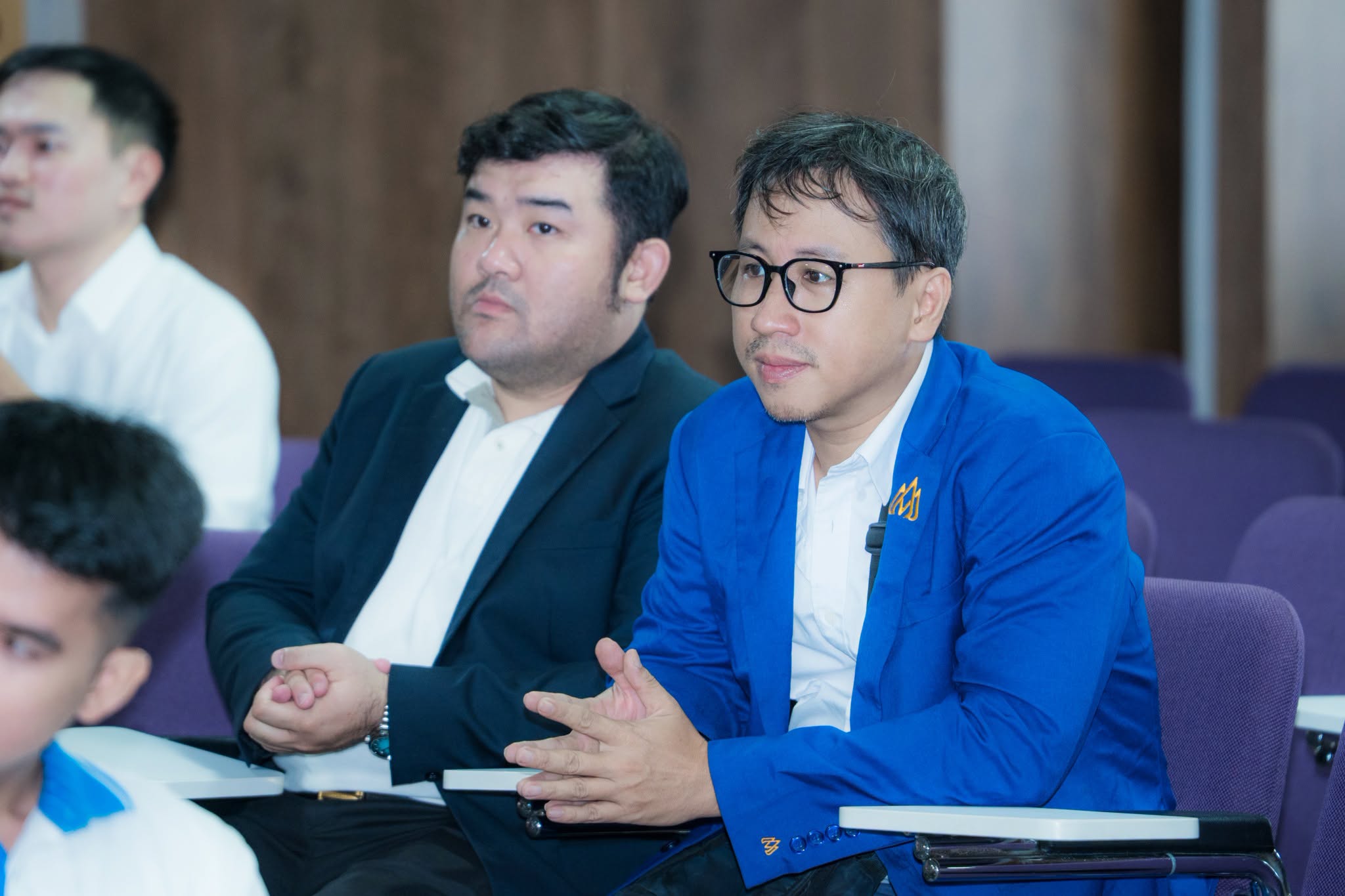
The conversation also underscored the importance of connecting industry, education, and learners. Learners were encouraged to actively seek and contribute knowledge, while stakeholders worked together to develop a shared knowledge base that could support learning, research, and industry practice. The proactive learning spirit highlighted in Ms. Pham Minh Thanh Truc’s presentation therefore extended beyond individual development to a collective effort to build knowledge for the future of aviation.
Aviation Economics: Connecting a Broader Ecosystem
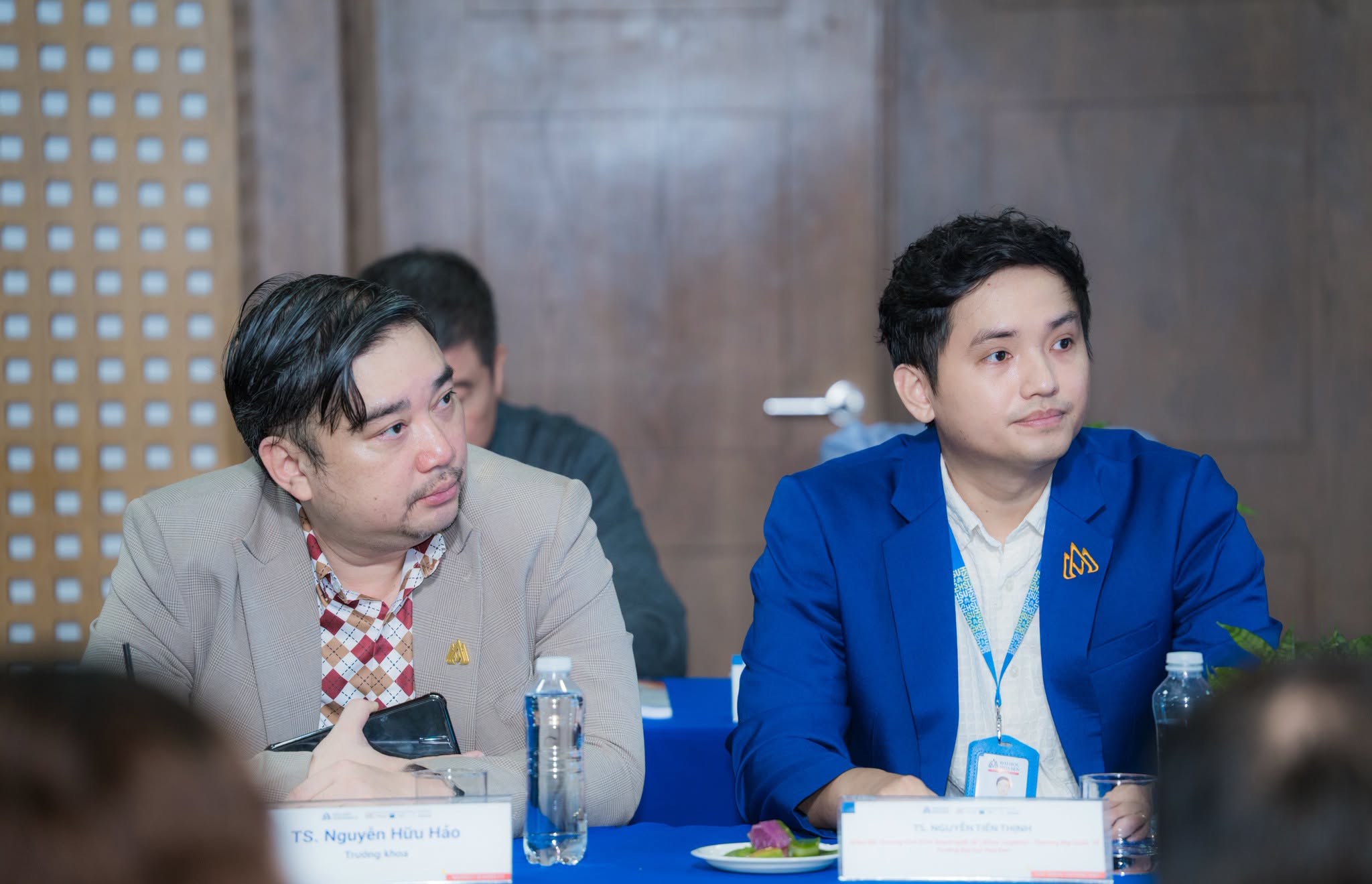
From an economic perspective, Dr. Nguyen Tien Thinh, HSU Director of the International Business Program, highlighted that aviation was more than an industry centered on flights; it was part of a broader economic ecosystem connecting infrastructure, logistics, tourism, trade, and other sectors.
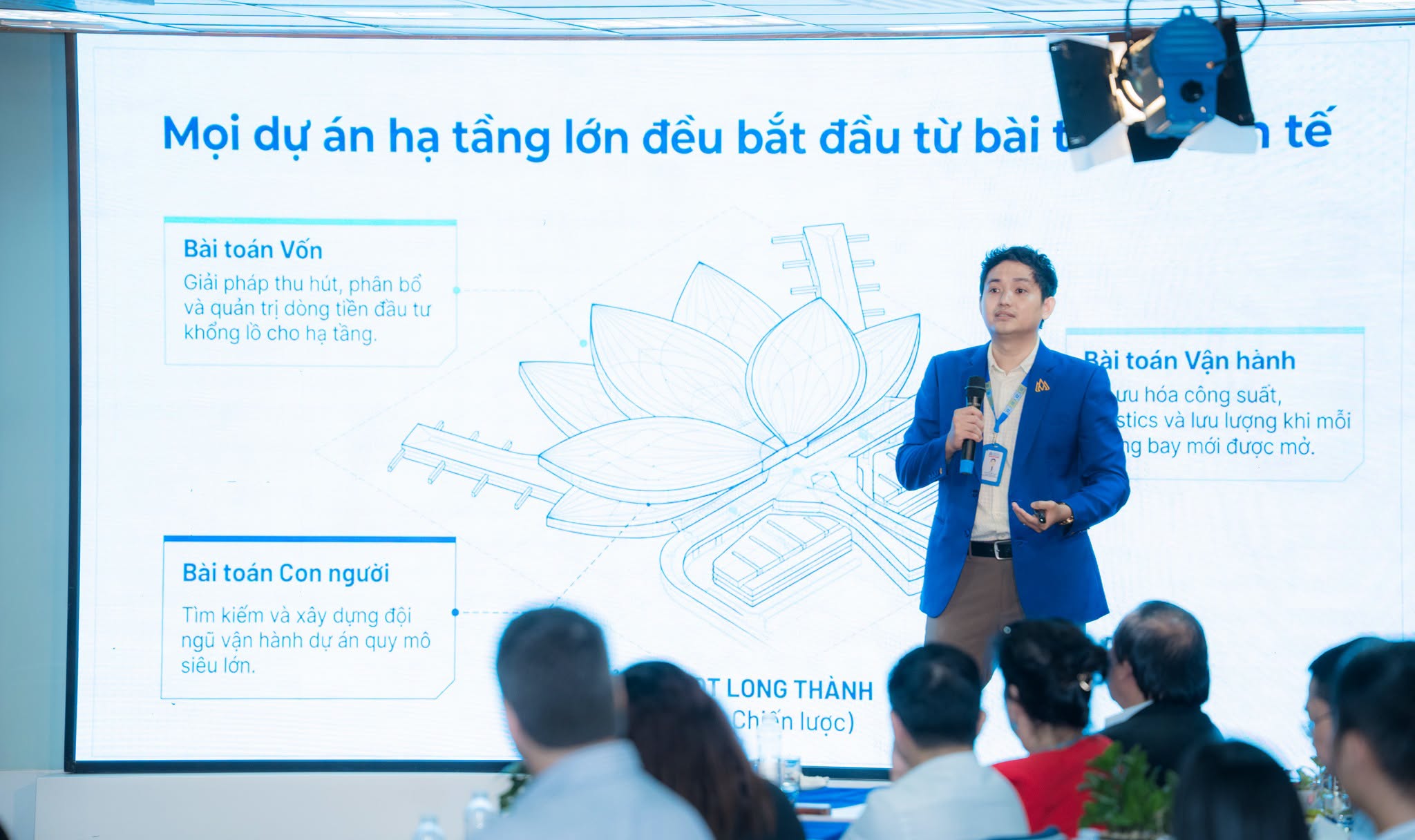
With airports increasingly taking on a broader role as drivers of regional growth and economic activity, he further emphasized that the workforce needed to evolve alongside them; every major infrastructure project brought challenges not only in securing funding, but also in developing the right talent and ensuring efficient operations. Then, he claimed that human resources had become a vital link in turning the aviation industry’s potential into sustainable growth.
During the forum, he identified four major technological forces and emerging trends that were reshaping the aviation industry: digital transformation and data, green aviation, multimodal logistics, and the low-altitude economy. These shifts required a new generation of aviation professionals who were not only proficient in core skills, but also capable of working with technology and data, applying economic and managerial thinking, and integrating into the global aviation ecosystem.

From Knowledge Acquisition to Practical Job Competencies
The forum discussions make clear that the future of aviation talent is closely connected to the industry’s broader transformation. As technology, data, infrastructure, and business models continue to evolve, learners need to move beyond acquiring knowledge to understanding systems, applying what they learn, and making informed decisions in real-world settings.
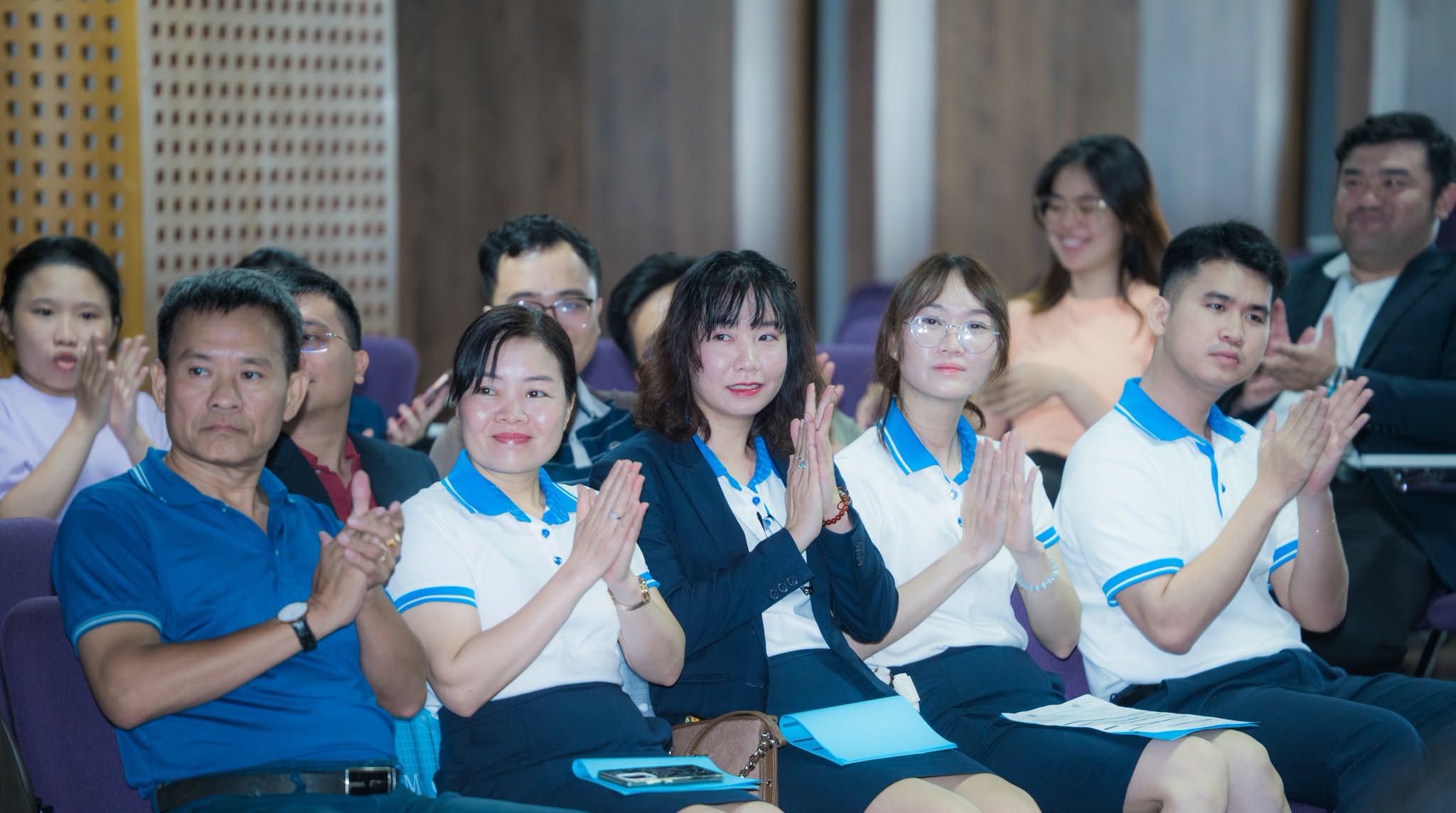
At HSU, this approach is reflected in the Smart Aviation Economy program, which bridges education and industry needs, strengthens business participation in training, and focuses on developing job-specific competencies. The goal goes beyond creating more training programs; it is about preparing a workforce capable of contributing to an aviation ecosystem entering a new development cycle. When government, educational institutions, and businesses jointly shape the training process, the gap between education and workplace realities can be narrowed. This also enables learners to build the adaptability needed to navigate emerging roles in aviation, preparing them not just for the jobs of today, but for those of the future.
Translated: Tai Do