

Hoa Sen University Expands Sports Education with Five New Programs Aligned with Emerging Trends
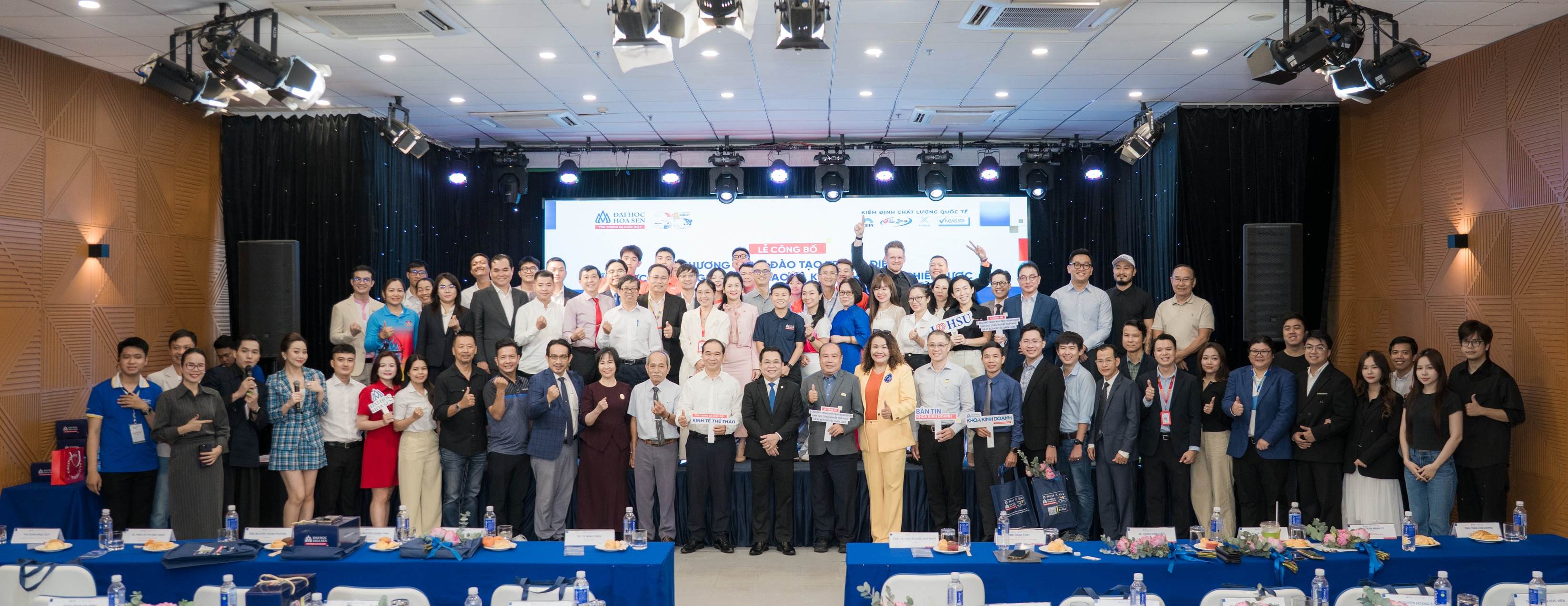
On April 10, 2026, Hoa Sen University officially unveiled five new training programs in the Sports Industry and formalized cooperation agreements with leading domestic and international partners. This significant milestone reflects the university’s strategic vision to embrace emerging trends in the sports economy and strengthen the development of high-quality human resources in Viet Nam.
Demand-Oriented Training Approach
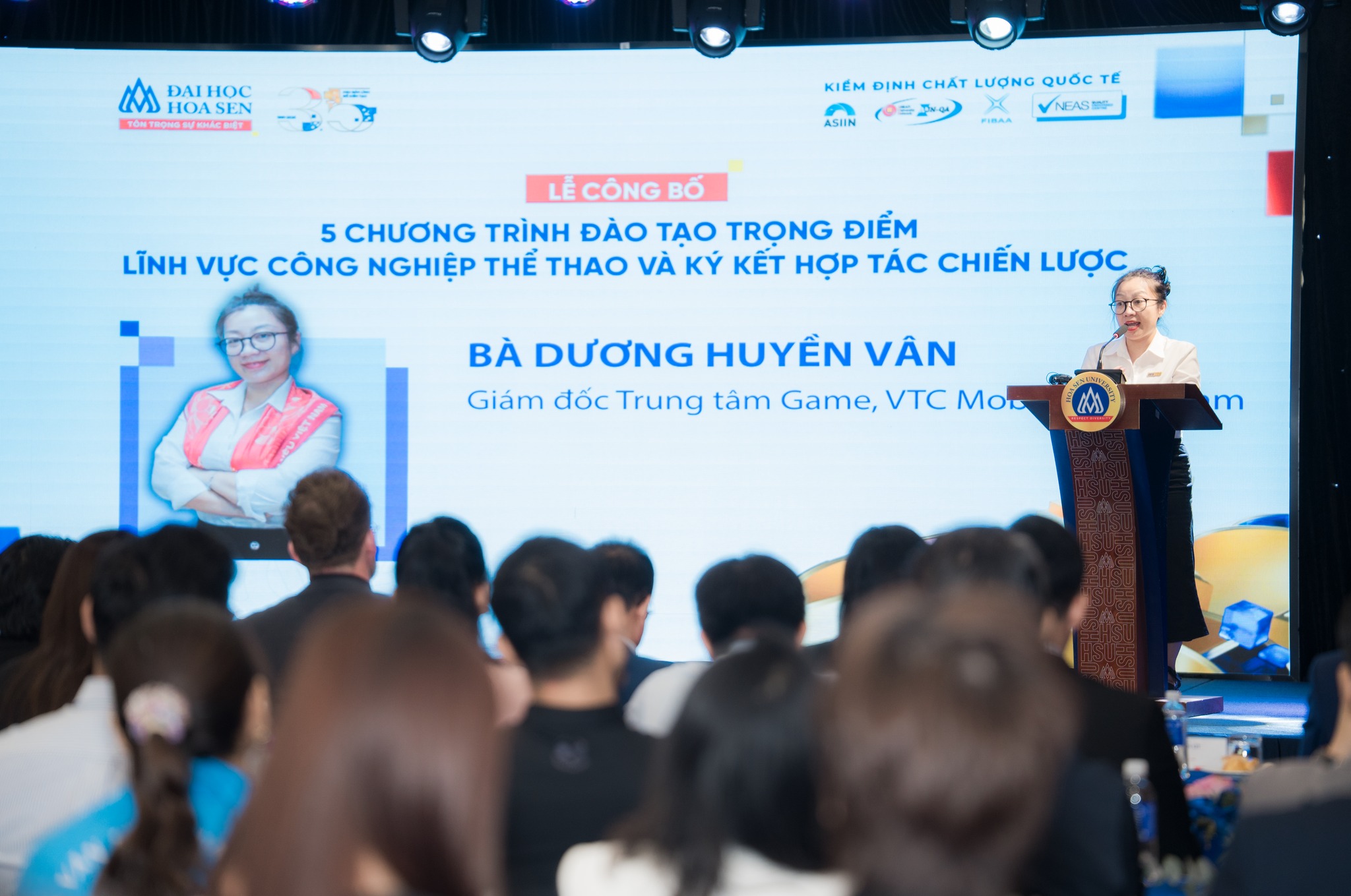
On April 10, 2026, Hoa Sen University (HSU) officially unveiled five new training programs in the Sports Industry, including:
- Business in Sports and Entertainment;
- Sport Event Management;
- Sports Media and Marketing Management;
- Esports Management; and,
- Health and Sport Therapy Management.
At the ceremony, Assoc. Prof. Dr. Nguyen Huu Huy Nhut, HSU President, shared that:
“The introduction of five key Sports Industry programs reflects the university’s determination to nurture a workforce equipped to meet the demands of this emerging and high-potential field, with increasing economic, social, and global integration significance”.
He emphasized that HSU embraced the role of a forward-looking university, one that went beyond knowledge transfer to shape the future actively. Moreover, he noted that a truly responsible institution recognized societal changes and evolving national needs while proactively preparing human resources for emerging fields. With this vision, HSU strived to become a pioneer in training and providing high-quality human resources for Viet Nam’s sports industry.
From Sports Industry Training to Ecosystem: The Future Direction of the Sports Industry
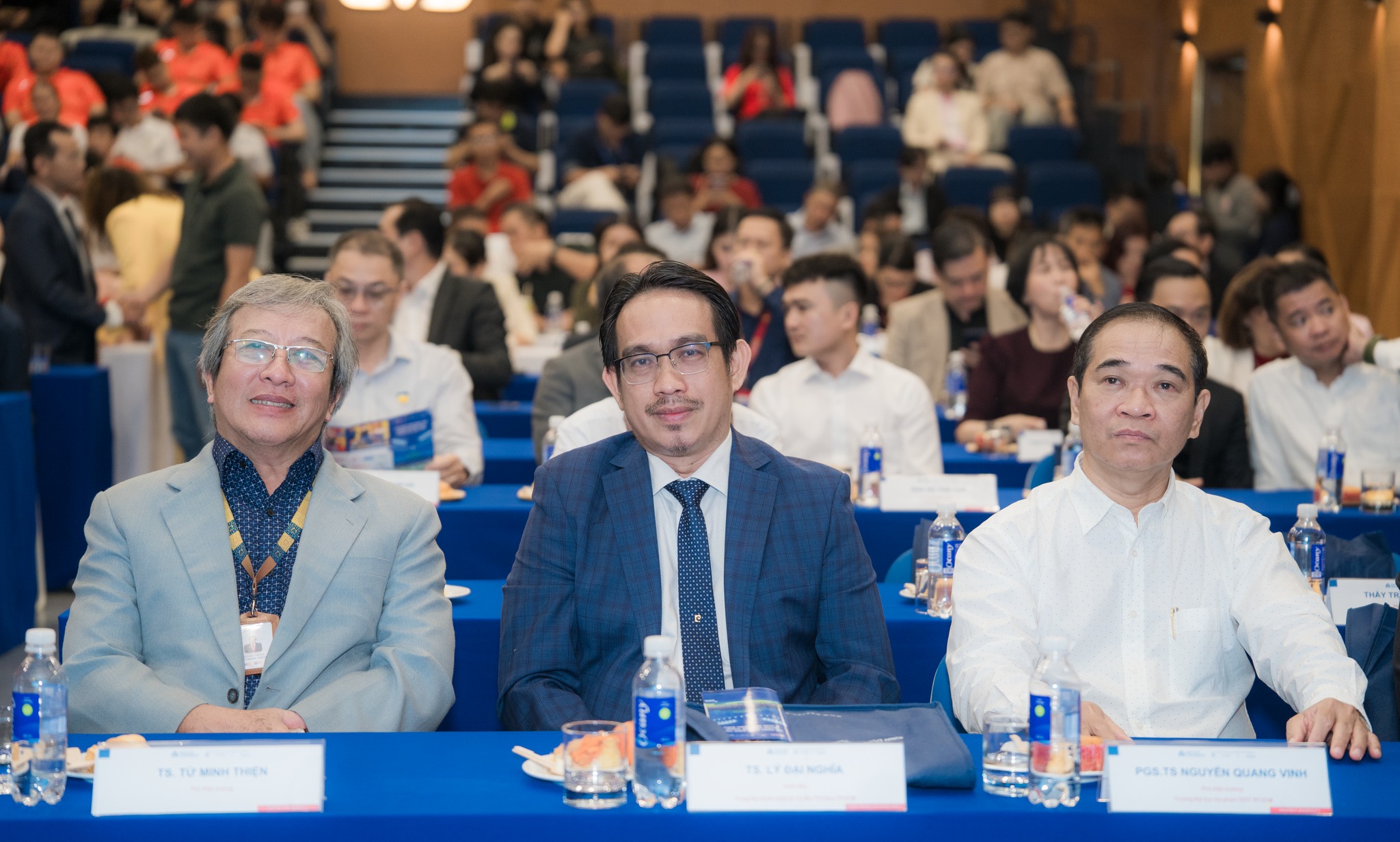
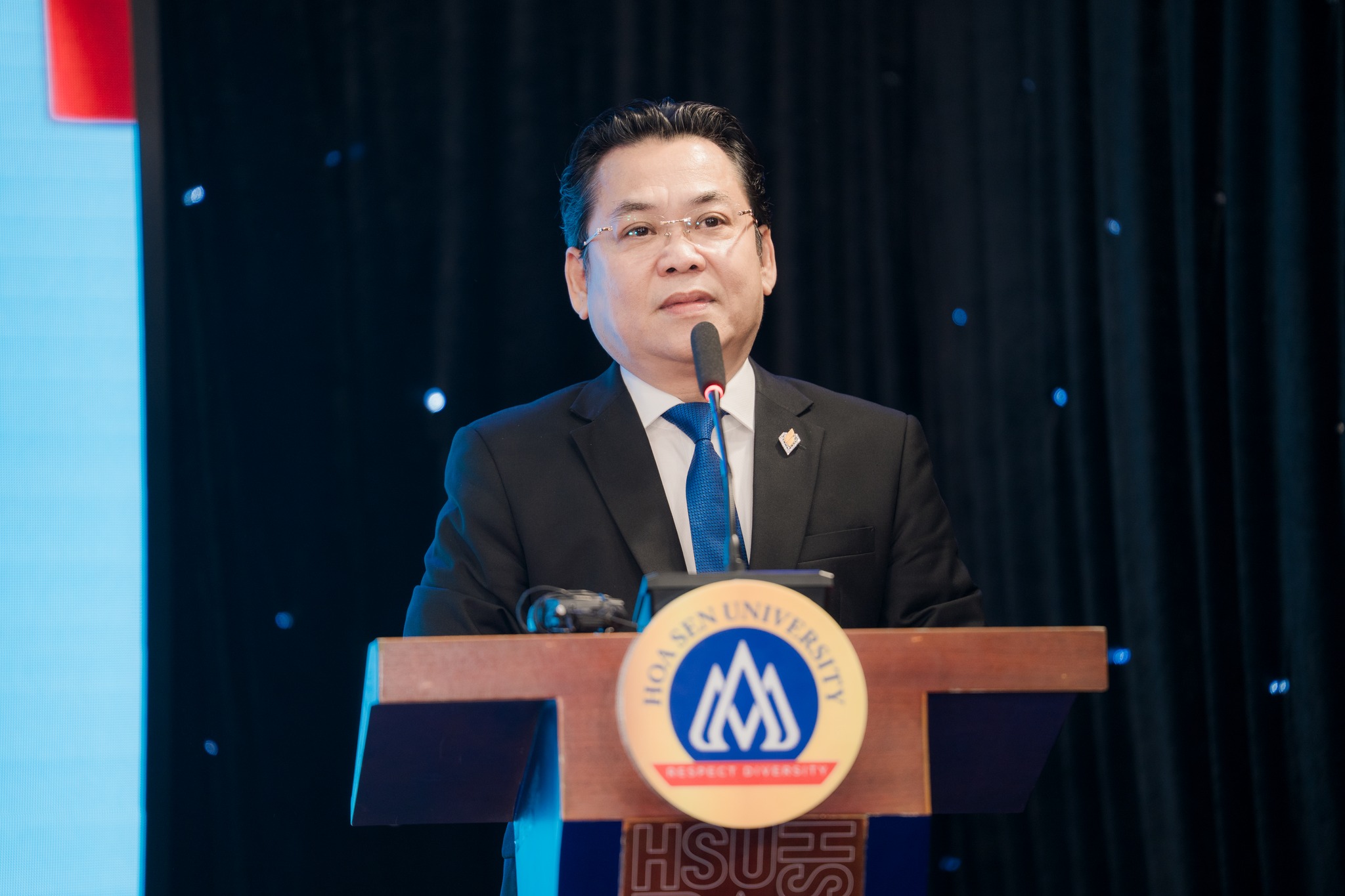
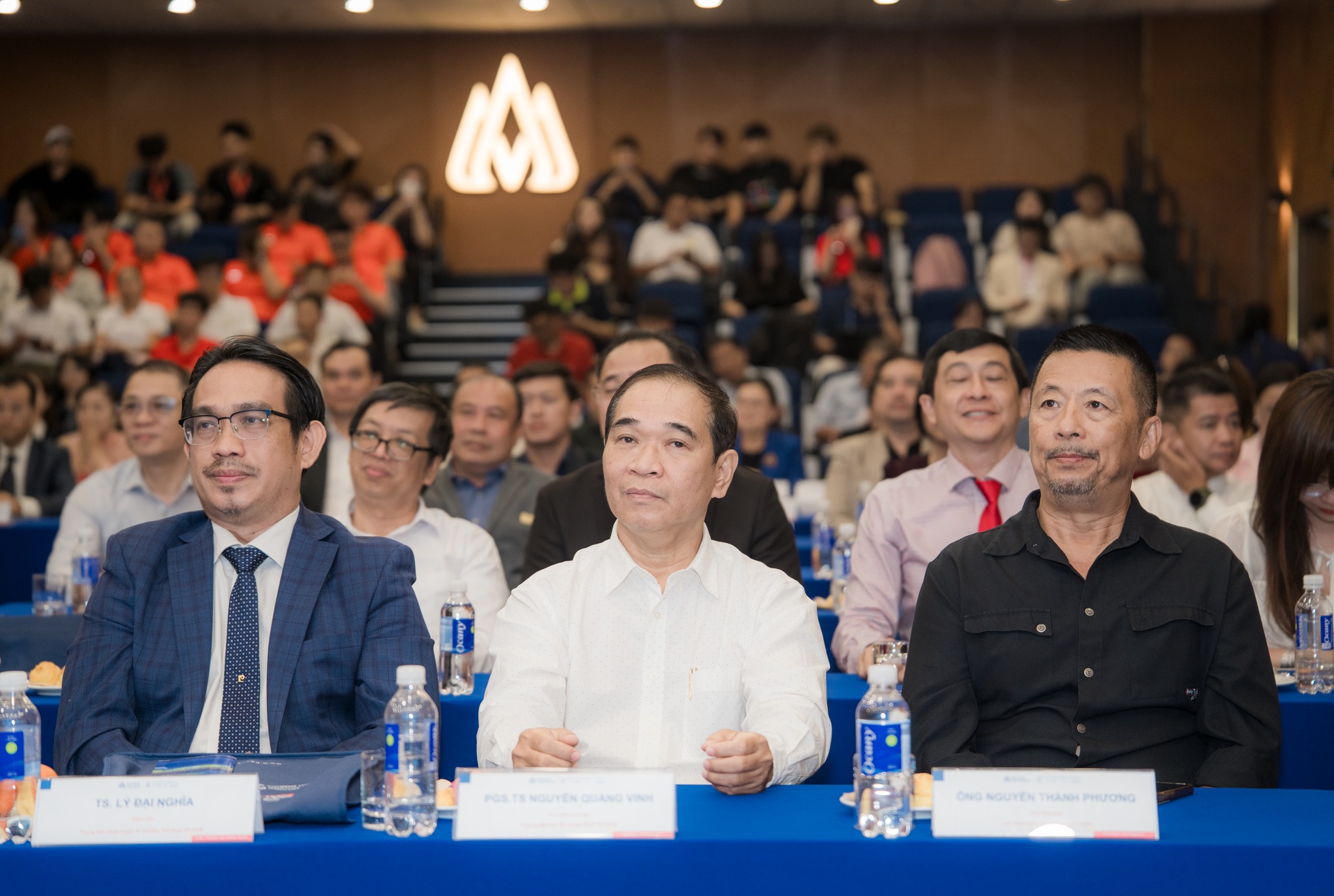
Speaking at the event, Dr. Ly Dai Nghia, Director of the Ho Chi Minh City Sports Center, highlighted that the launch of five key programs by HSU was not only a significant milestone for the university but also an encouraging signal for the sports sector nationwide. Additionally, he claimed that sports had evolved beyond physical training into a key indicator of societal development and civilization, with sports economics and the sports industry emerging as inevitable drivers of sustainable and professional growth.
Furthermore, he expressed his hope that, with HSU’s pioneering efforts and strong collaboration among stakeholders, Viet Nam’s sports ecosystem would gradually take shape and develop, making meaningful contributions to the economy and advancing the sports and cultural industries as future growth drivers.
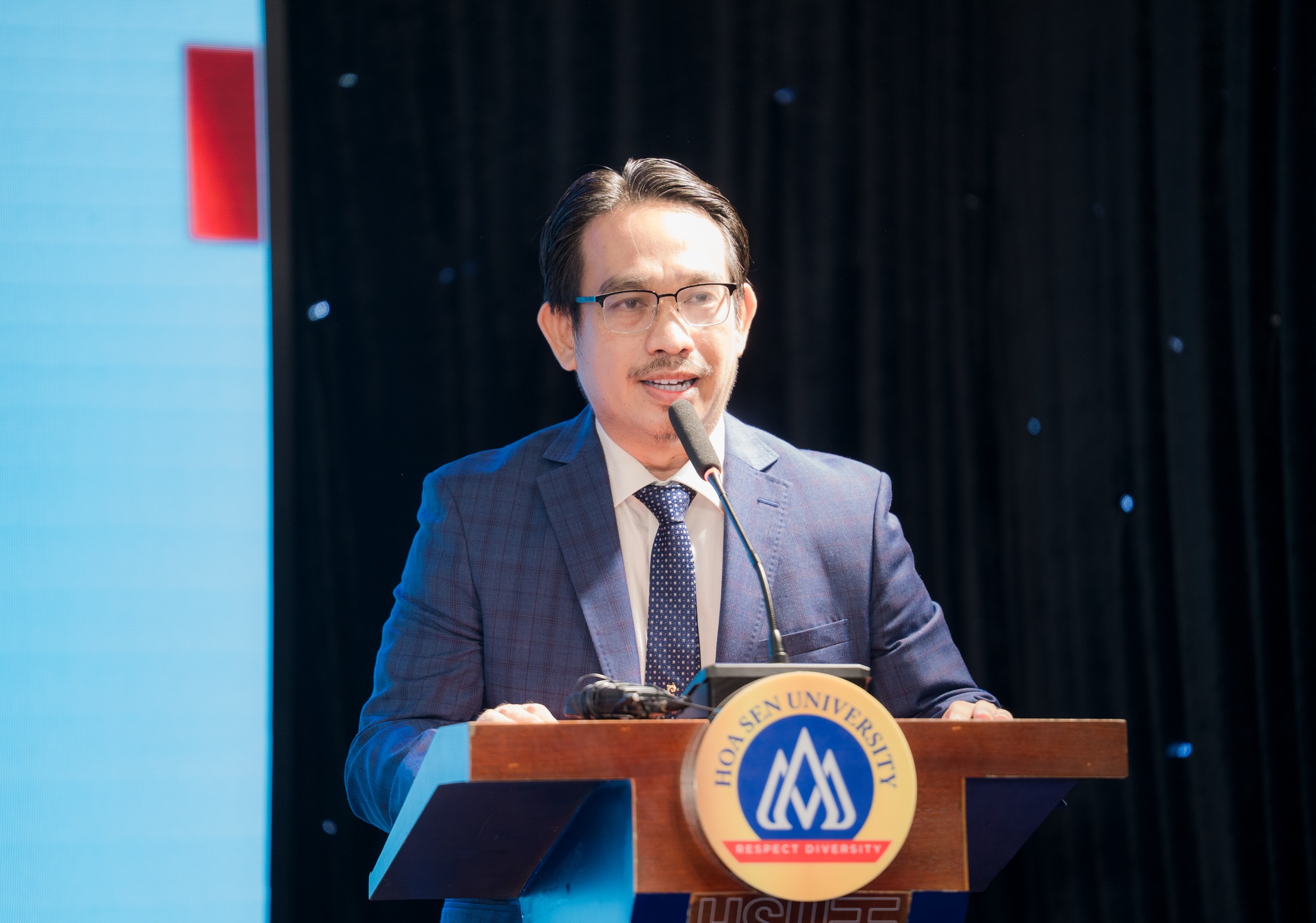
He also emphasized the need to shift the development mindset from an individual operating model to a collaborative ecosystem building between HSU, businesses, and management units. In this context, HSU’s training programs need to be implemented in a practical, action-oriented manner, closely linked to concrete collaborations rather than remaining at the level of guidance.
At the event, Mr. Dane Fort, CEO of California Fitness and Yoga Center Co., Ltd., highlighted HSU’s pioneering efforts in launching Sports Economics training programs. He described this as a timely move aligned with global trends and a direct response to the rising demand for talent in Viet Nam.
With more than 20 years of experience in the field, he emphasized that sports economics went beyond physical training, spanning media, technology, and an expanding service ecosystem. In this context, he informed that the launch of five key training programs at HSU was viewed as a strategic foundation for developing a skilled workforce ready to engage with and contribute immediately to the market.

Development of a Sports Industry Training Ecosystem at HSU
A key feature of the five training programs is their design as an integrated ecosystem, fully reflecting the structure of the modern sports industry. This serves as a foundation for HSU to progressively develop the Faculty of Sports Industry, to become a leading training and research hub in this field in Viet Nam.
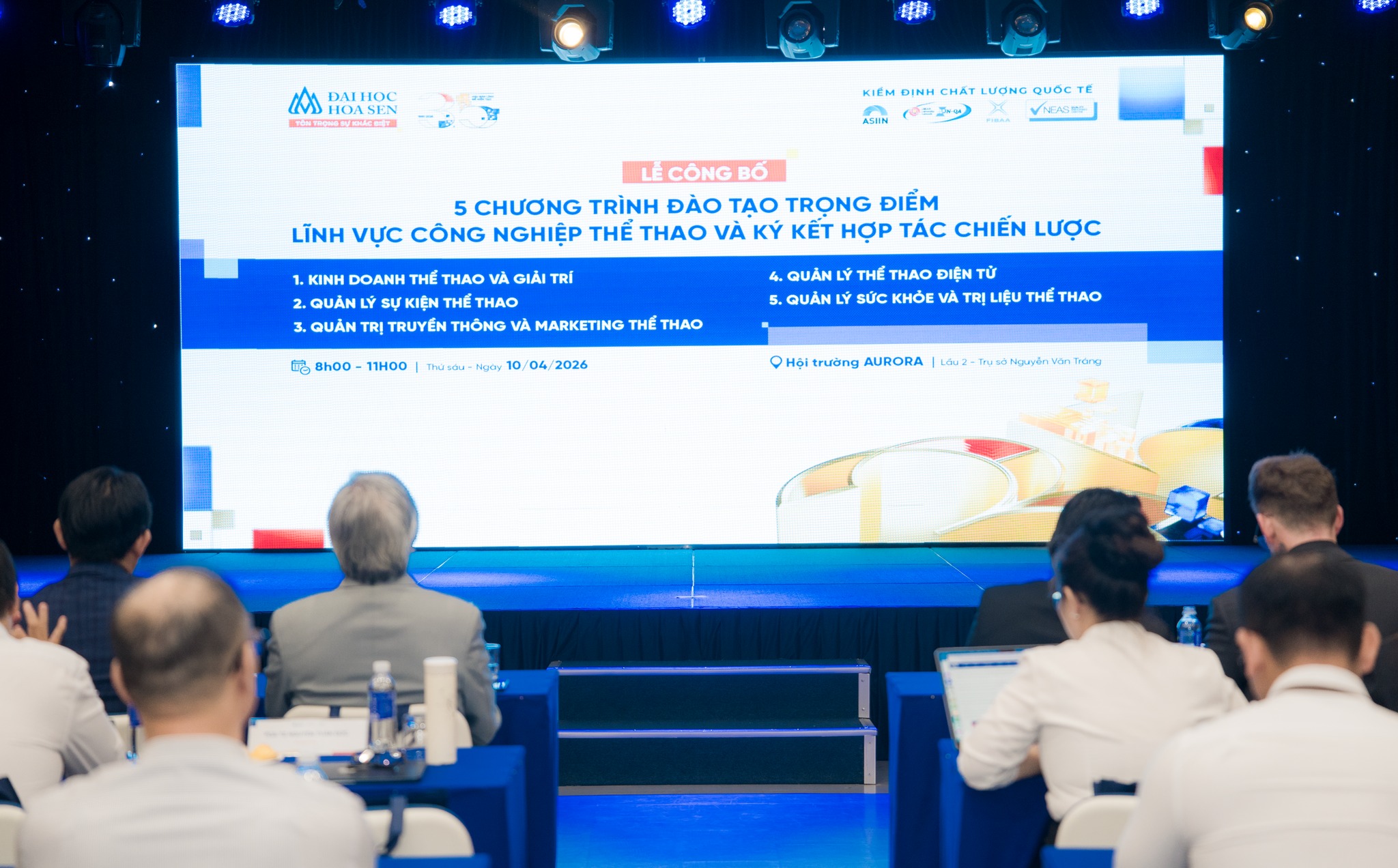
The five programs under the Sports Economics major (major code: 7310113) are structured as four-year courses, with a strong emphasis on experiential learning. Approximately 50% of the major is dedicated to hands-on activities and real-world experiences within sports-related businesses. In addition, each program includes 6 – 8 courses taught in English, helping students enhance their language proficiency and prepare for working in an international environment.
Broadening Partnerships and Opportunities for HSU Students
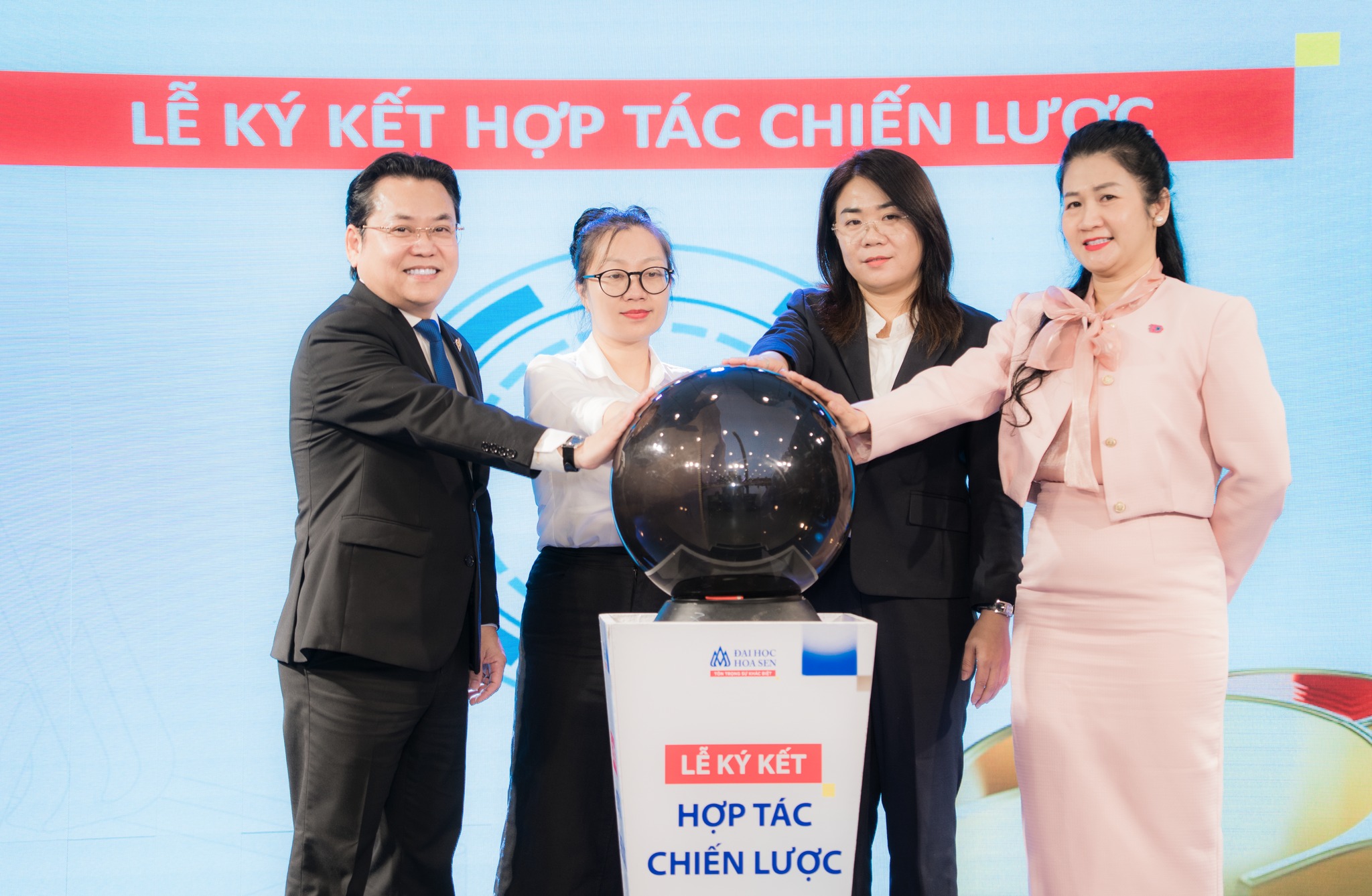
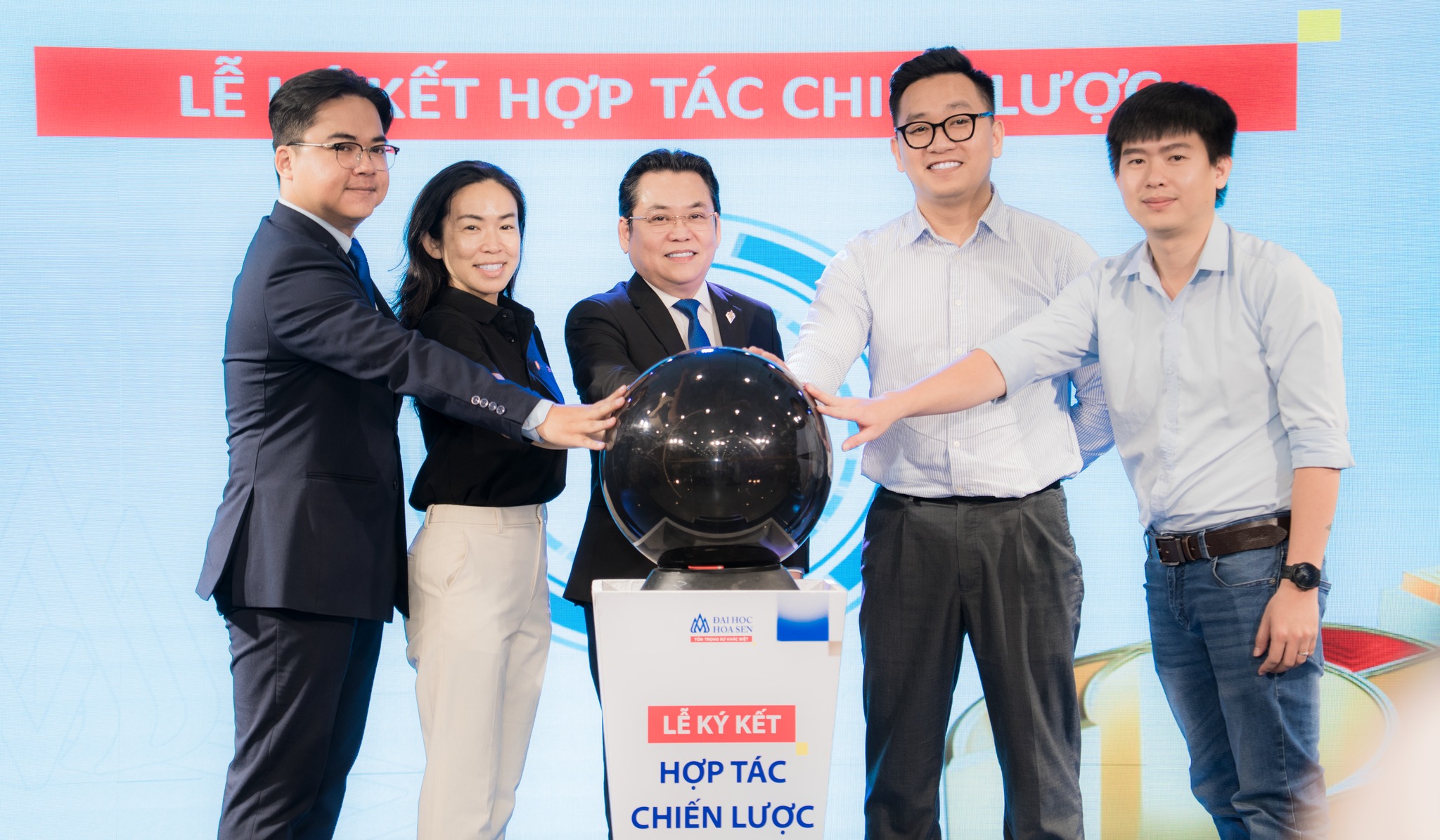
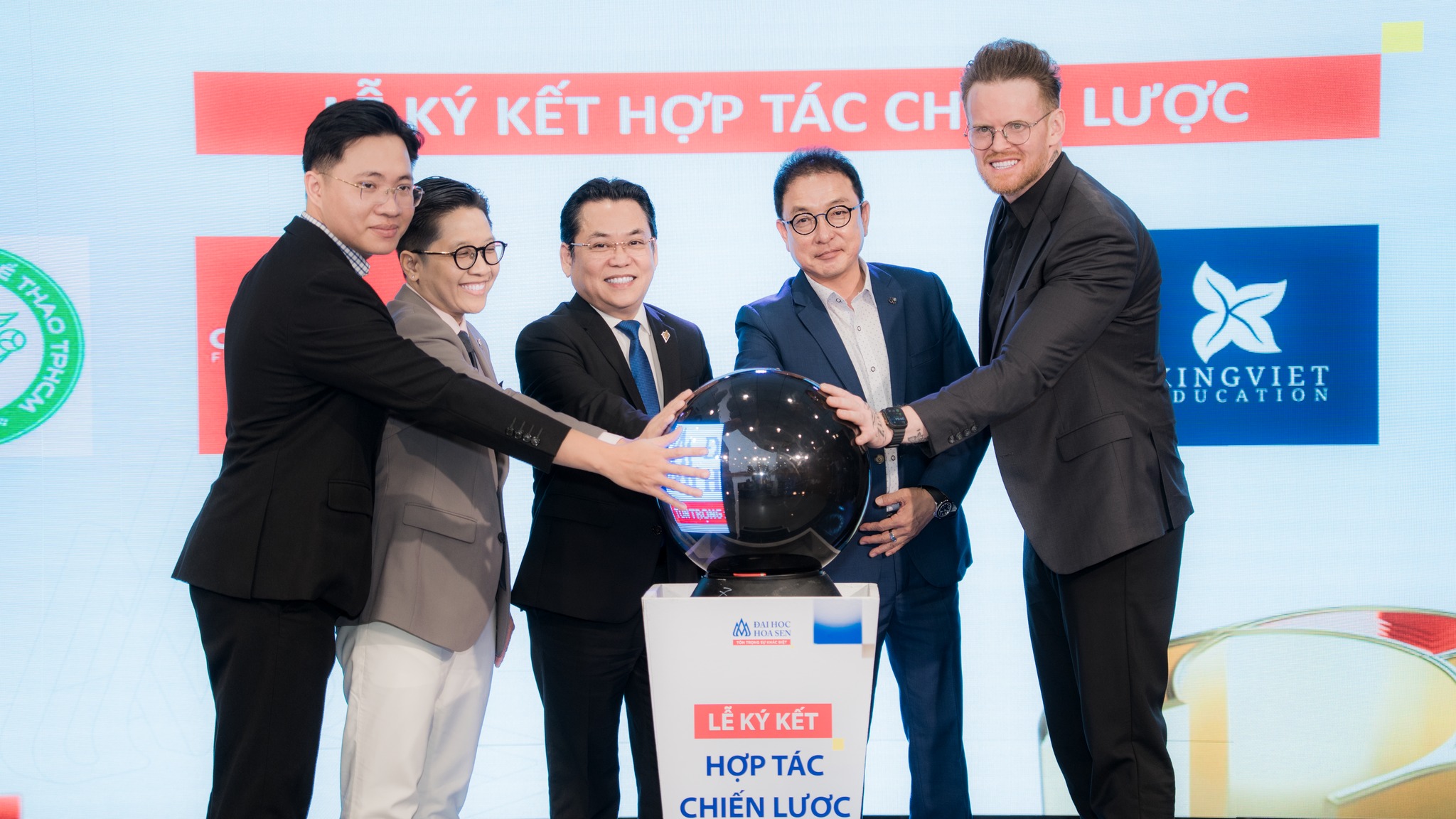
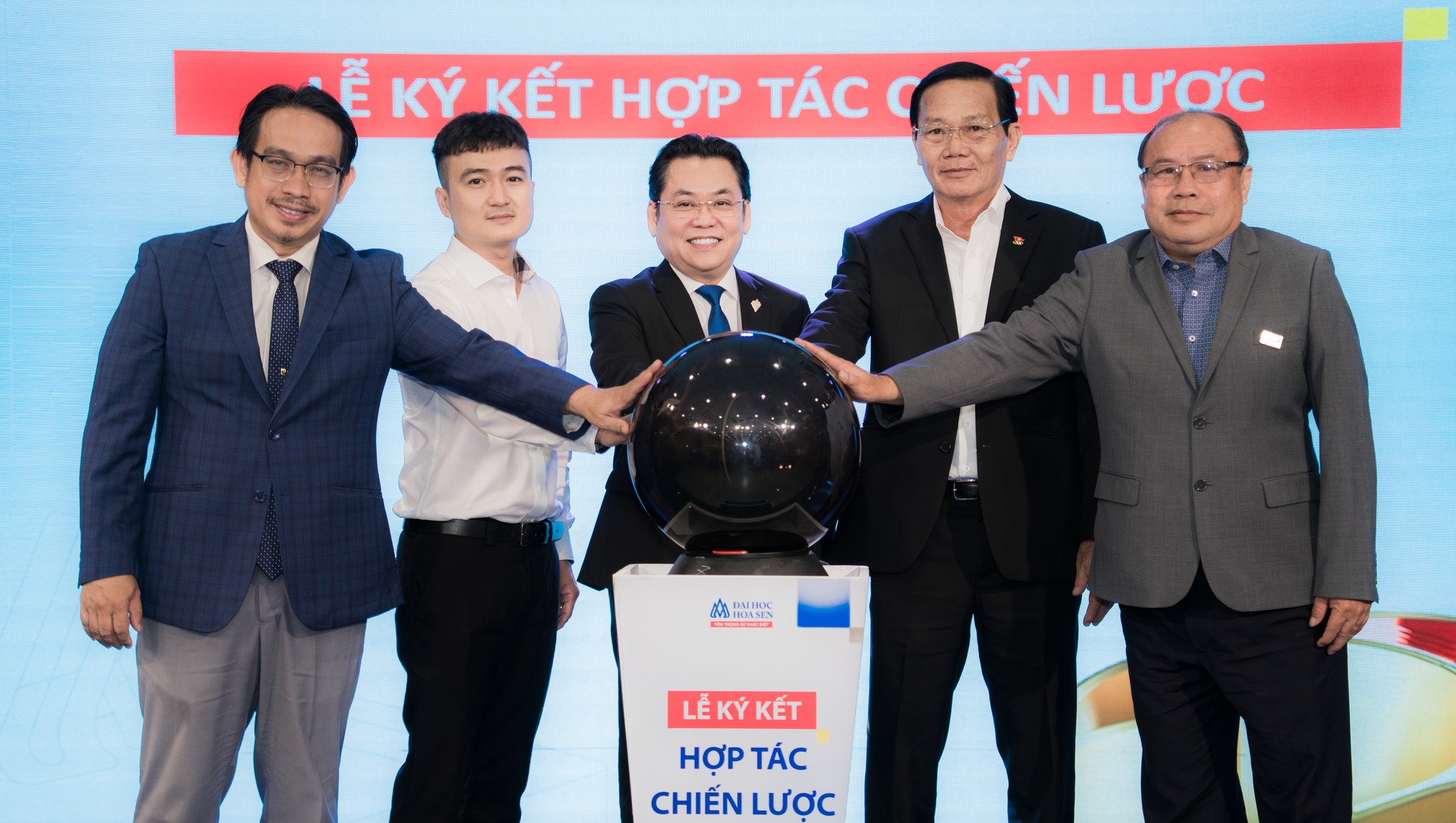
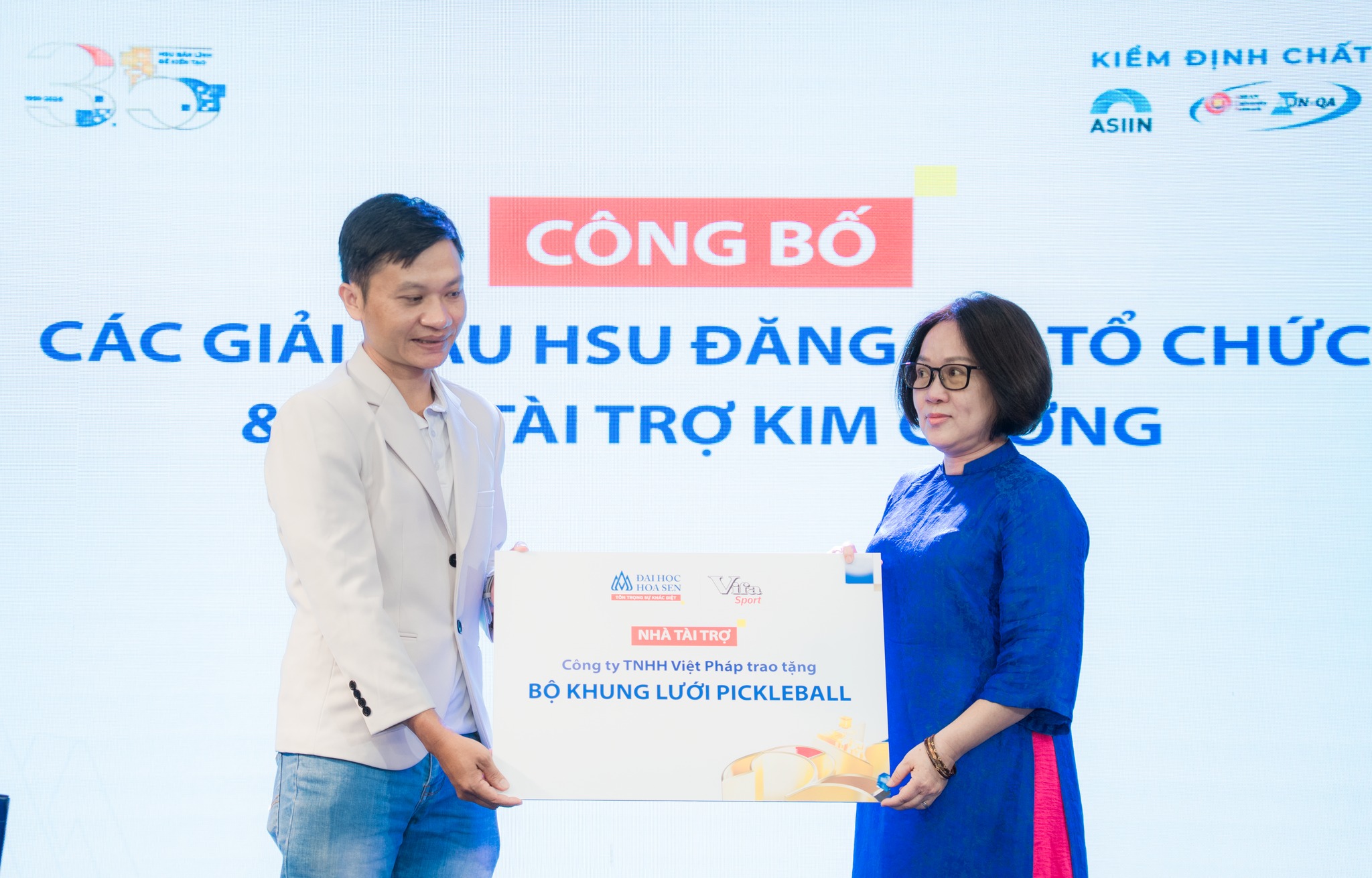
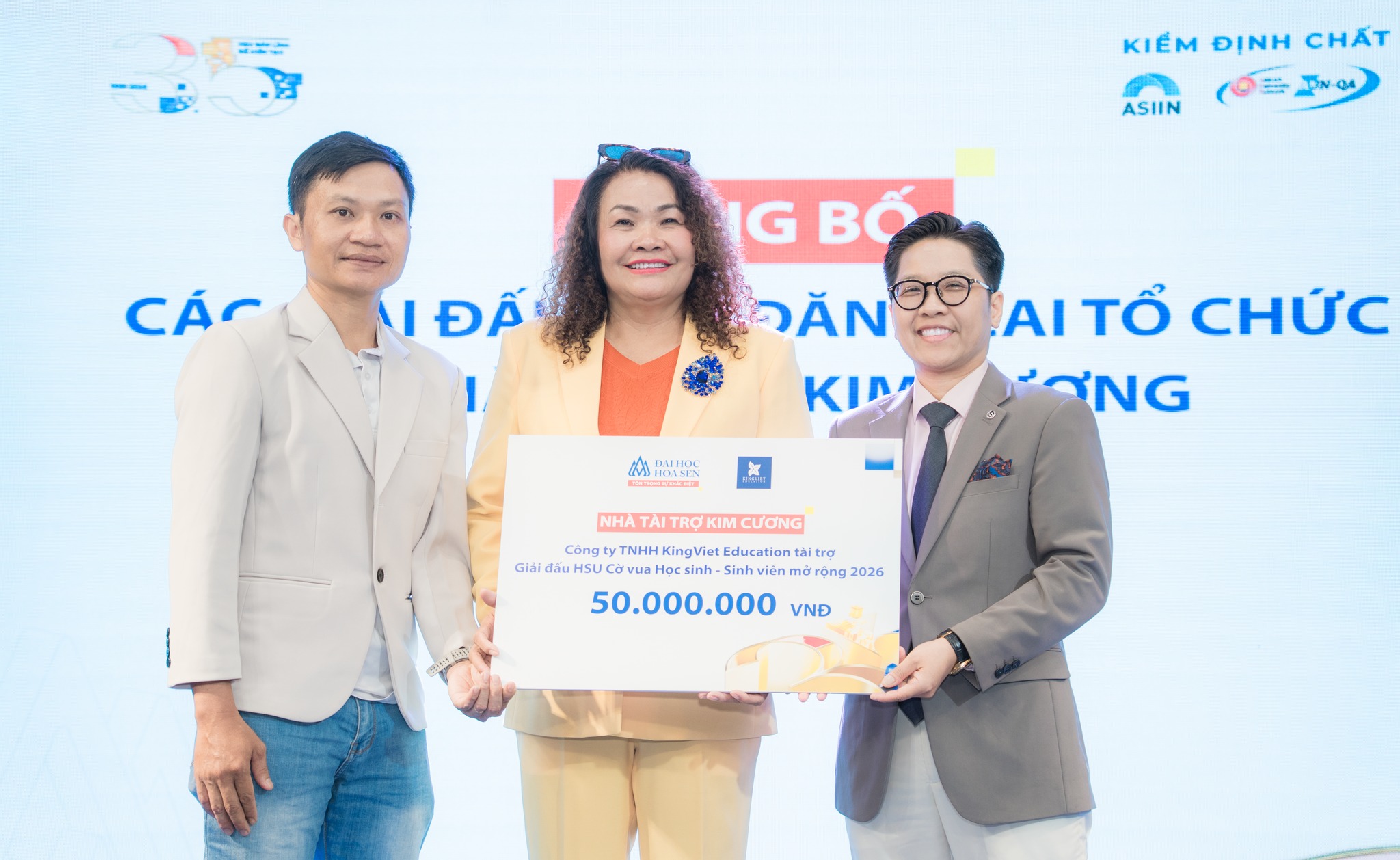
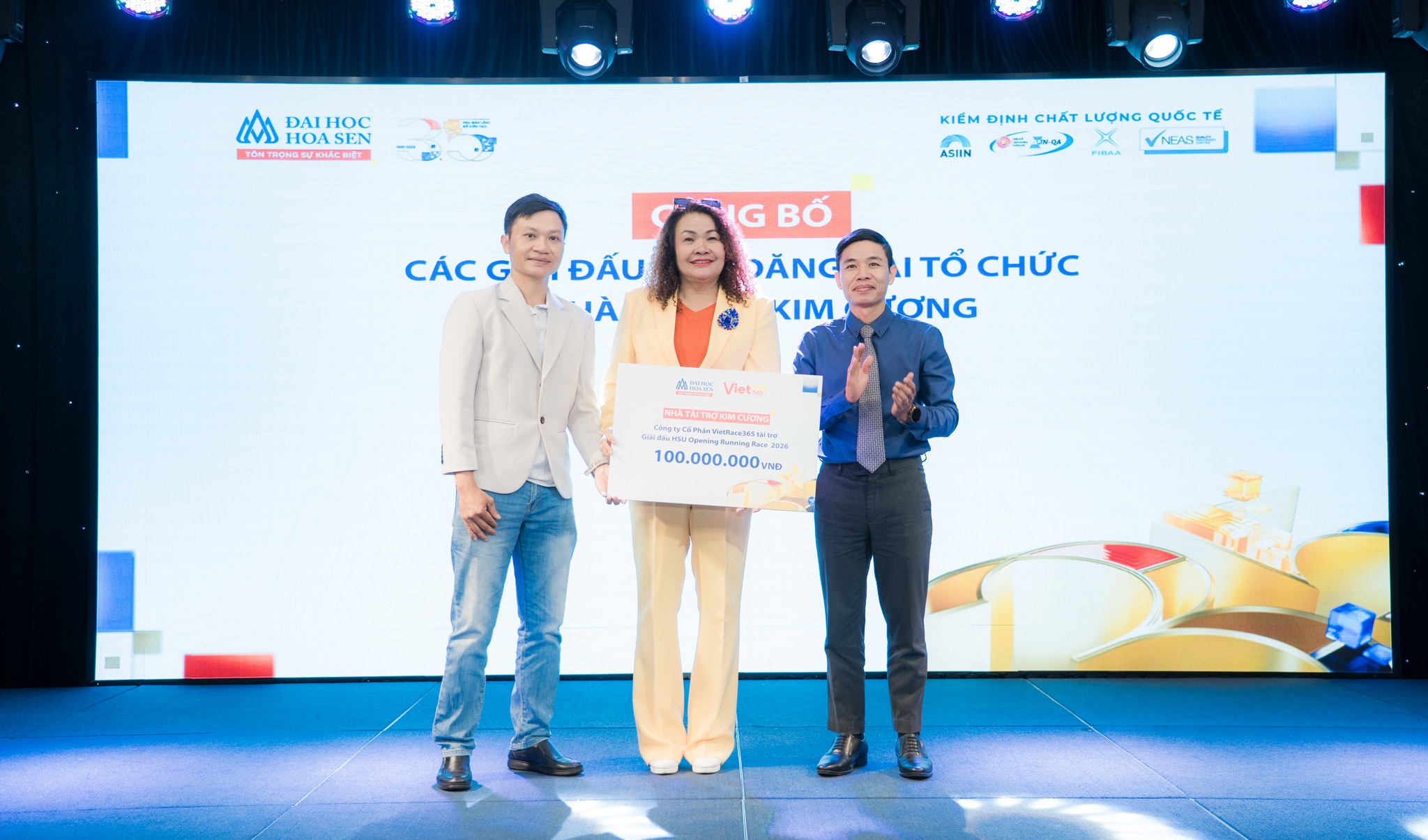
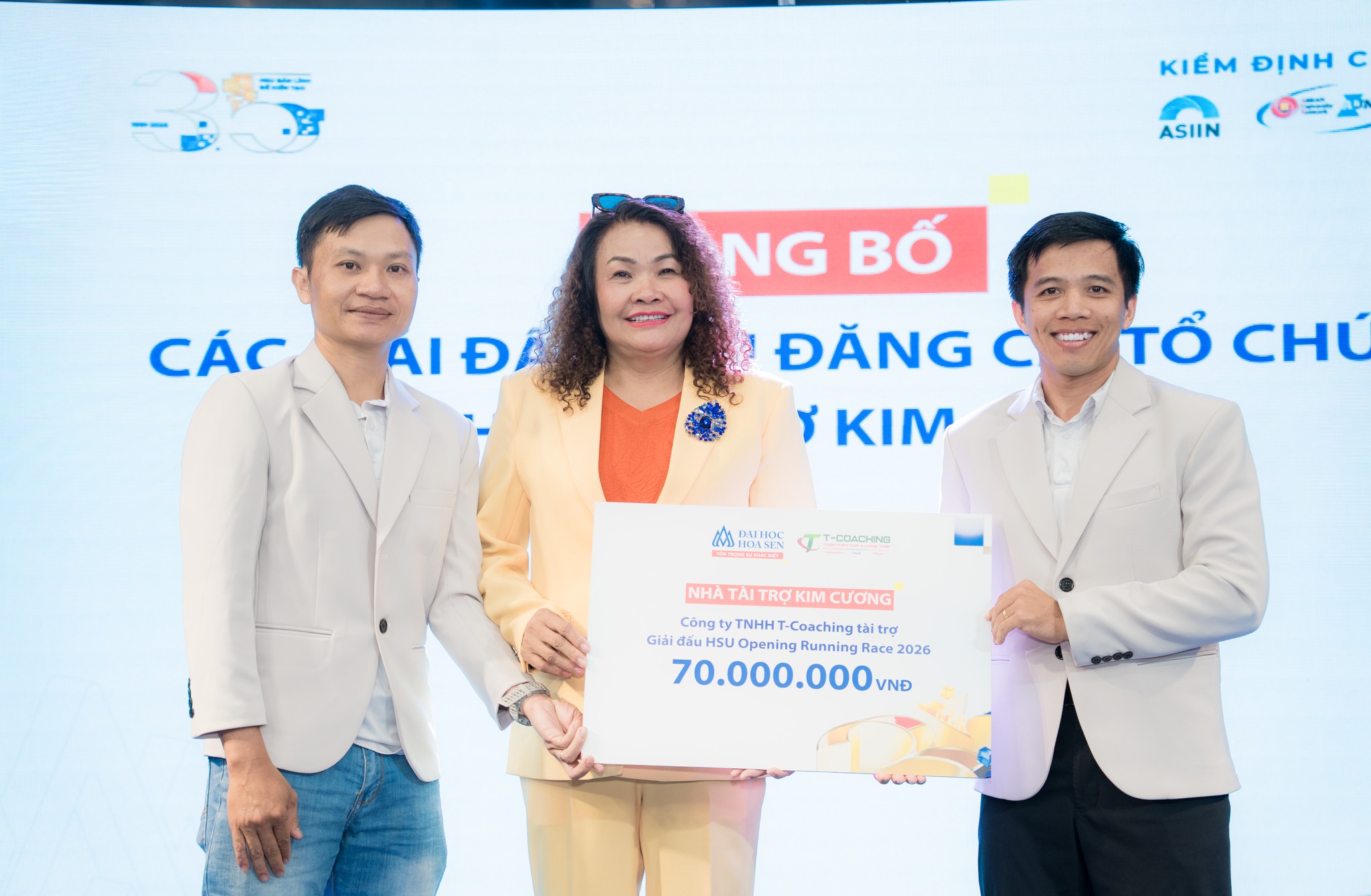
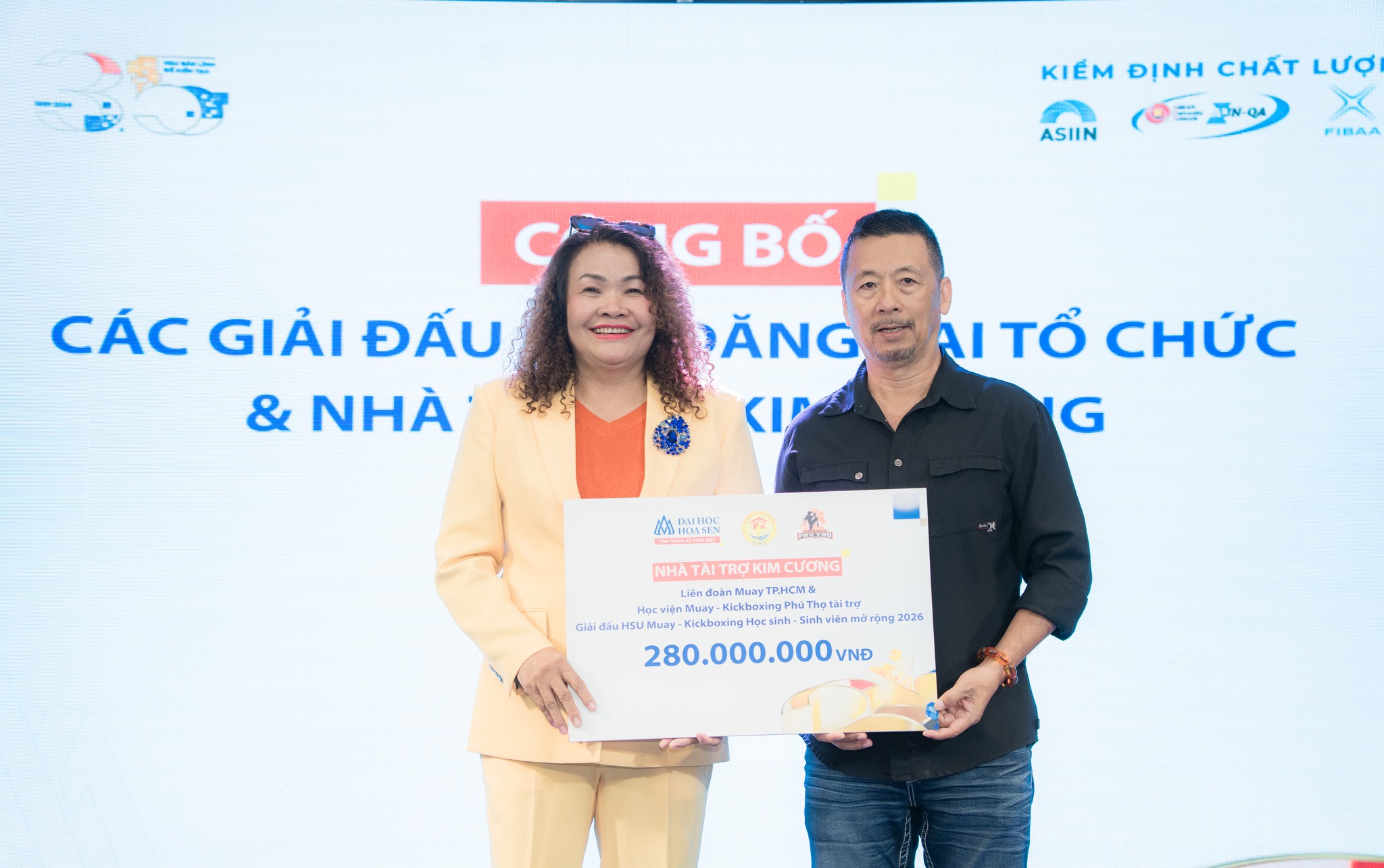
As part of the event, HSU formalized strategic partnerships with 15 domestic and international organizations in the sports industry.
This network creates early access for students to real-world work environments, offering opportunities for internships, hands-on experience, and expanded career pathways.
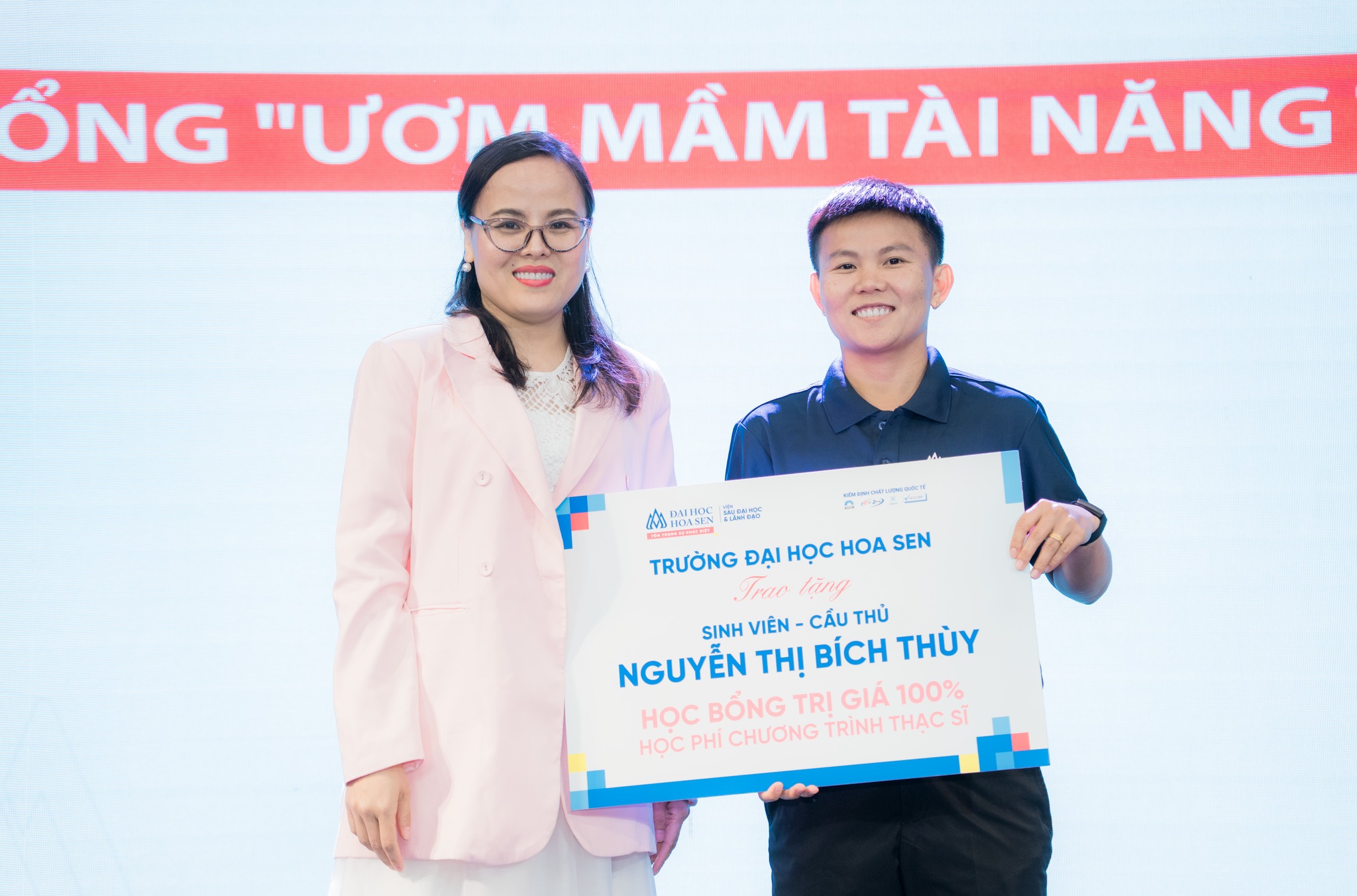
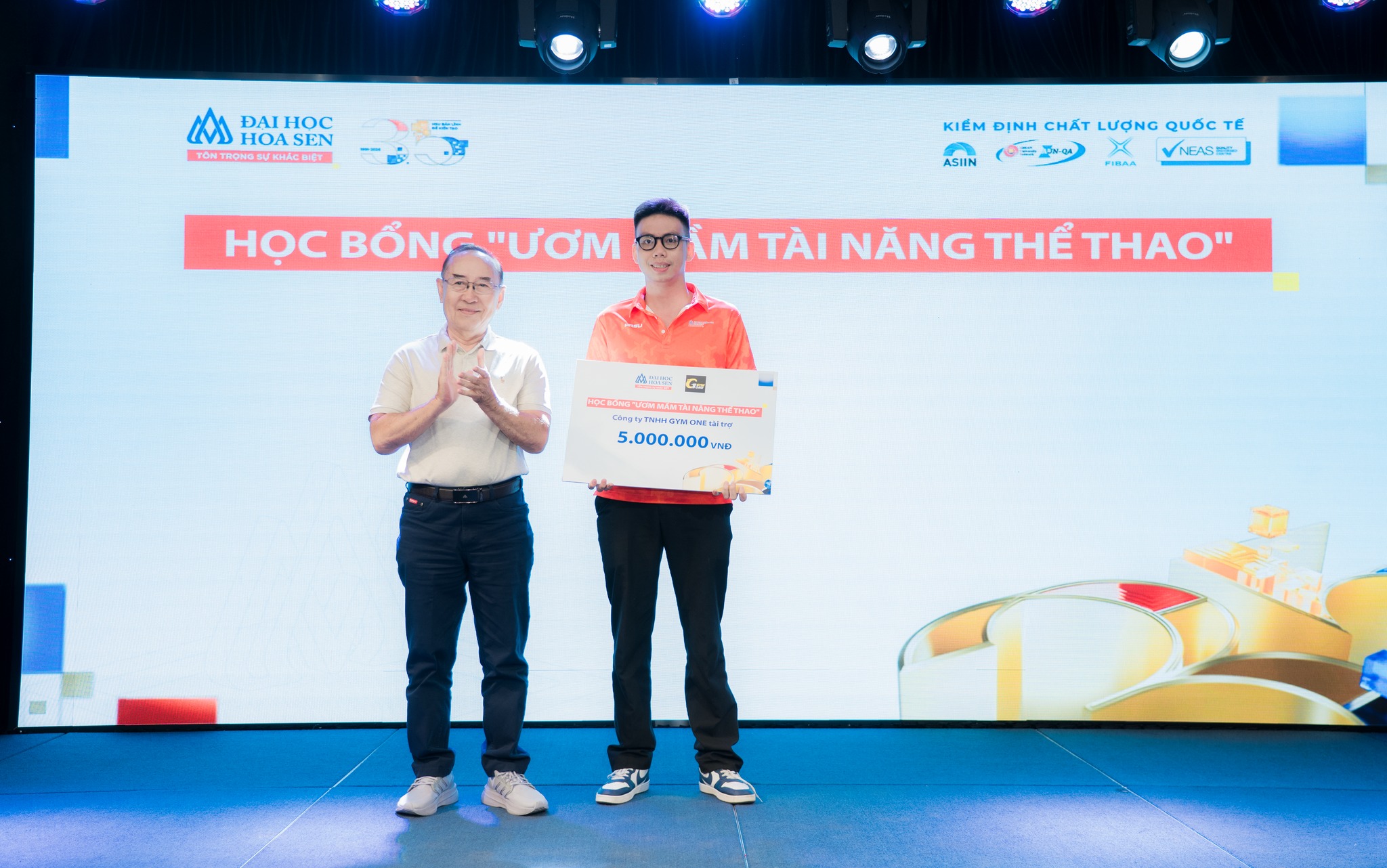
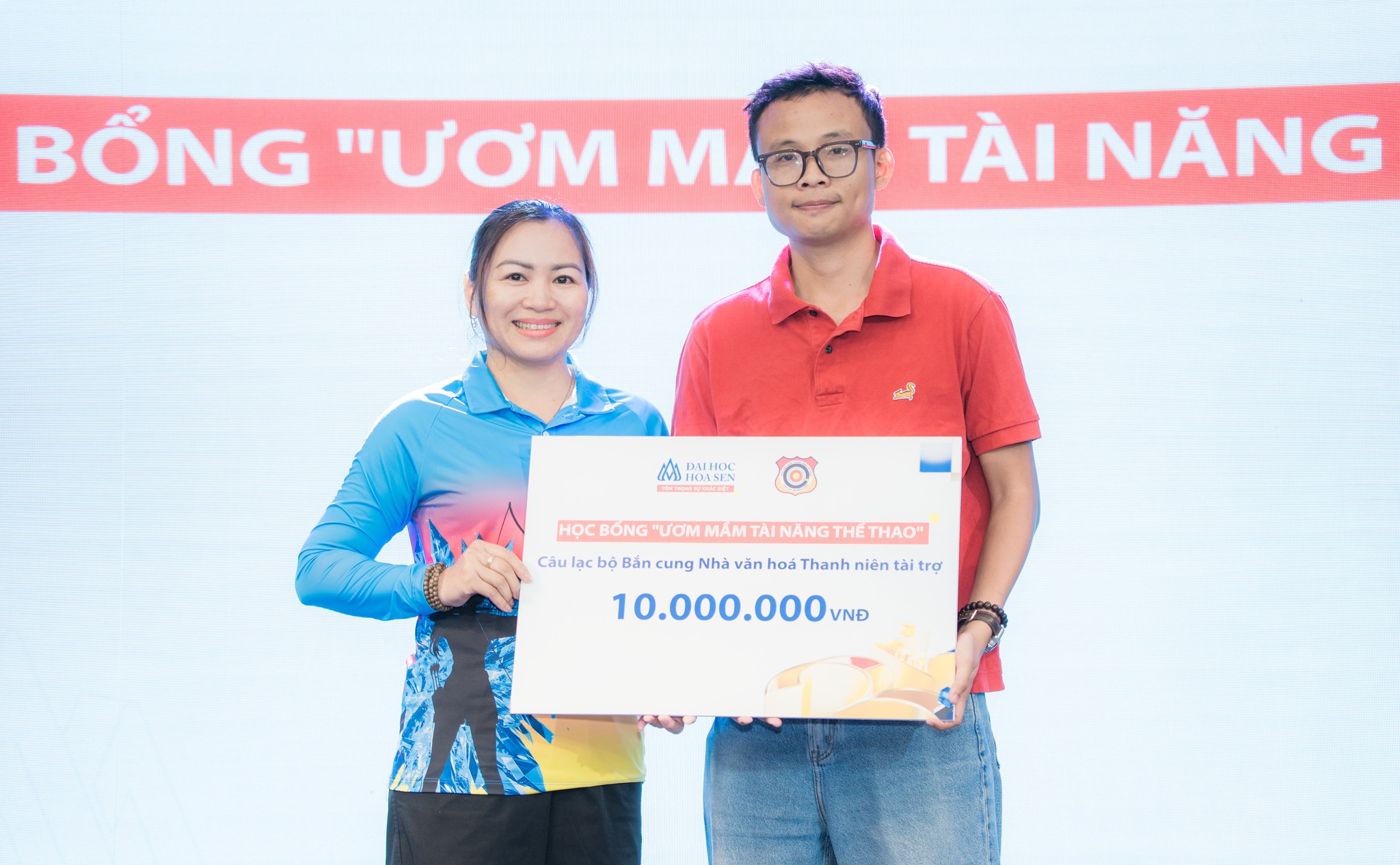
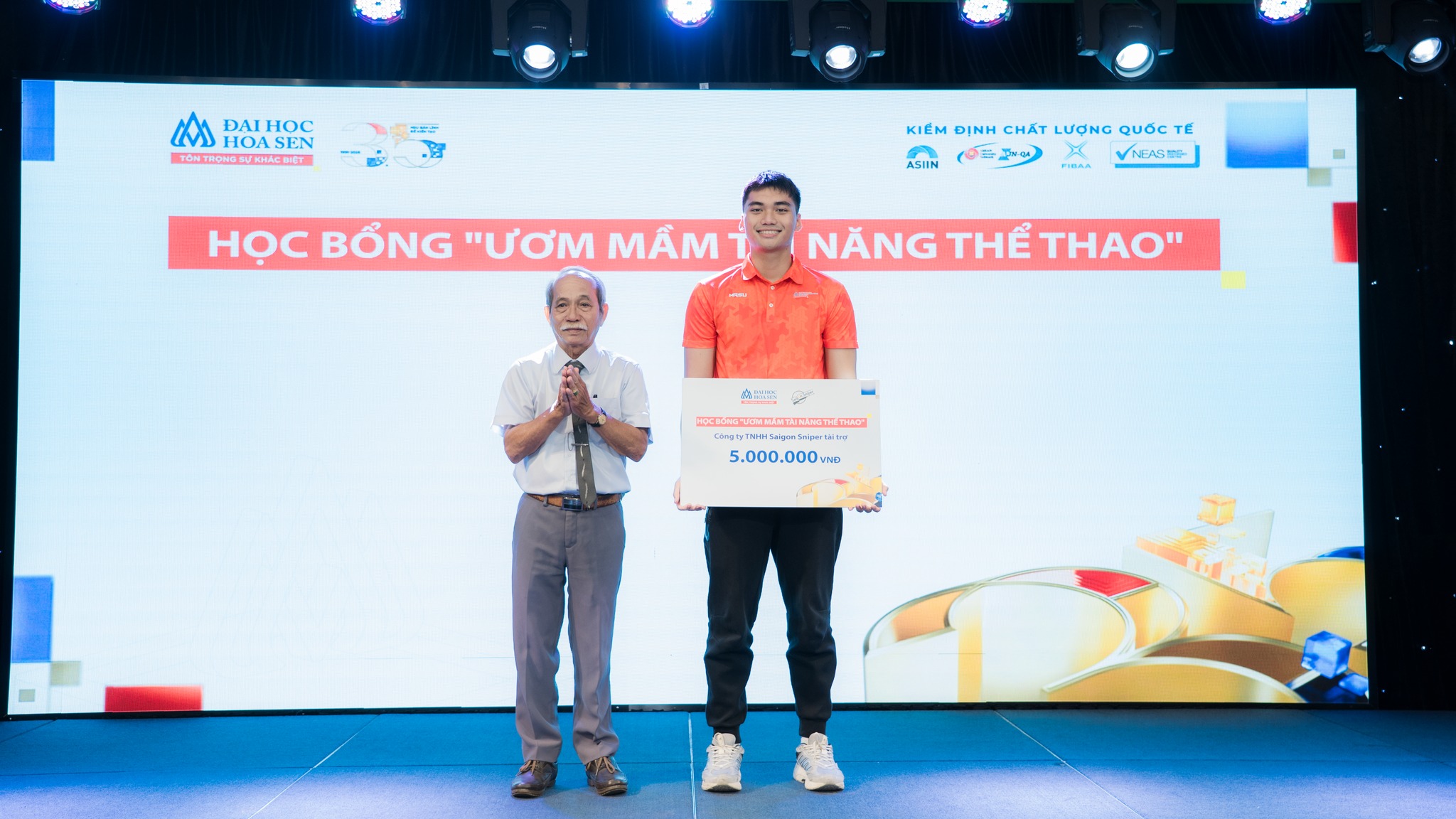
In addition, partner enterprises offer diverse scholarship programs, career opportunities, and networking platforms, empowering HSU students to shape their own development paths aligned with their strengths and aspirations.
The close integration of training and industry collaboration underscores HSU’s strategic direction: bridging education with real-world practice to develop well-rounded graduates ready for the global workforce.
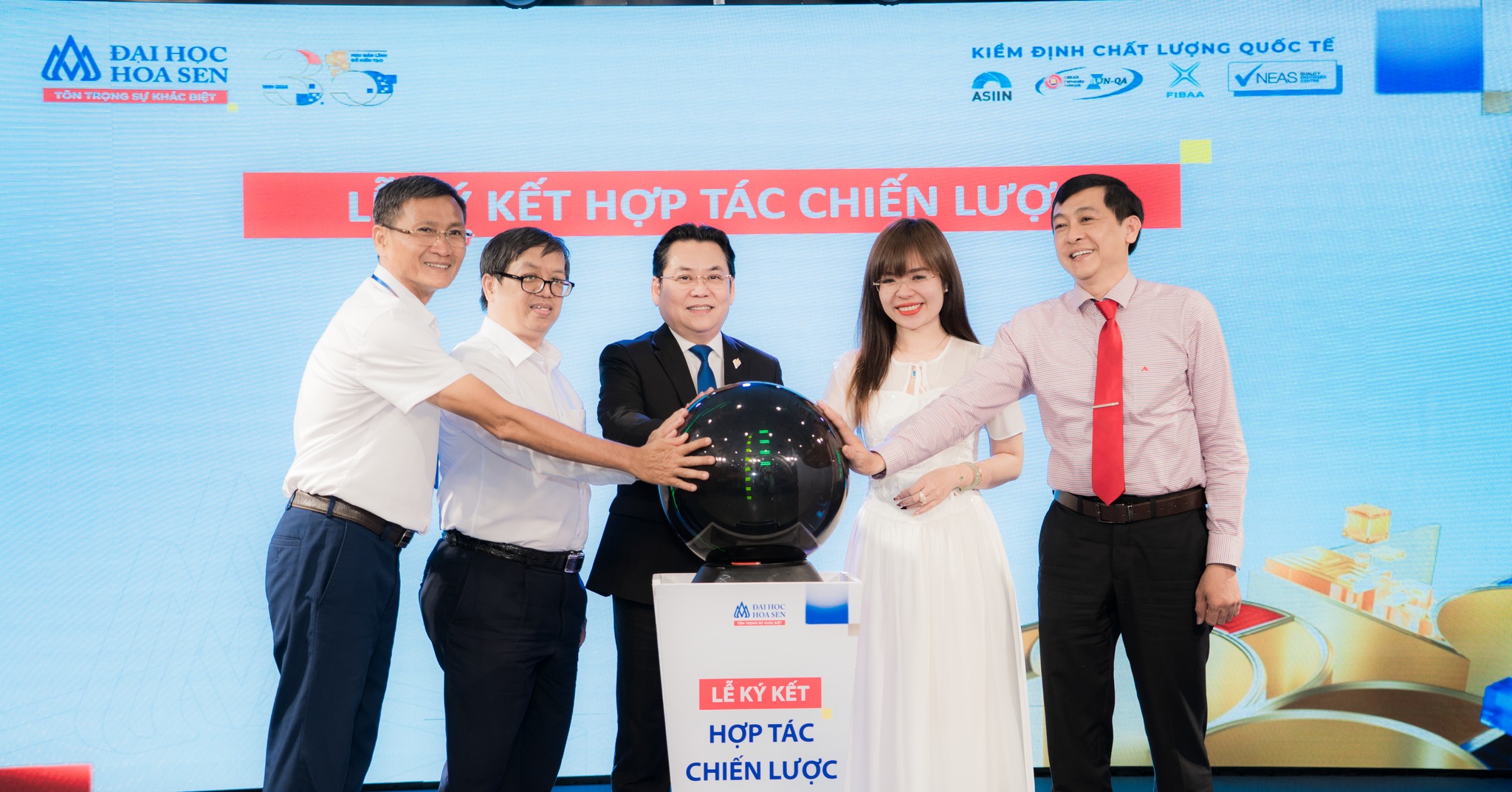
Let’s look back at memorable moments at the event: