
International Academic Connections Through Southeast Asian Heritage Stories at HSU
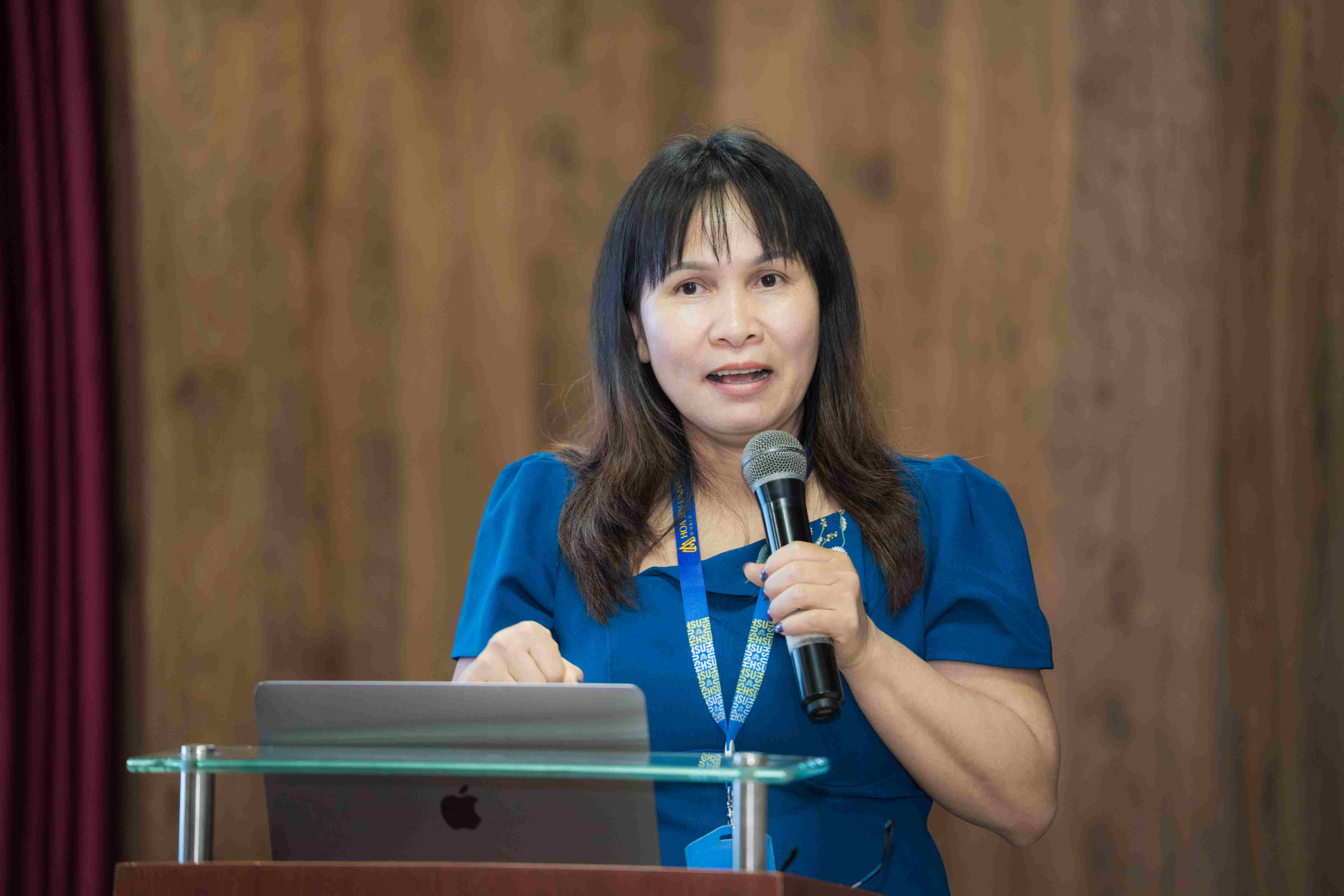
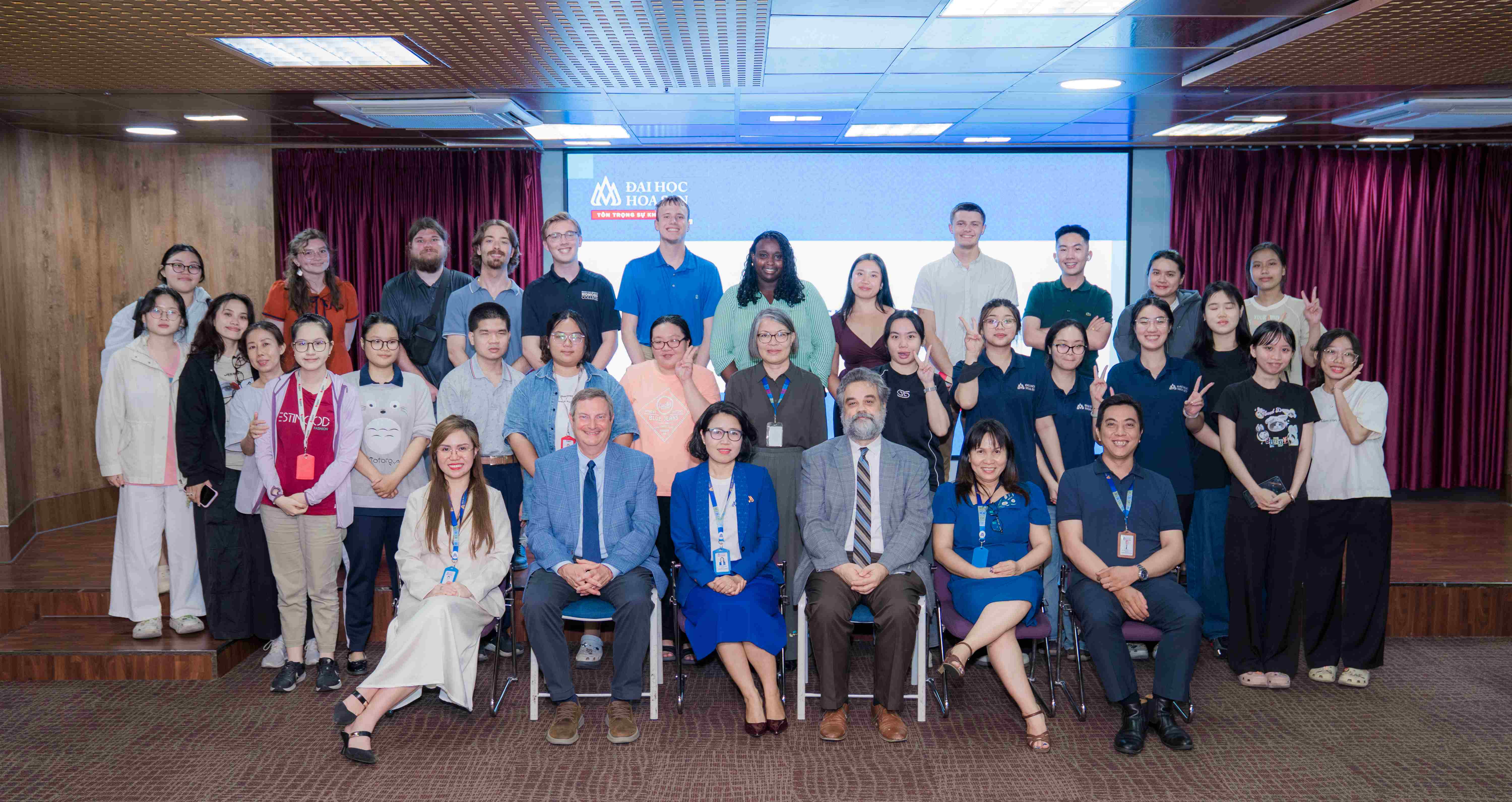
On May 26, 2026, organized by the Faculty of Hospitality Management and the Liberal Education Program under the Department of General Education at Hoa Sen University, the workshop “Gender & Development – Heritage & Tourism” offered students a vibrant multicultural academic environment to explore heritage, urban history, and community development in Southeast Asia from new and diverse perspectives.
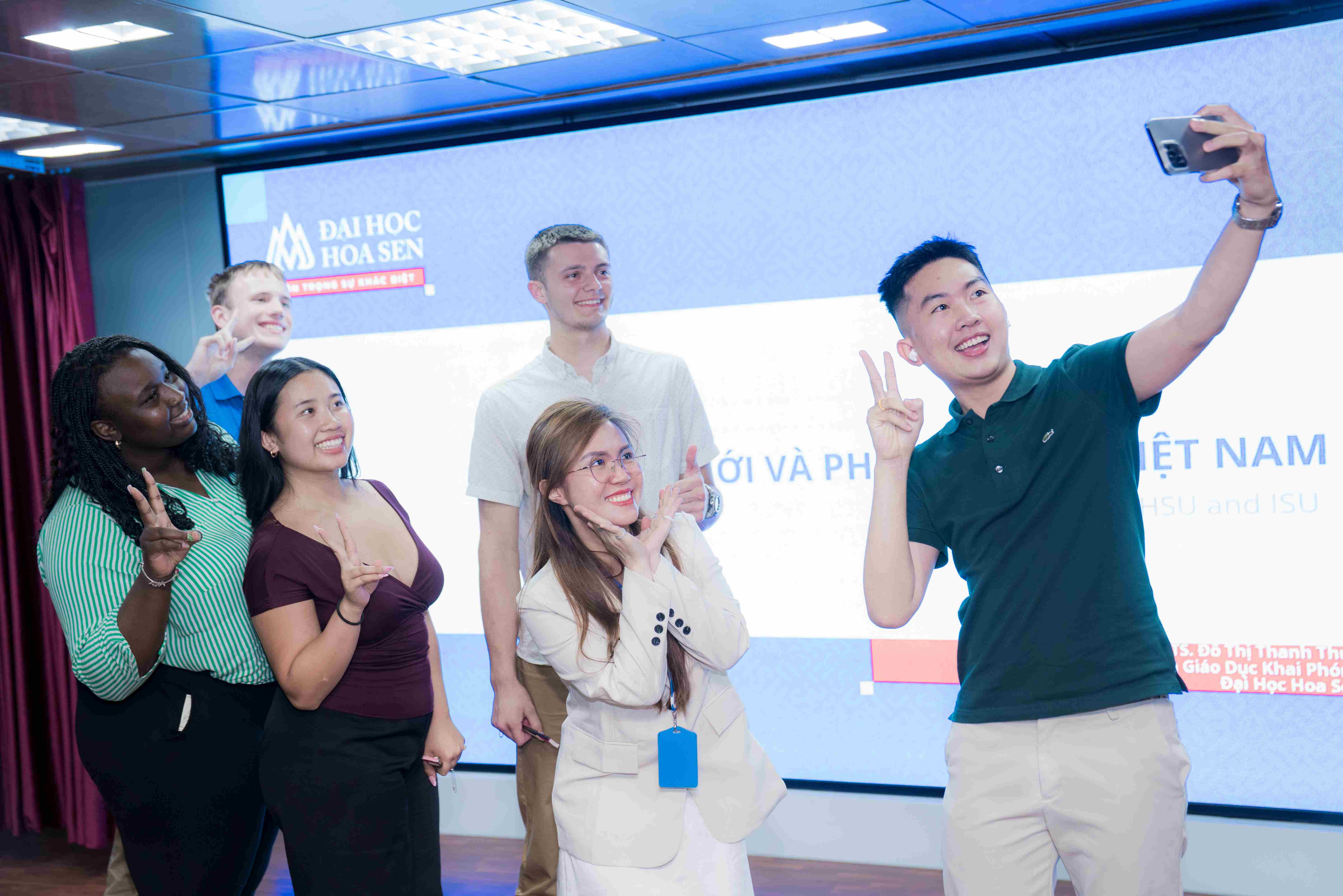
The workshop is part of the student exchange series between Hoa Sen University and Indiana State University, helping students expand international exposure and strengthen global academic connections.
International perspectives on Southeast Asian heritage and tourism development
On May 26, 2026, Hoa Sen University (HSU) organized the workshop “Gender & Development – Heritage & Tourism” through the Faculty of Hospitality Management and the Liberal Education Program under the Department of General Education, creating a multicultural academic space for students to explore heritage, urban history, and community development in Southeast Asia from fresh perspectives.
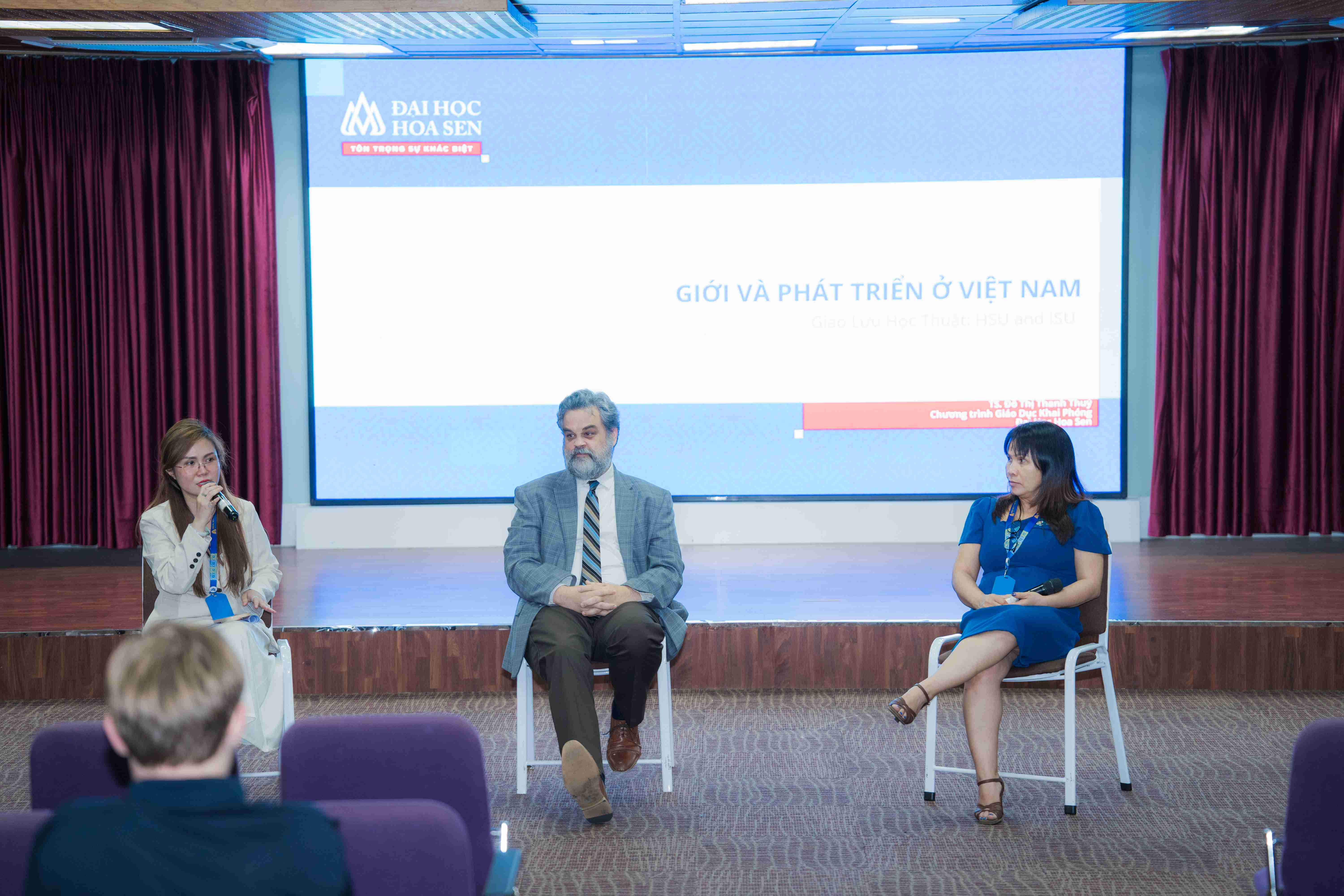
The workshop was led by Prof. Taylor Easum of Indiana State University (ISU), whose research focuses on urban history, community memory, and cultural identity in Southeast Asia.
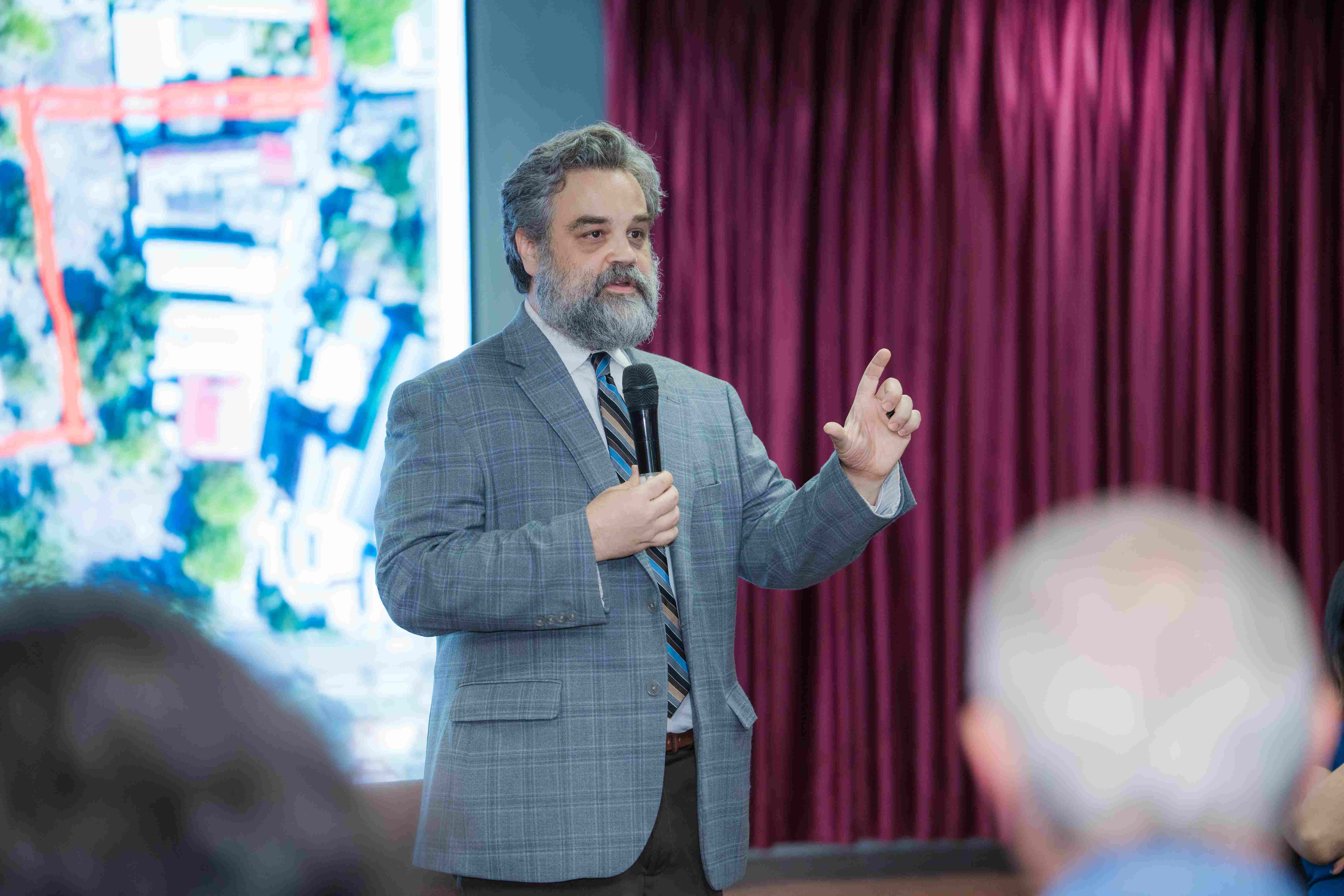
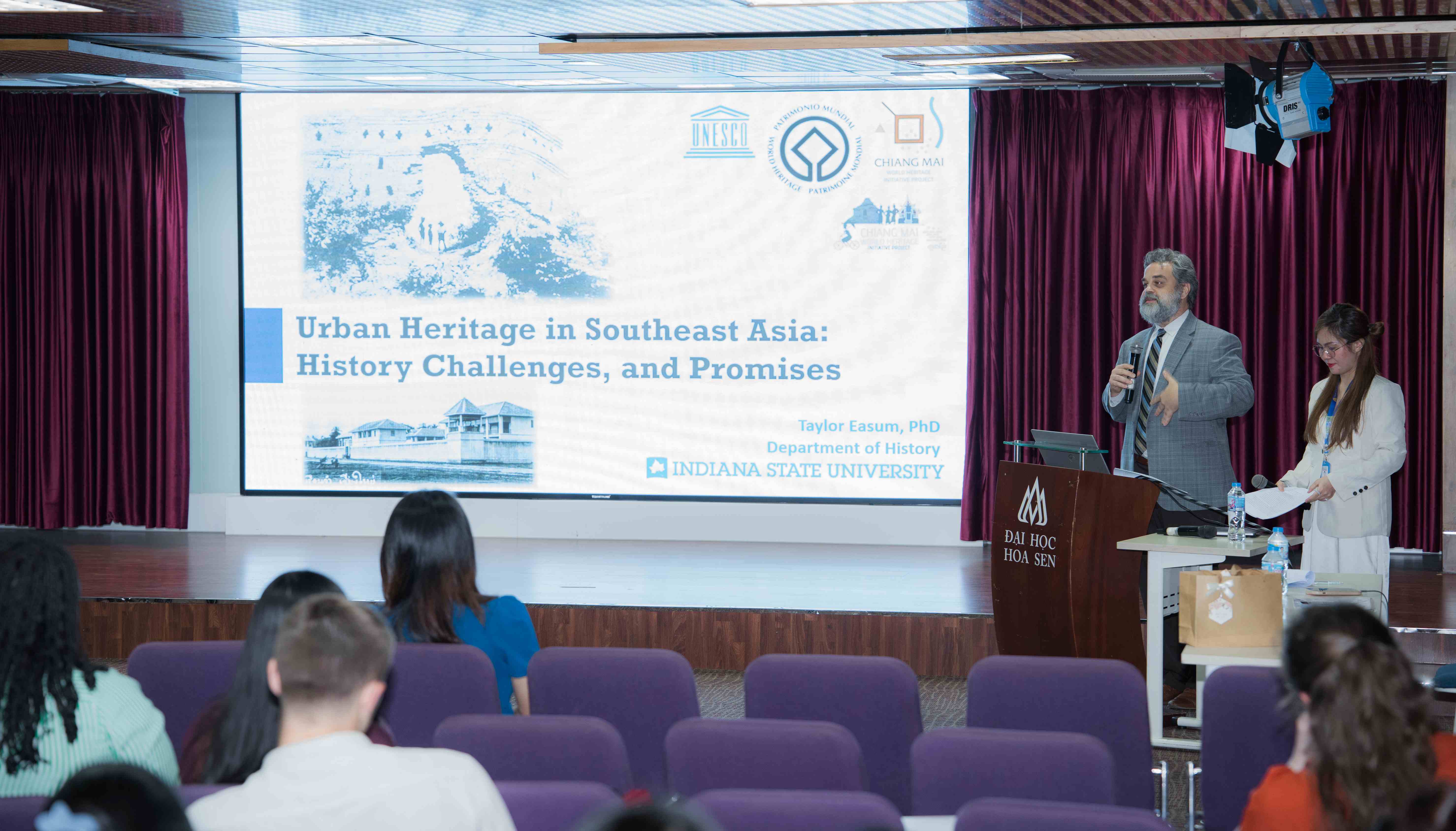
During the presentation, Prof. Taylor Easum guided students through the historical development of Thailand’s World Heritage sites, including Sukhothai, Ayutthaya, and the UNESCO nomination dossier of Chiang Mai. Beyond approaching heritage from a conservation perspective, the workshop explored connections among urban history, tourism development, local economies, and community life.
Through practical case studies, students gained deeper insights into key issues faced by many Southeast Asian countries, including heritage preservation amid rapid urbanization, balancing economic growth with local identity preservation, and the role of communities in safeguarding cultural values.
Community stories reflected through heritage preservation
One of the most thought-provoking topics at the workshop was the concept of “living heritage”, where historical structures do not exist in isolation but remain closely connected to the daily lives of people.
From Prof. Taylor Easum’s perspective on Chiang Mai, the concept of “living heritage” comes to life, revealing how history continues to exist within the everyday routines of local communities.
His perspective encouraged students to rethink sustainable tourism as a practice that must respect communities, preserve cultural identity, and protect urban memory across generations.
The workshop also opened up meaningful discussions around key questions, including: “Whose history defines heritage?” and “Should heritage serve economic growth or preserve cultural identity?” These are global concerns, especially as many Asian cities continue to face the pressures of rapid urbanization and tourism commercialization.
A global mindset shaped by multicultural learning at HSU
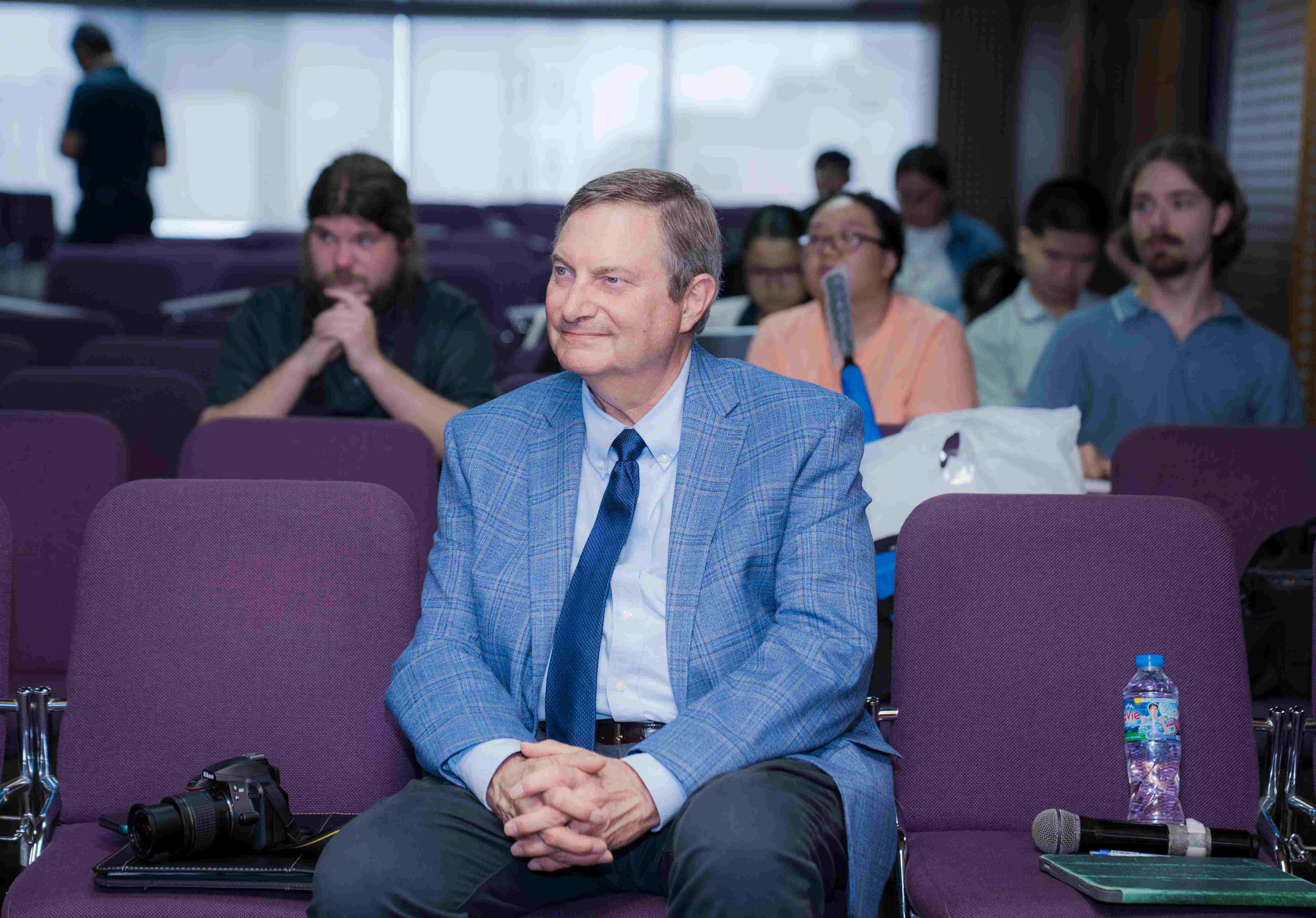
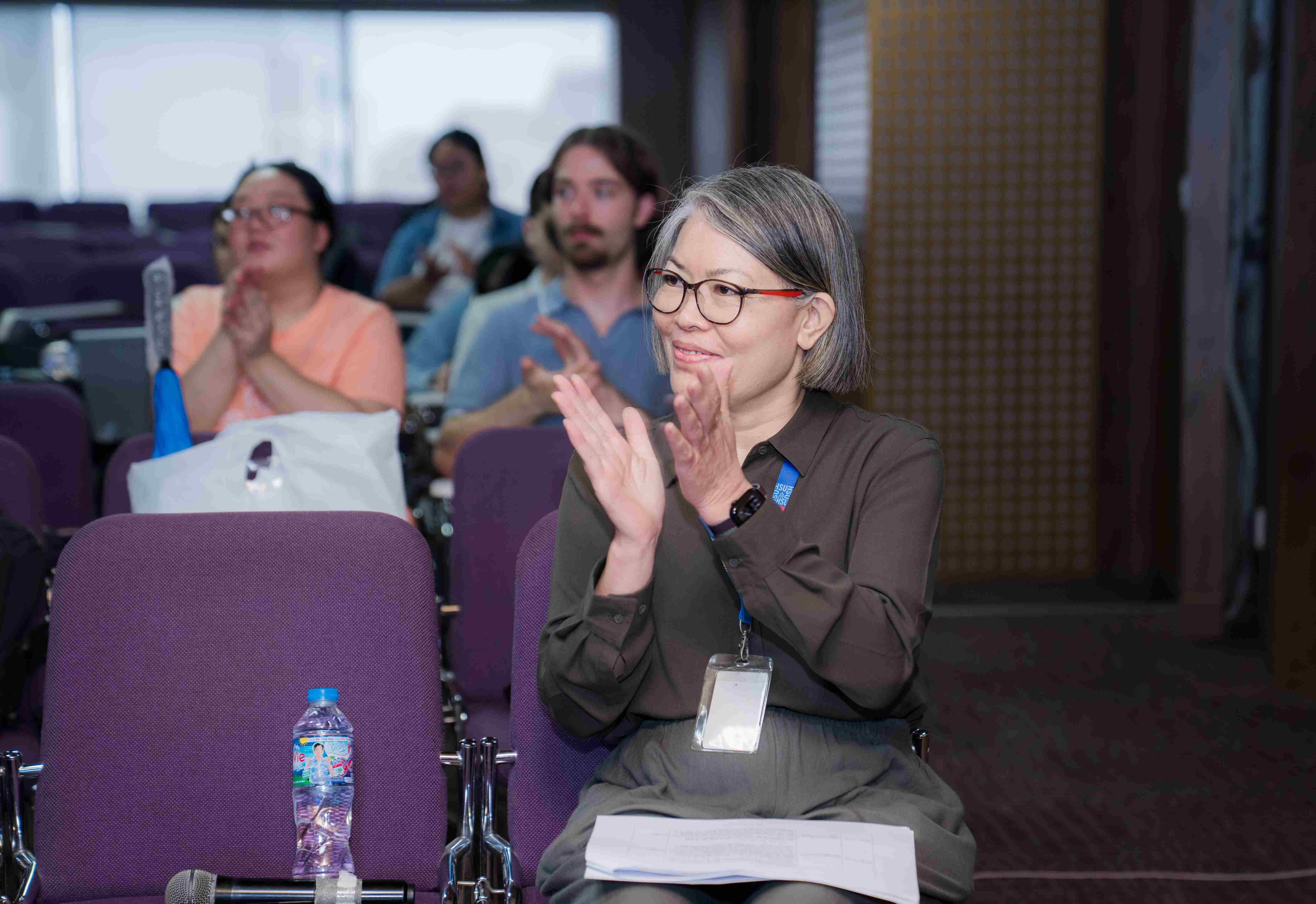
More than an academic sharing session, the workshop offered HSU students direct engagement with international lecturers, helping them sharpen academic communication skills and expand their intercultural thinking.
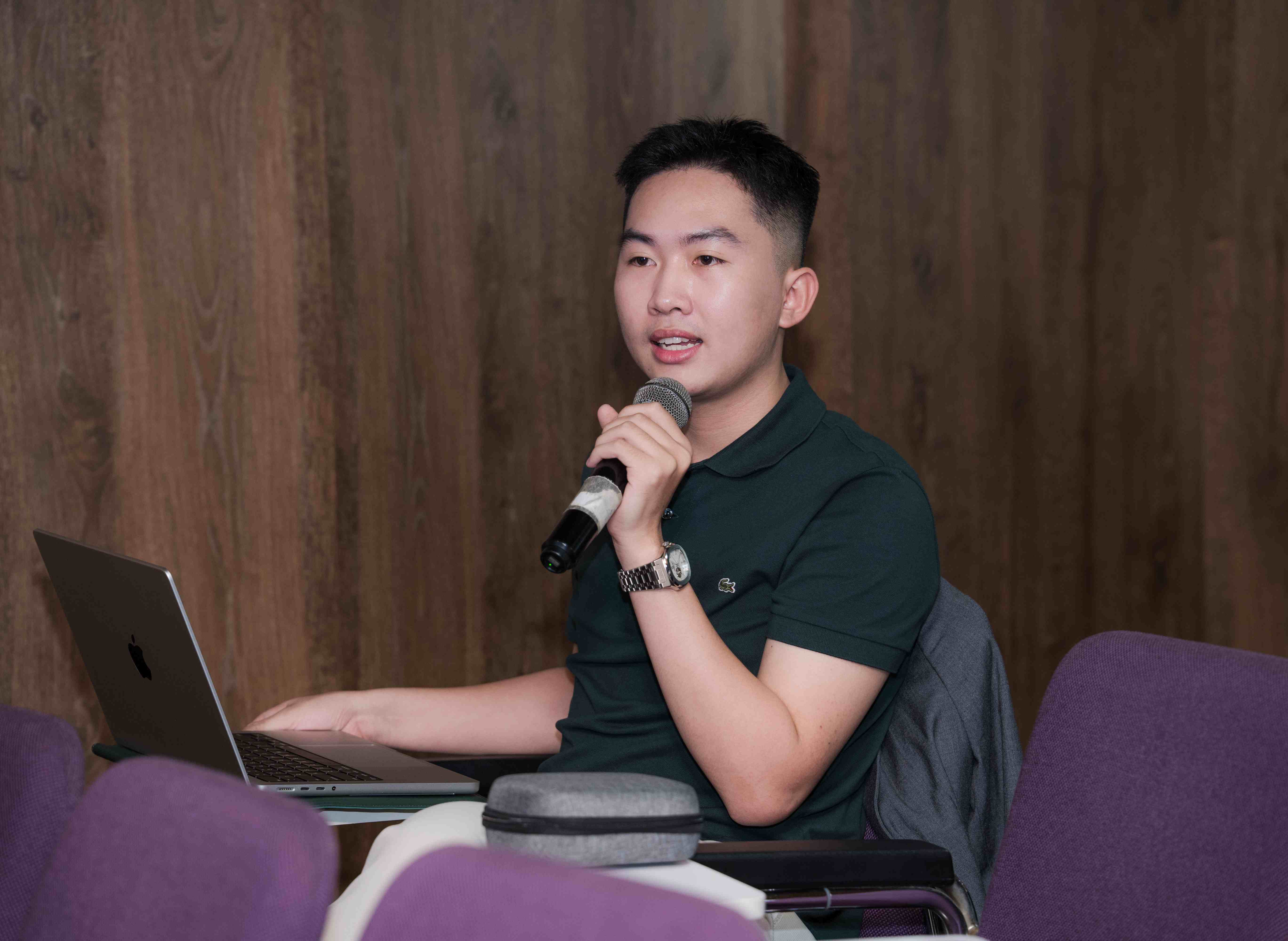
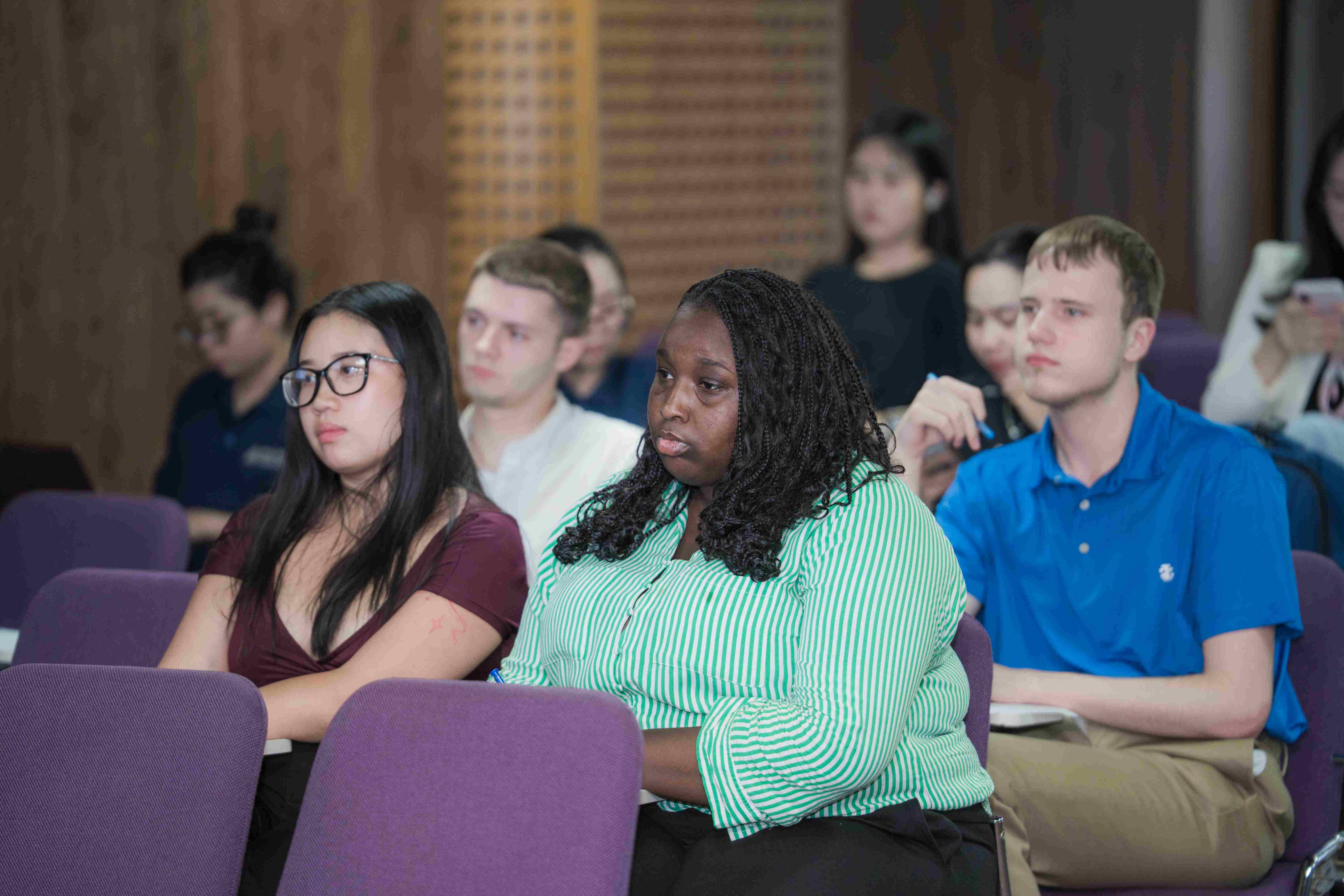
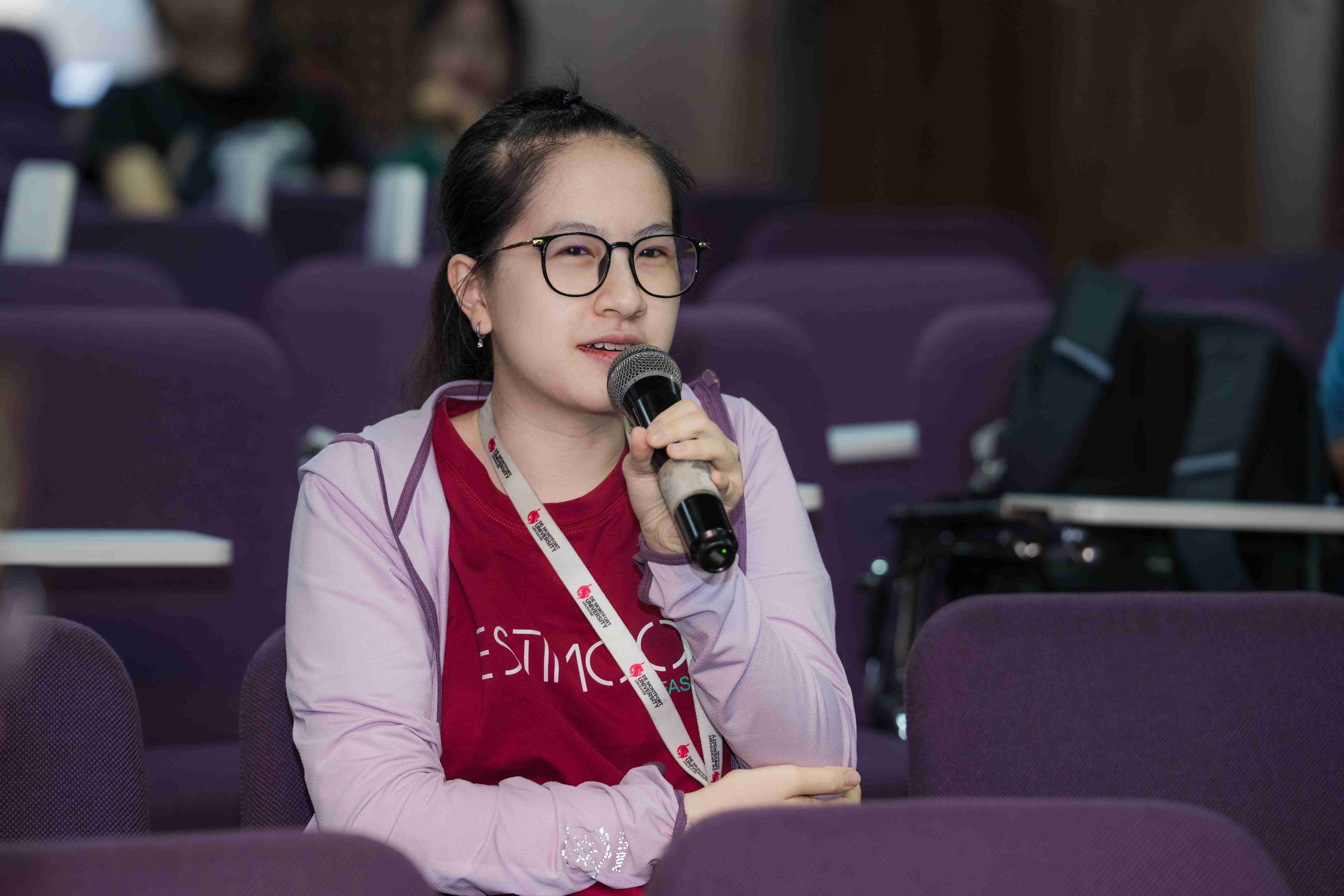
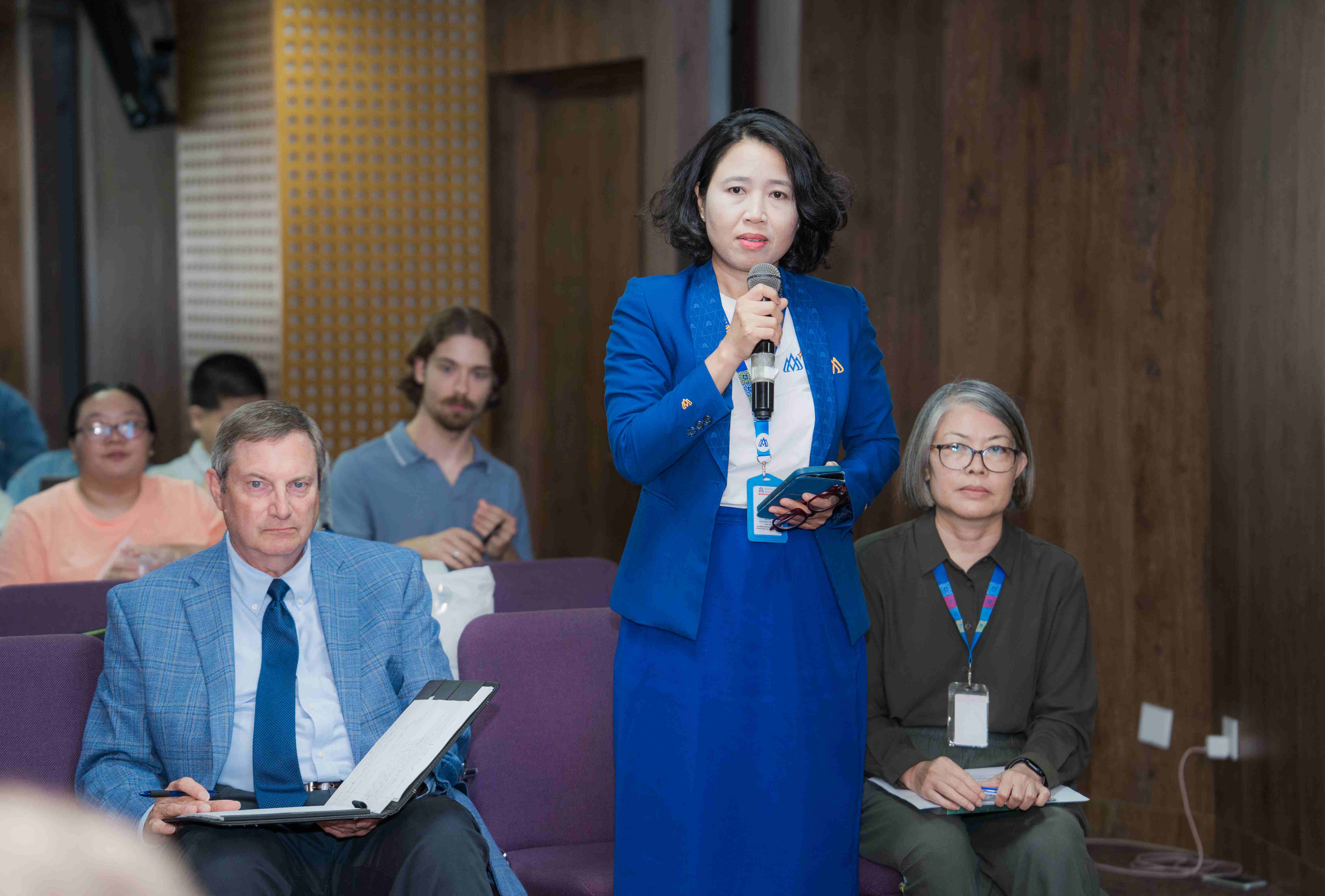
They actively participated by asking questions and discussing how Southeast Asian countries utilize heritage for tourism development, the role of local communities in cultural preservation, and the challenges confronting heritage cities today.
Through ongoing exchange activities with ISU, HSU students are continuously immersed in an international learning environment shaped by a liberal arts approach that bridges academic knowledge with practical experience and enhances global integration skills.
Such international collaborations further expand opportunities for academic, research, and cultural exchange, helping HSU build a more diverse, open, and experiential learning ecosystem.