

Bridging the English Education Gap in Underserved Areas: Starting with Teachers
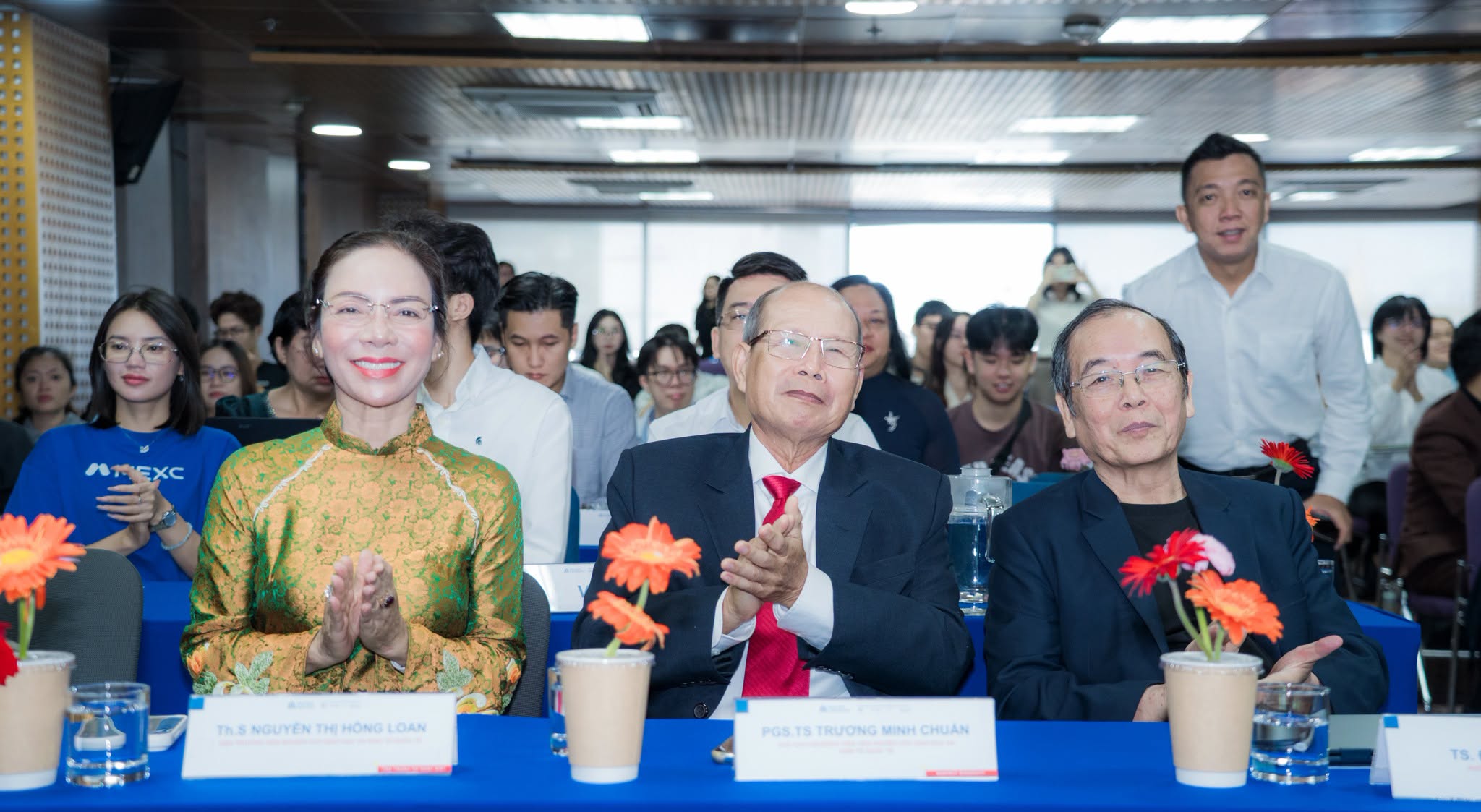
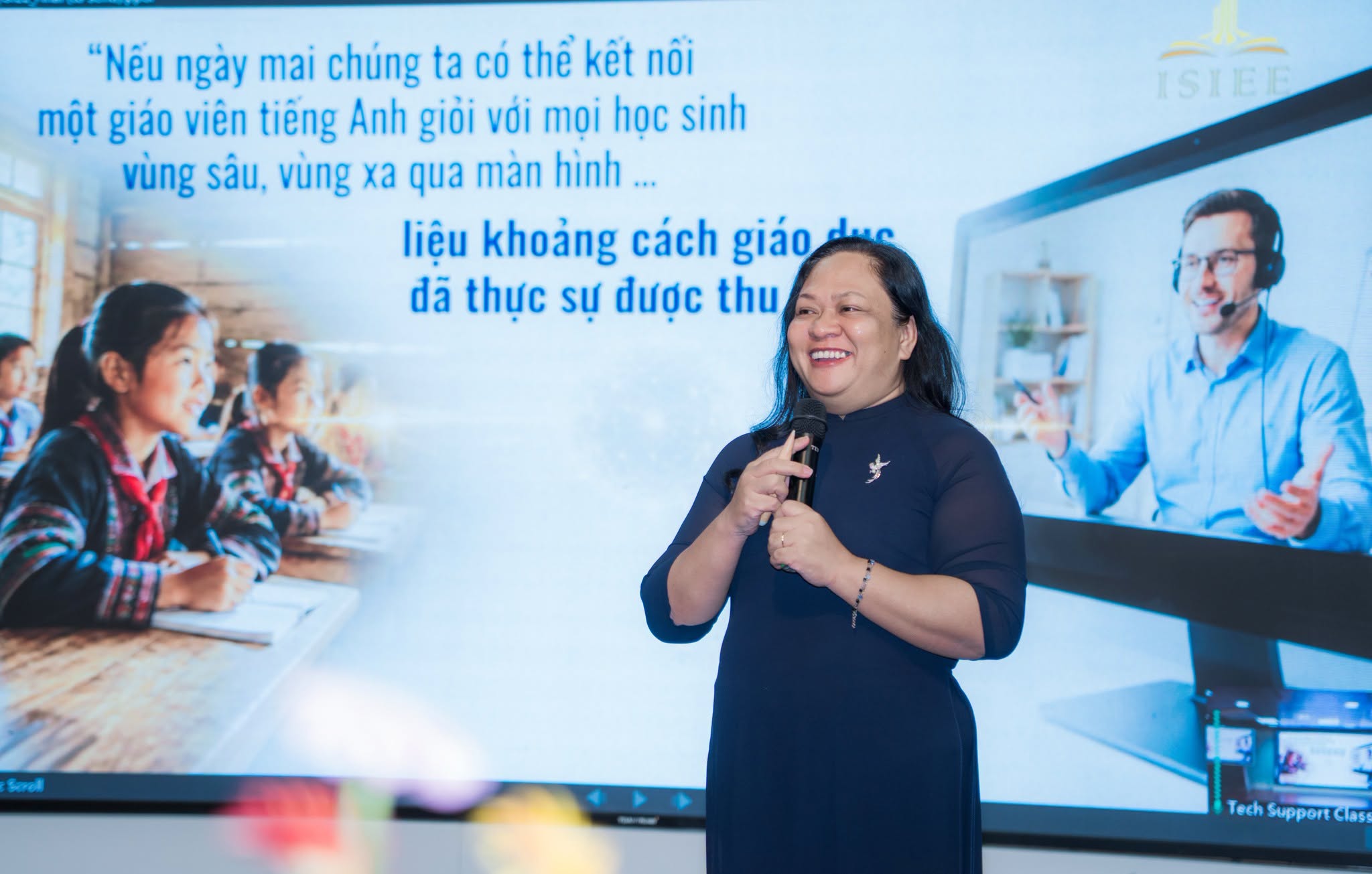
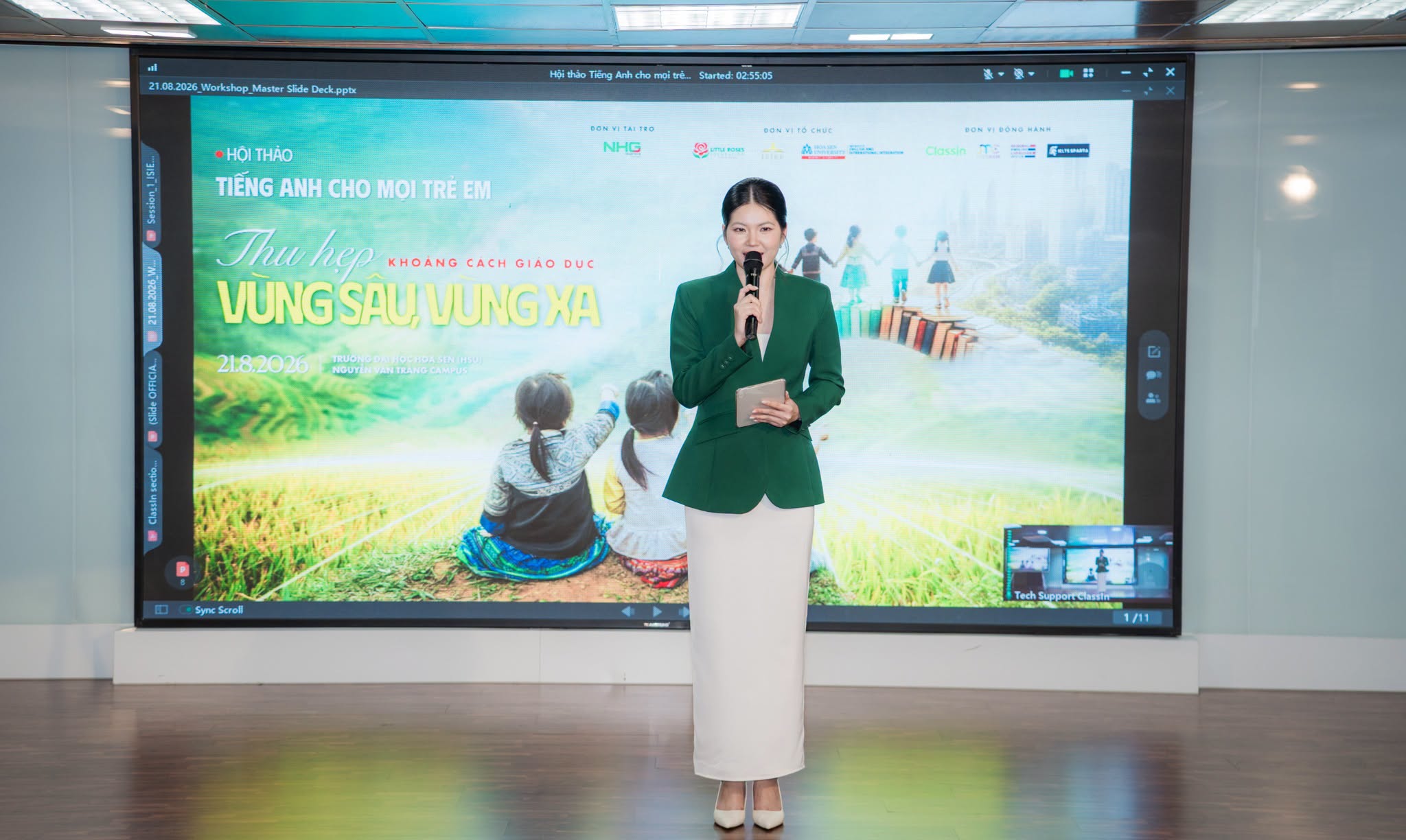
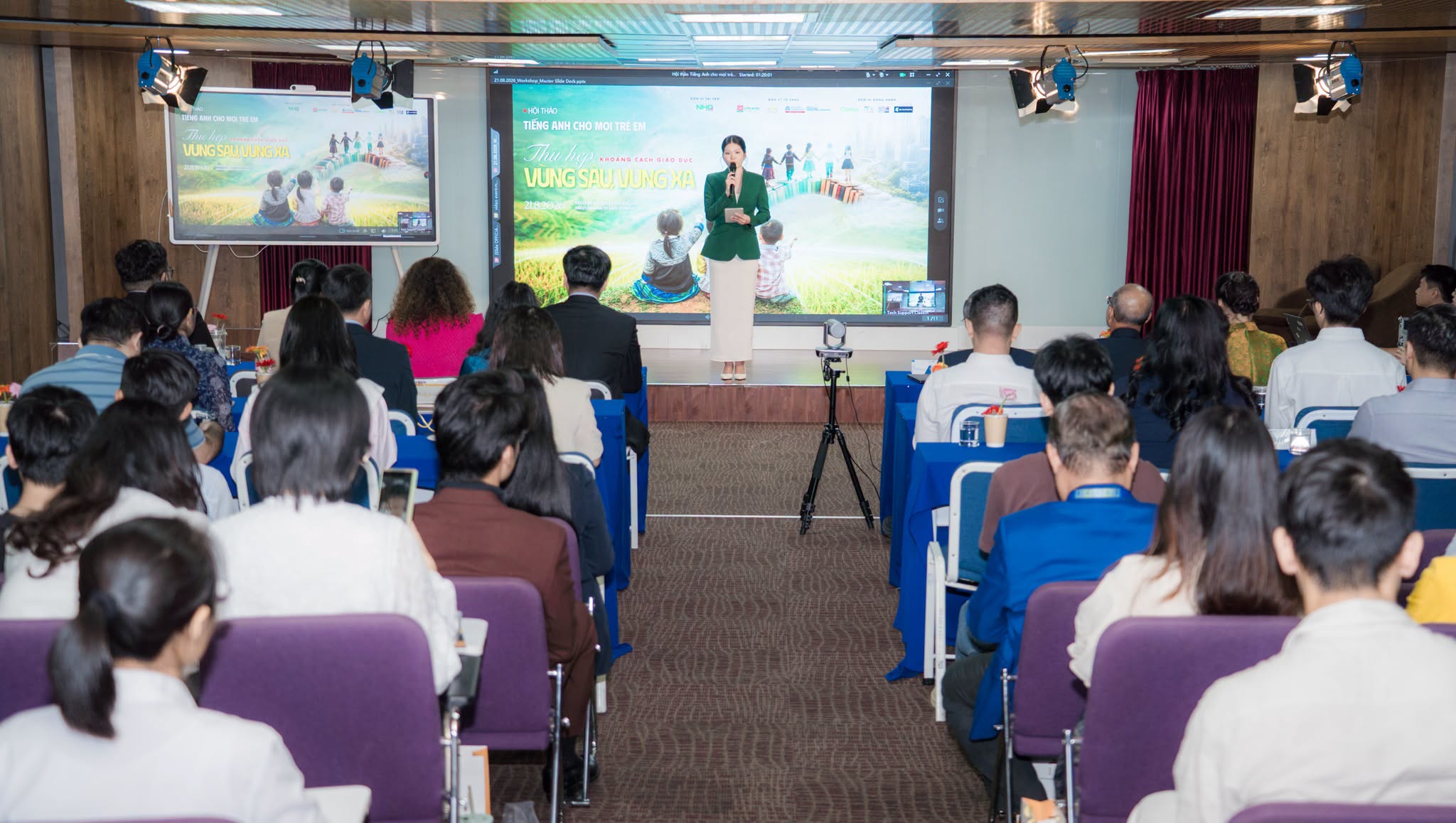
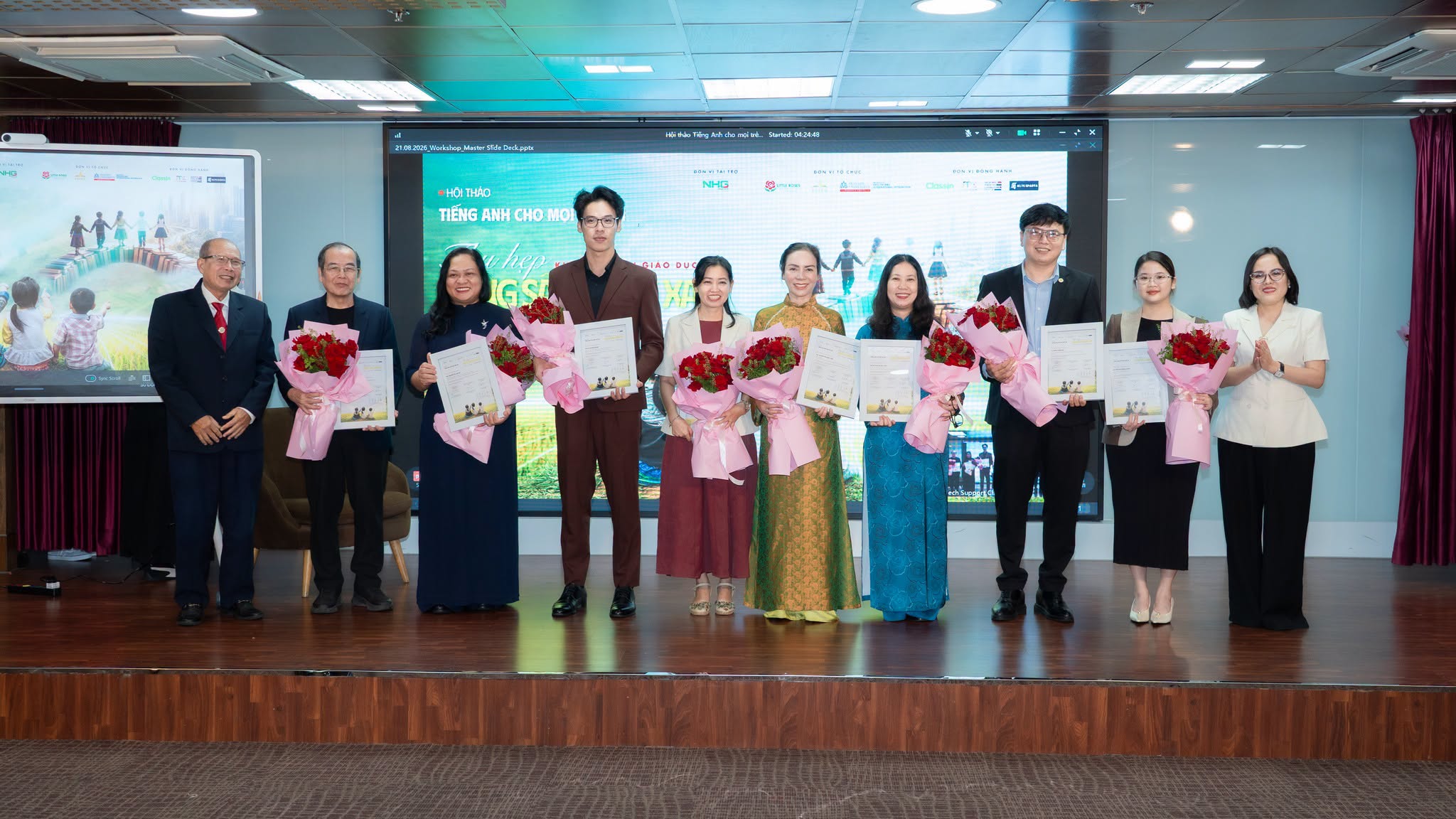
On August 21, 2026, the workshop “English for Every Child: Closing the English Education Gap in Remote Areas”, organized by the Institute of English and International Integration (iEII) at Hoa Sen University, the Little Roses Foundation, and the Institute of Studies of International Education and Economics (ISIEE), explored practical ways to improve English teaching and learning in underserved areas.
The workshop highlighted psychological barriers among teachers as a key challenge. Moreover, for students to confidently learn and use English, teachers need a safe environment to learn, experiment, and gradually improve their skills.
Teacher Partnership in Bridging Educational Gaps
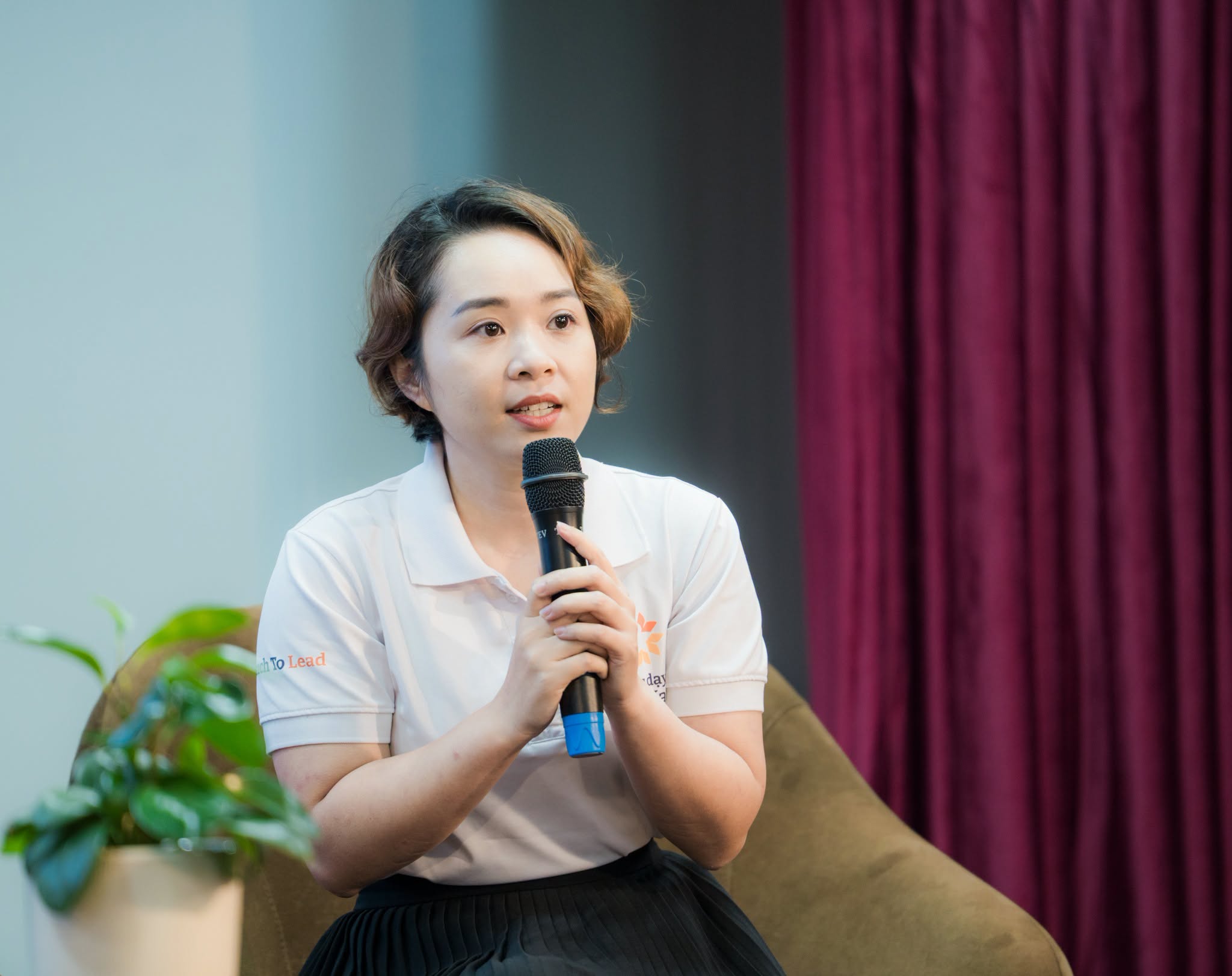
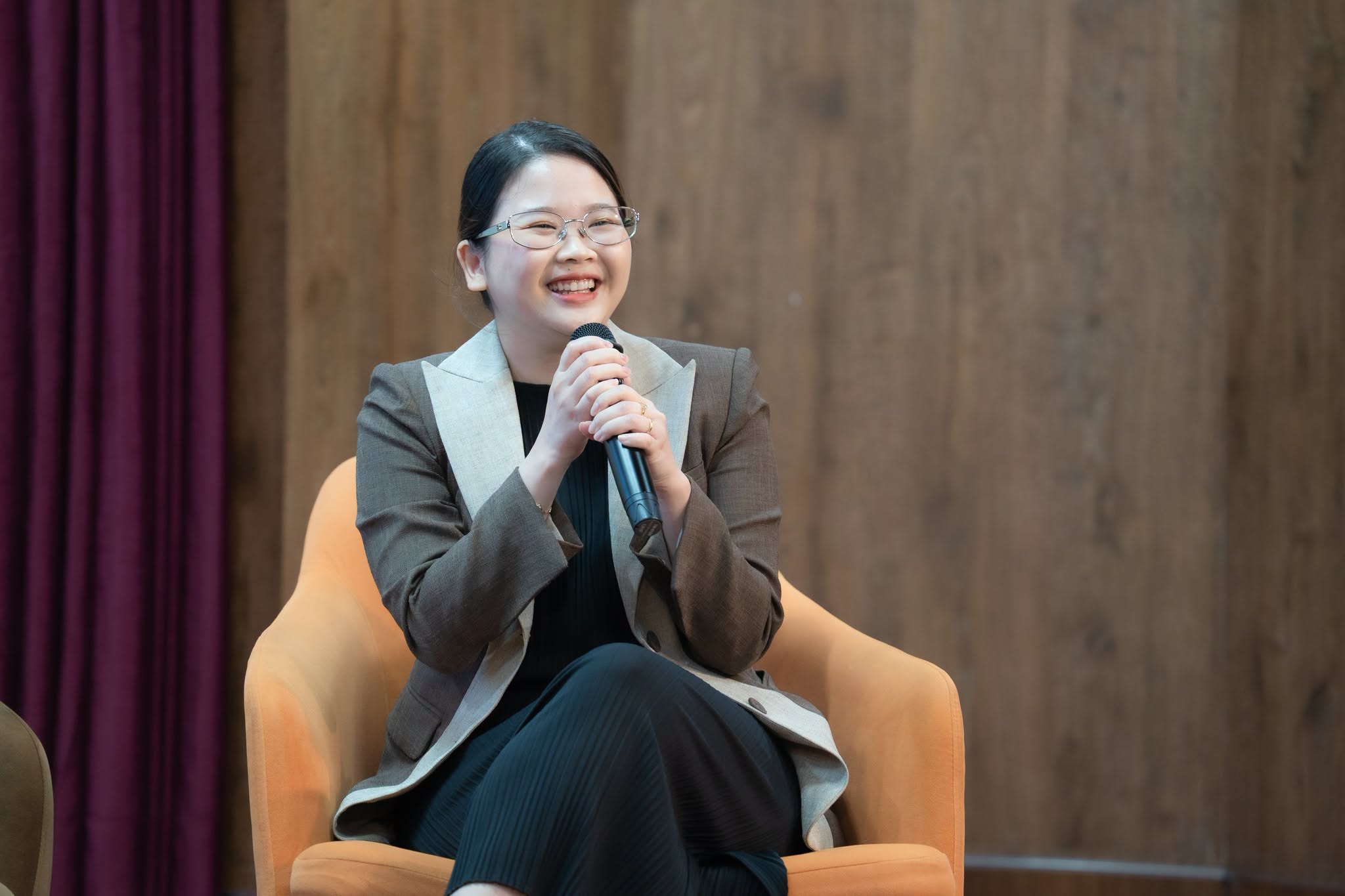
On August 21, 2026, the workshop “English for Every Child: Closing the English Education Gap in Remote Areas”, organized by the Institute of English and International Integration (iEII) at Hoa Sen University (HSU), the Little Roses Foundation, and the Institute of Studies of International Education and Economics (ISIEE), explored the realities of English education in underserved areas through models such as “Ignite English OMO in Vinh Long” and “Teach for Vietnam”. The discussion highlighted the significant pressure local teachers face in adapting and innovating their teaching methods. For teachers, concerns about pronunciation, working alongside native speakers, or using new technologies can become barriers to growth.
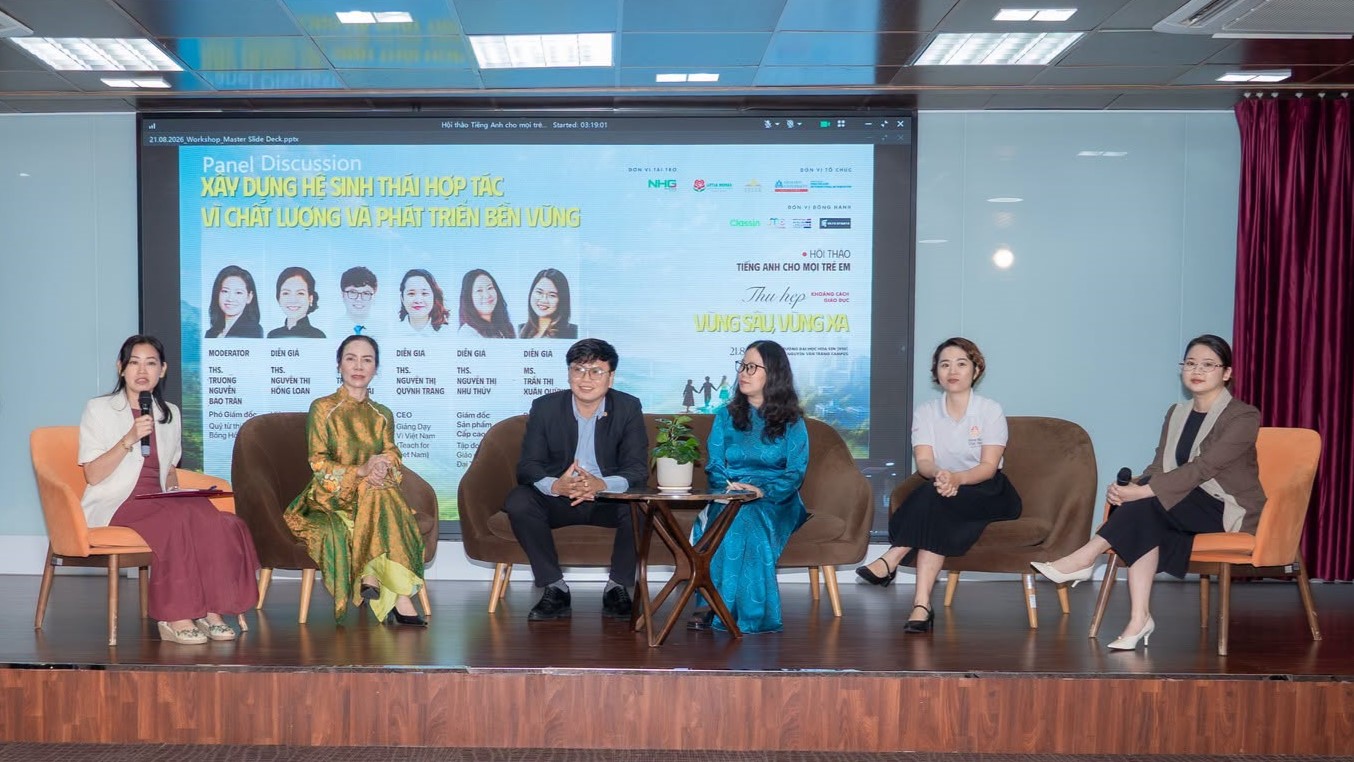
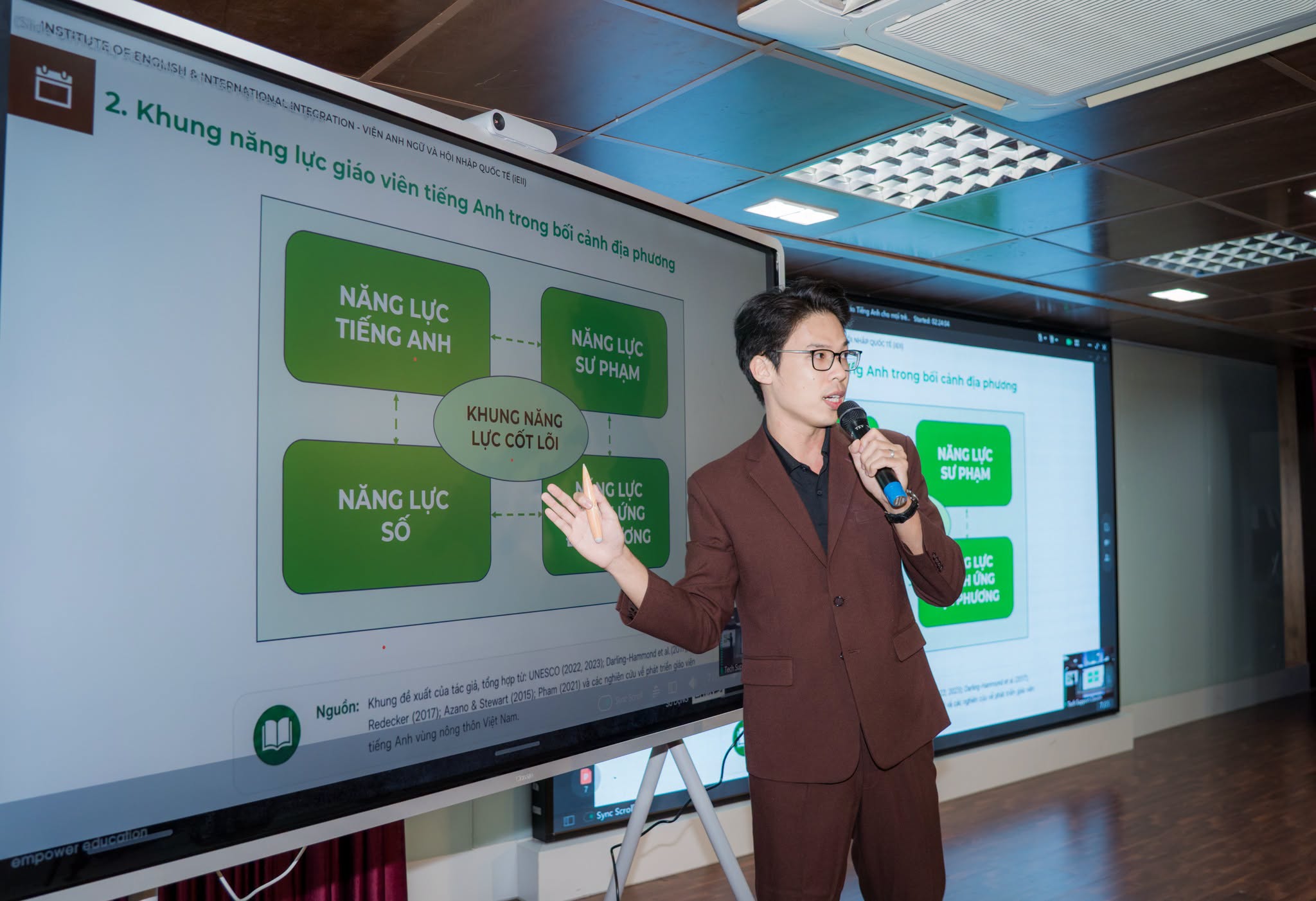
Therefore, supporting teacher development requires a long-term approach that goes beyond short-term training courses. Recognizing the need for continued support, practical opportunities, peer exchange, and context-based professional guidance, iEII proposed a teacher competency development model built around four core areas: English language proficiency, pedagogical skills, digital skills, and adaptability to local contexts. This model combines webinars, practice communities, mentoring, and cluster-based lesson studies to support teachers’ continuous learning and professional development.
University-Based Professional Support for Teachers in Underserved Areas
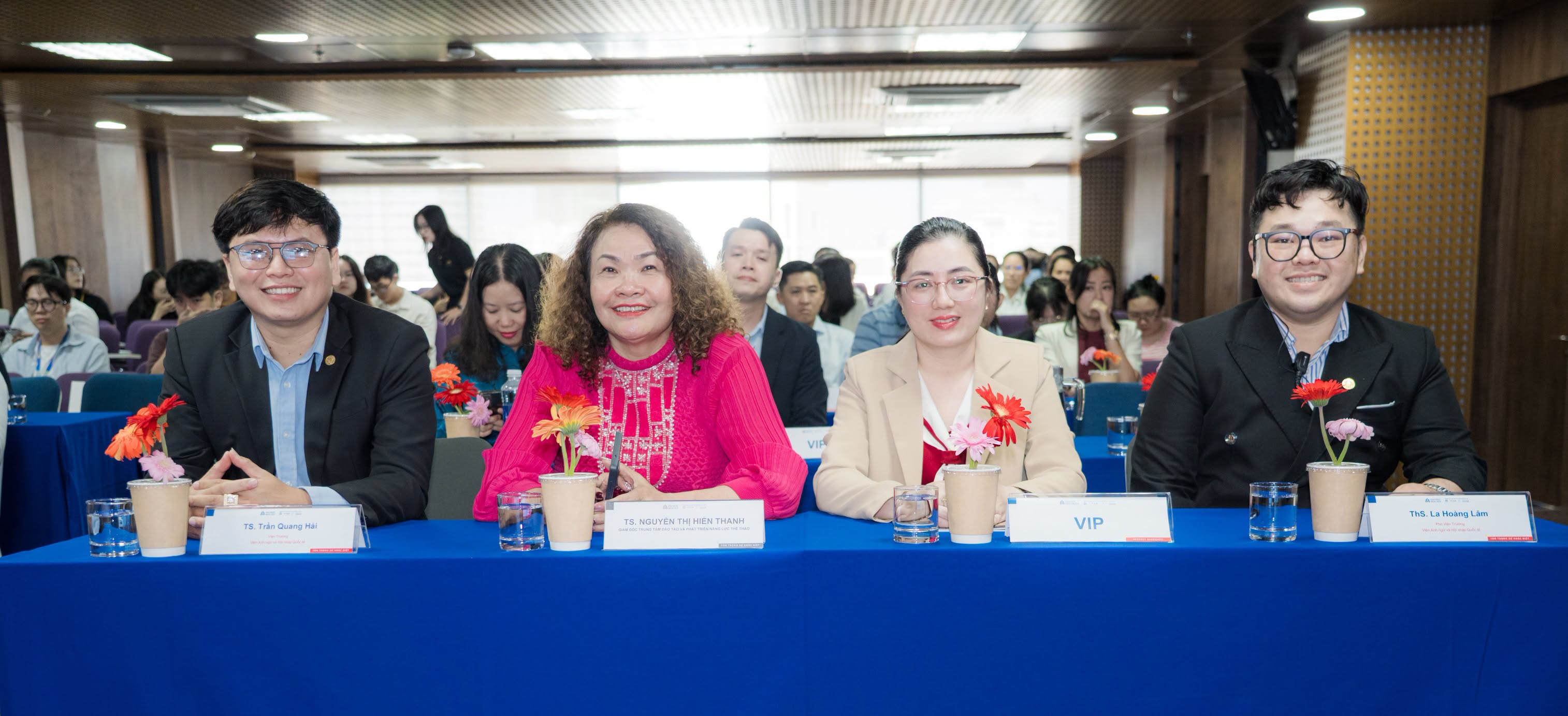
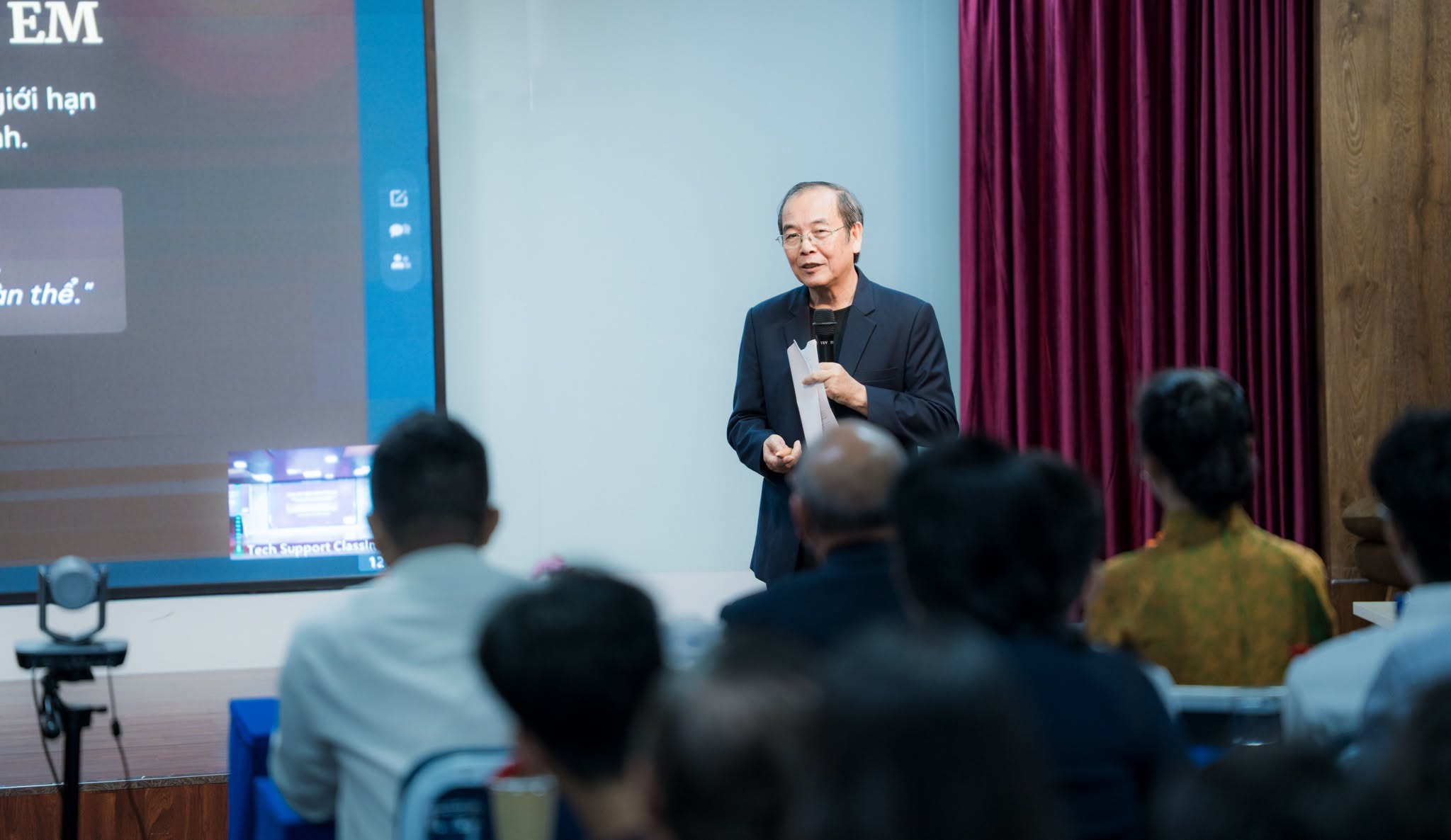
At the workshop, Dr. Tran Quang Hai, Dean of HSU’s iEII, highlighted the role of academic collaboration in strengthening foreign language education in underserved areas.
He emphasized that universities needed to be more deeply involved in the educational development process, not only by training graduates but also by providing professional support for teachers. Additionally, modern teaching approaches, technology, and digital learning materials ought to be translated into tools that teachers could apply directly in the classroom.

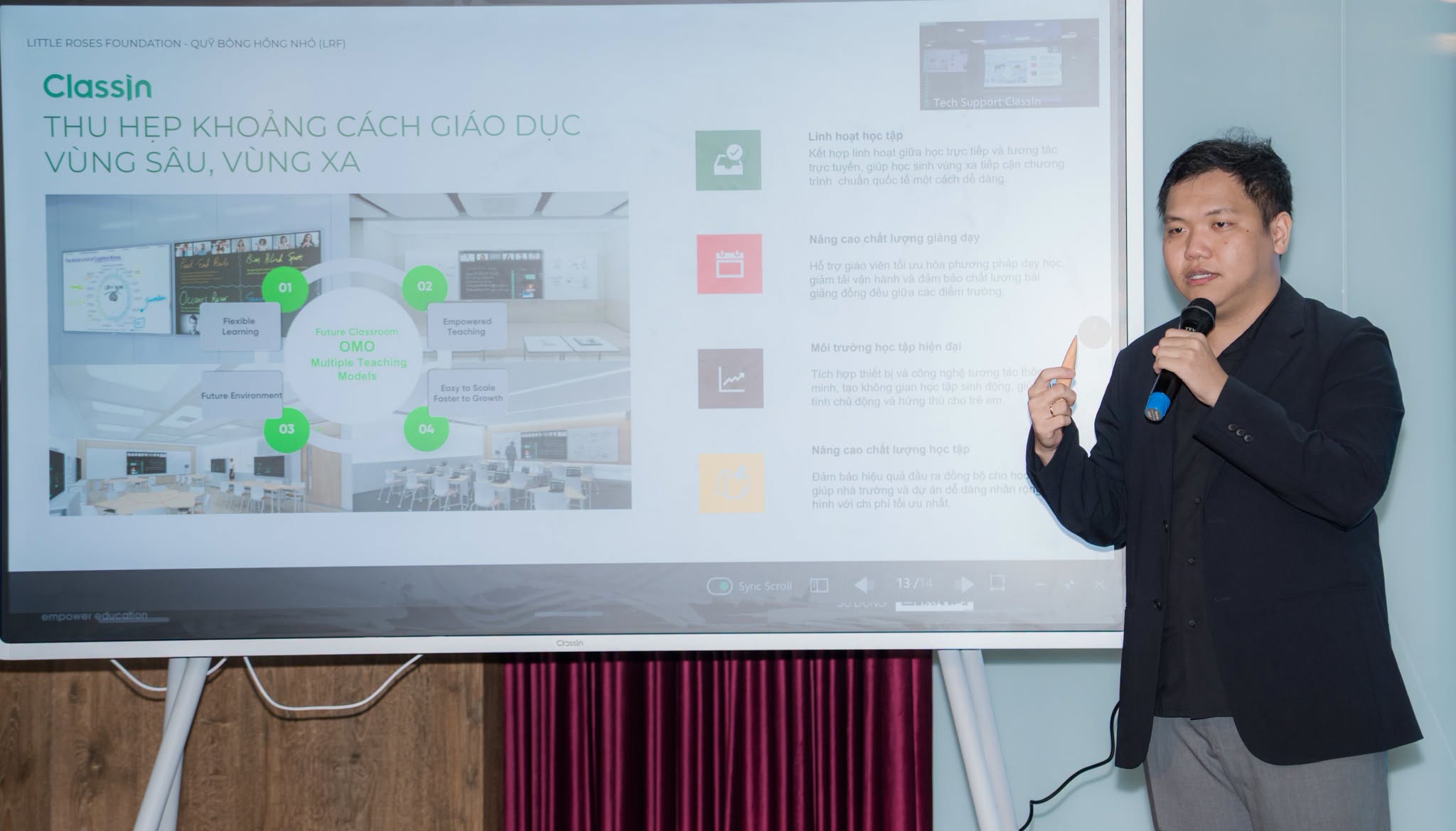
This perspective was also shared by ecosystem partners such as DTP Education Solutions JSC and ClassIn. Thus, technology and digital learning materials can serve as valuable tools for empowering teachers, reducing teaching pressure, and expanding access to new learning methods.
Building Equal Access to English Education
The workshop concluded with a clear message: closing the English education gap is not the responsibility of any single group, but a shared effort involving teachers, schools, universities, businesses, technology, and social organizations. When teachers receive the support they need, students gain greater access to quality English learning opportunities that suit their circumstances. Educational initiatives can move beyond impact within individual programs to create sustainable models that can be adapted and expanded across communities over the long term.
Through the workshop, HSU continues to connect knowledge, technology, and educational practice, working toward sustainable solutions that make English a wider gateway to opportunity for children across all regions.


Translated: Tai Do