
HSU Advances Research Capacity Toward International Publications in Tourism and Hospitality Management
As Hospitality Management continues to evolve, scientific research is becoming increasingly important in generating insights that respond to industry needs and inform real-world practice. From data and research methods to international perspectives, new approaches are opening up greater possibilities for meaningful research. At Hoa Sen University, faculty members, researchers, and students are encouraged to build their research capabilities, connect with international knowledge, and pursue topics that bridge academic inquiry with practical applications.
From Research Development to International Publications
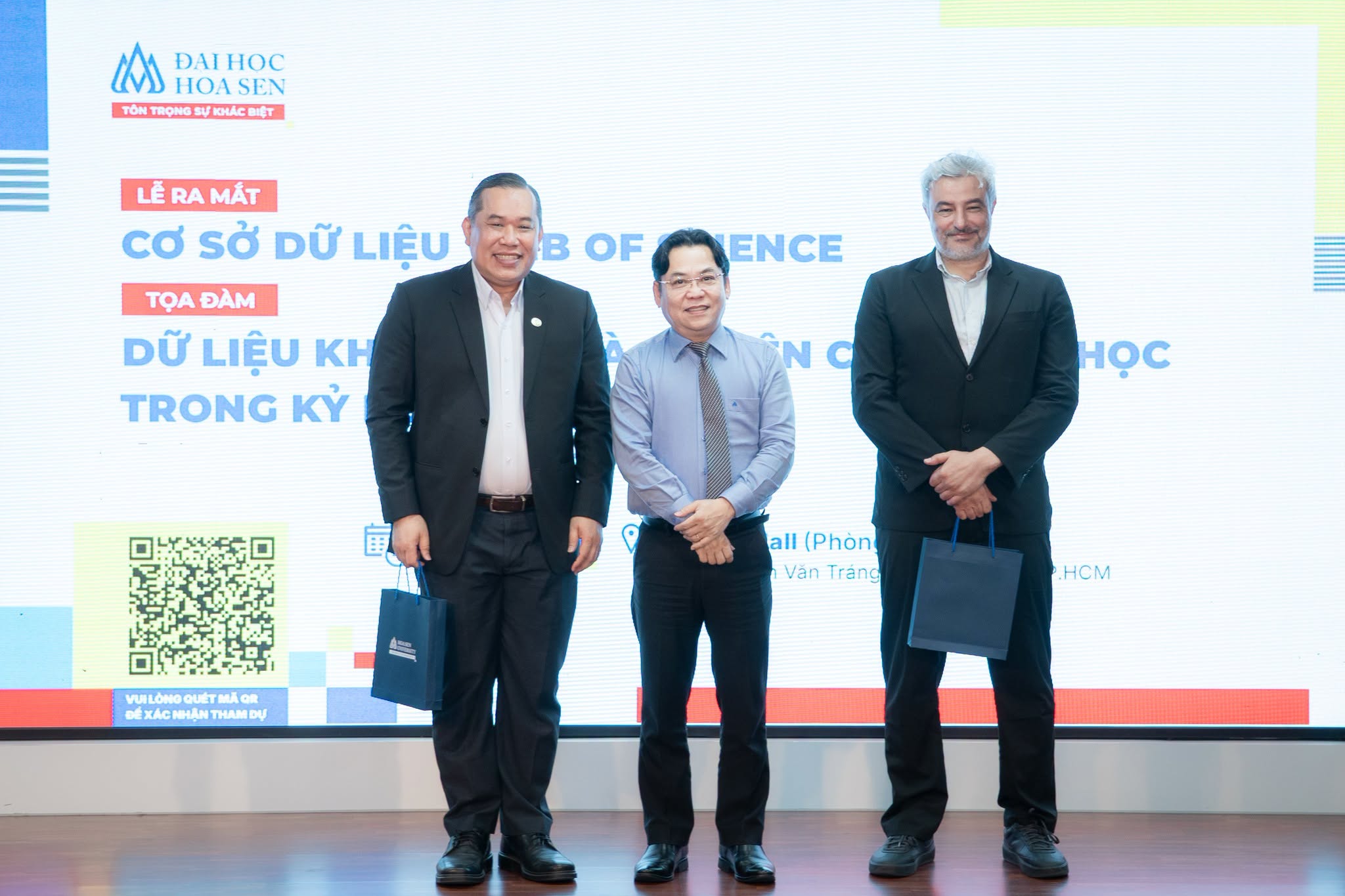
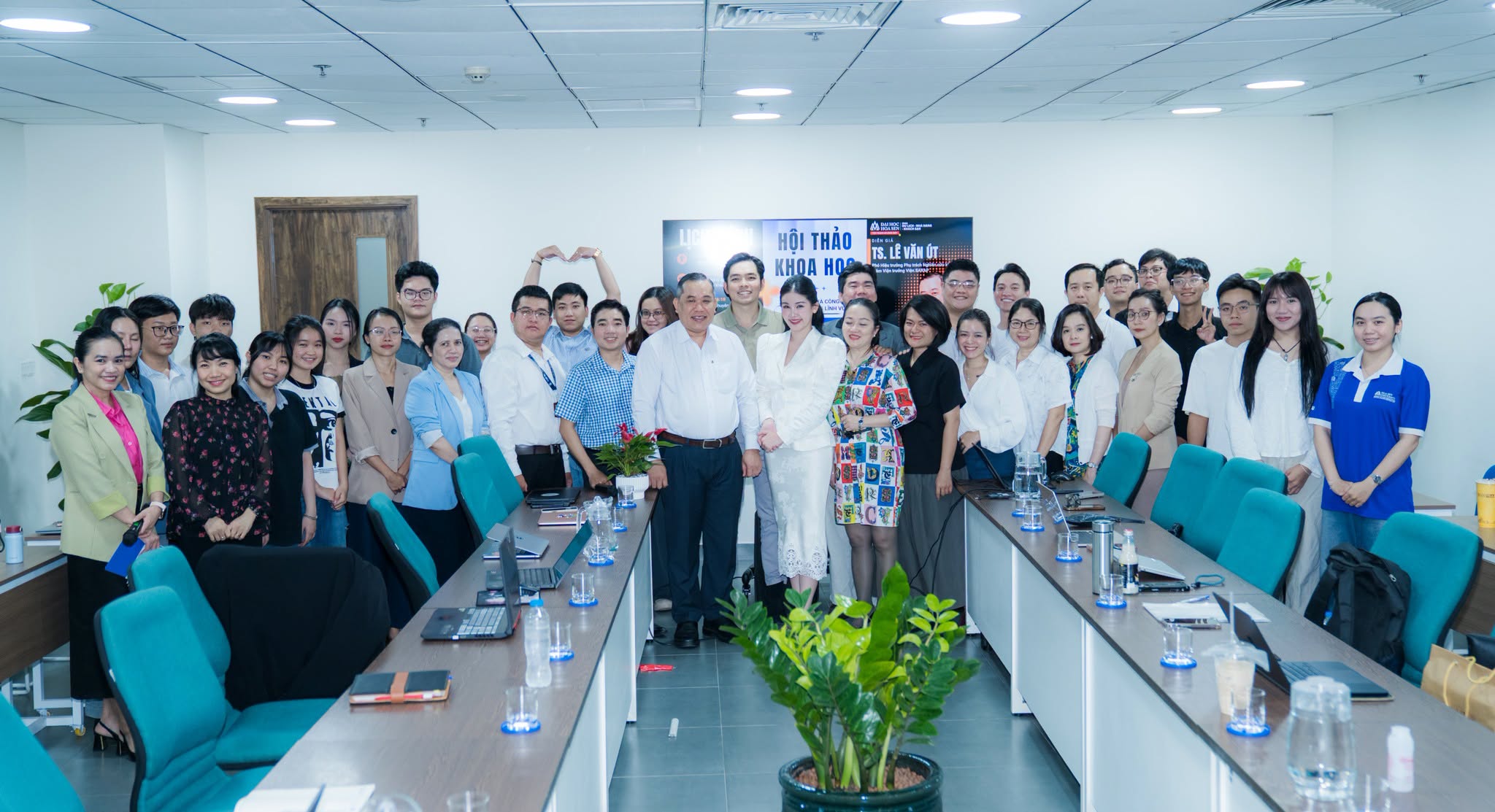
On September 7, 2026, Hoa Sen University (HSU) hosted the scientific conference “Research and International Publications in Hospitality and Tourism”, bringing together academic perspectives on strengthening research capacity and advancing international publications in the field.
Organized by the Faculty of Hospitality Management in collaboration with the Institute for Scientometrics and Research Administration Policies (SARAP), the conference highlighted the importance of connecting academic research with practical applications and international scholarship. The event featured insights from Dr. Le Van Ut, HSU Vice President for Scientific Research and Director of SARAP.
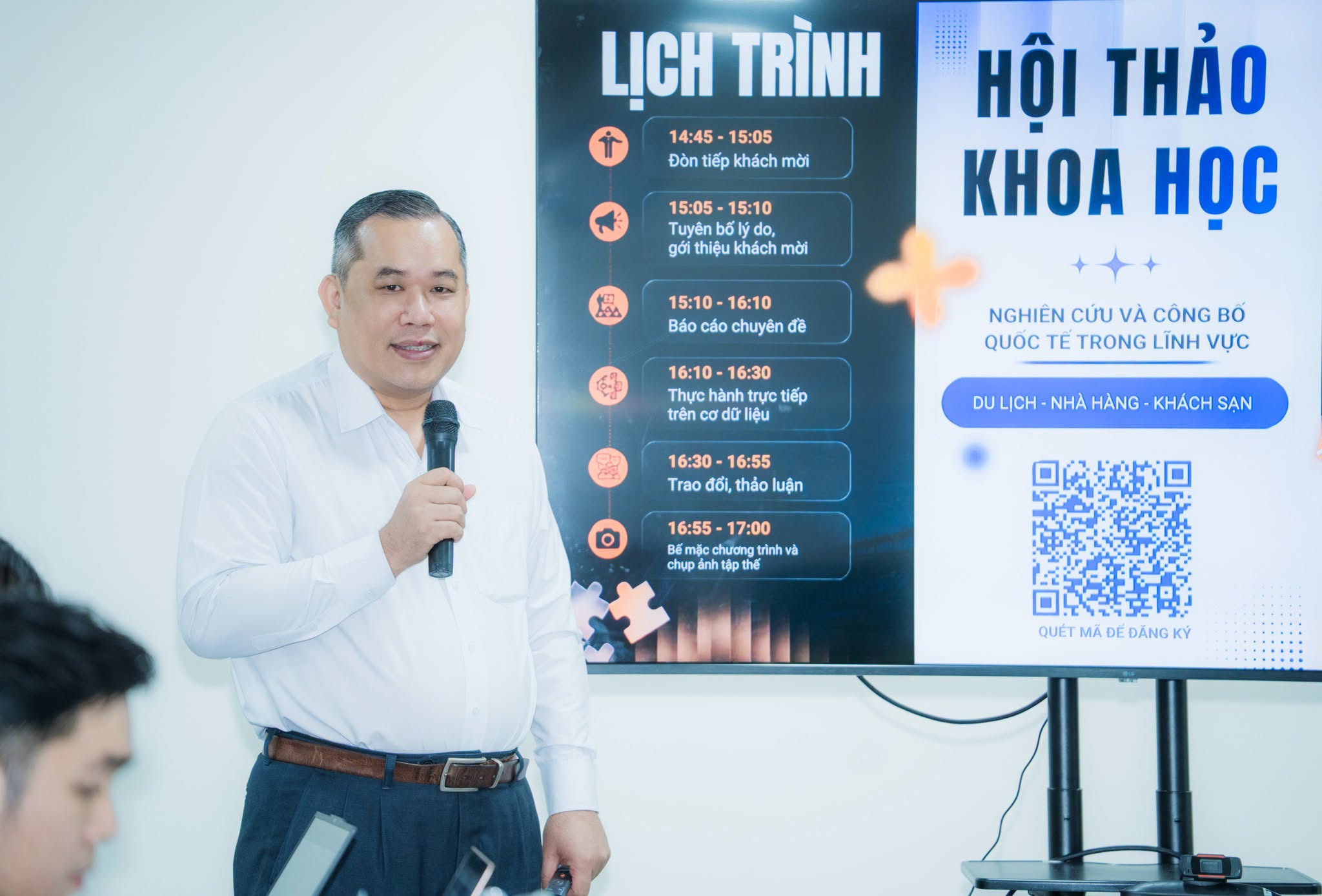
The conference also explored practical considerations for advancing scientific research in Tourism and Hospitality Management. Moving beyond a publication-focused approach, the program emphasized the foundations of meaningful research, from building a solid knowledge base and identifying relevant research problems to exploring directions that translate academic insights into practical value.
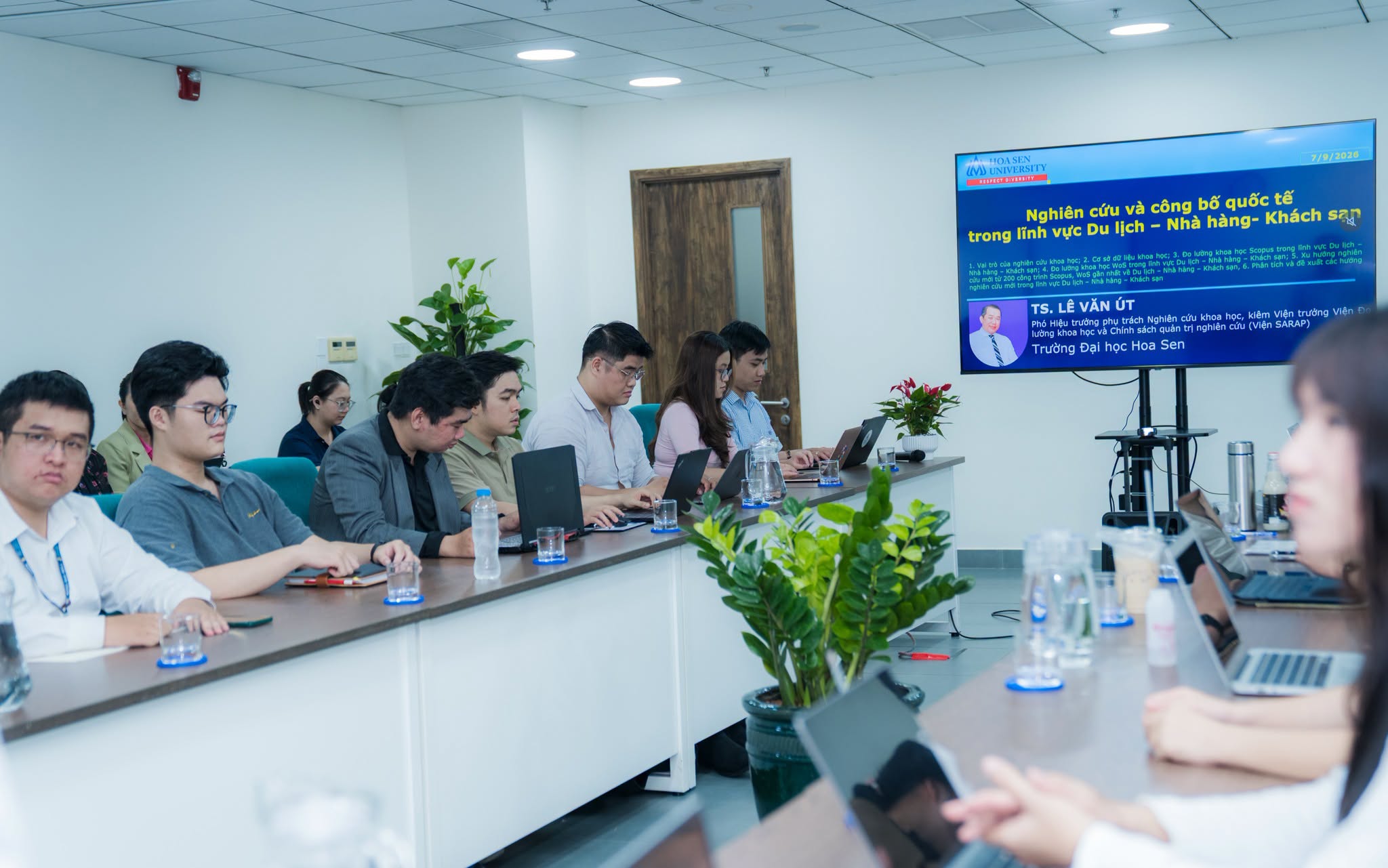
The conference contributes to HSU’s broader strategy of strengthening research capabilities, fostering proactive exploration of emerging issues among faculty members and students, and deepening engagement with the global academic community.
Assessing International Publications, Identifying Research Gaps, and Developing Research Ideas
Furthermore, the conference took participants beyond publication counts to explore what international research data could reveal about the field. By examining publication patterns and emerging trends, the speaker and attendees identified research gaps and gained a clearer perspective on how their topics connected to the broader flow of knowledge.
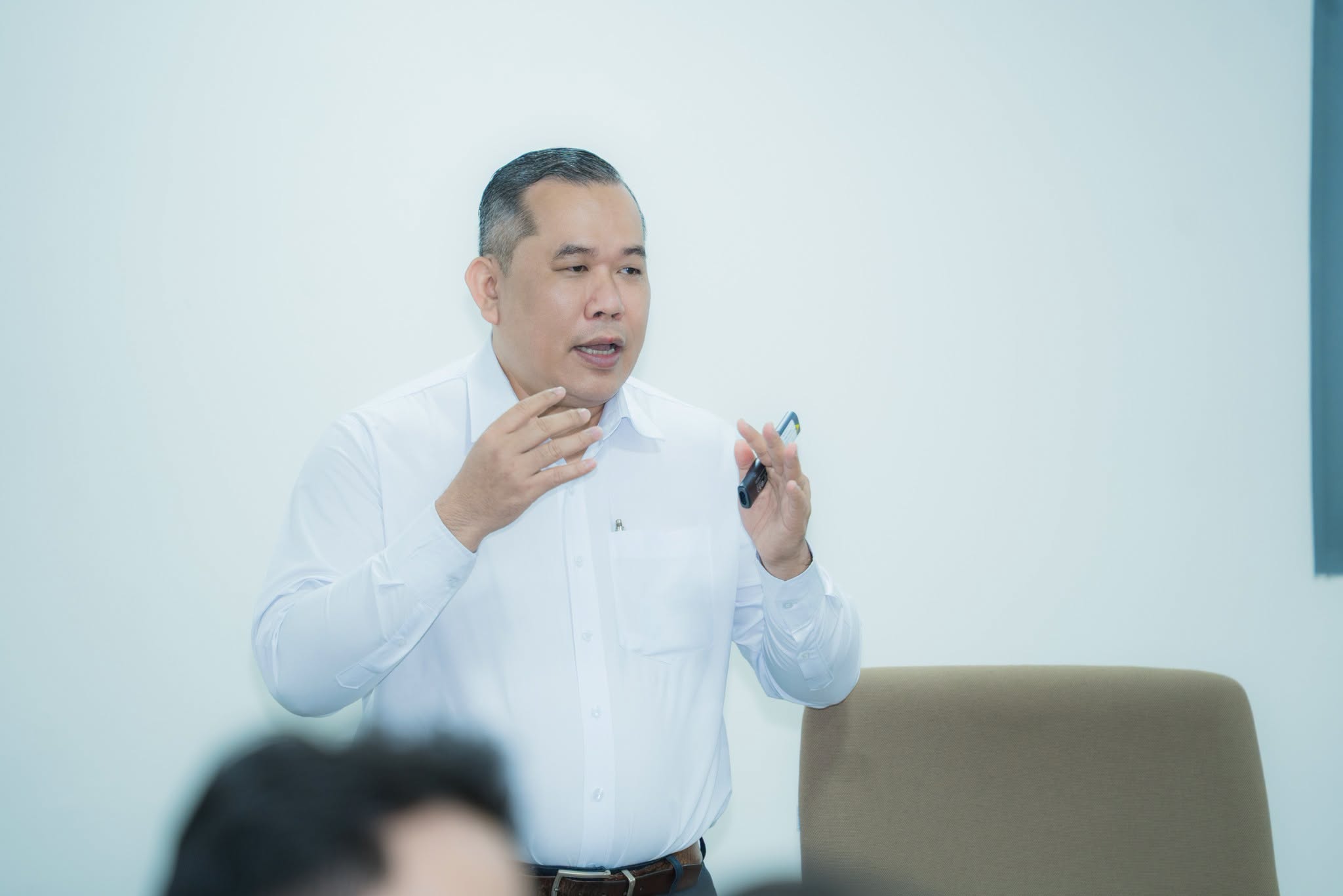
Drawing on observations from published studies, participants learnt about research gaps as a starting point for developing meaningful research topics. These gaps helped them formulate relevant questions while opening up new possibilities for addressing emerging issues closely connected to the demands of Tourism and Hospitality Management.
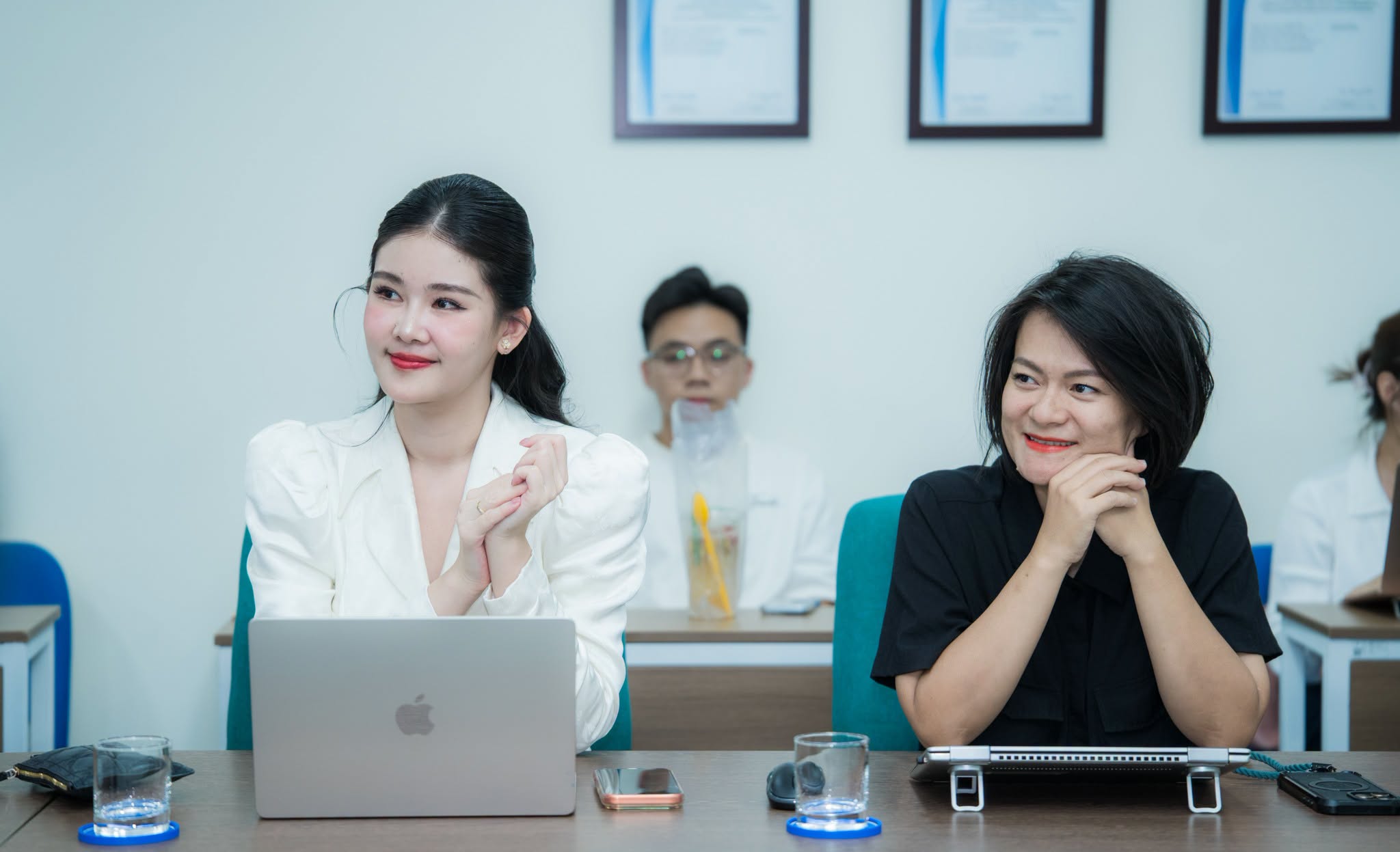
Furthermore, the conference also brought participants and the speaker together through hands-on exercises with research databases and collaborative discussions. By exploring research questions and evidence together, participants learned to search for, interpret, and analyze information, turning their areas of interest into research ideas with clearer directions.
Developing a Research Environment Through Practical Academic Experience
Developing research skills requires more than theoretical knowledge; it involves lifelong learning, practice, and critical questioning. Professional workshops, academic exchanges, and research methodology sessions provide learners with practical experiences that reflect the process of developing a research project, from forming initial ideas to refining research approaches.
Through the conference, faculty members, graduate students, and prospective students had opportunities to strengthen their research skills, broaden their access to international knowledge, and turn areas of expertise into clearer research directions.
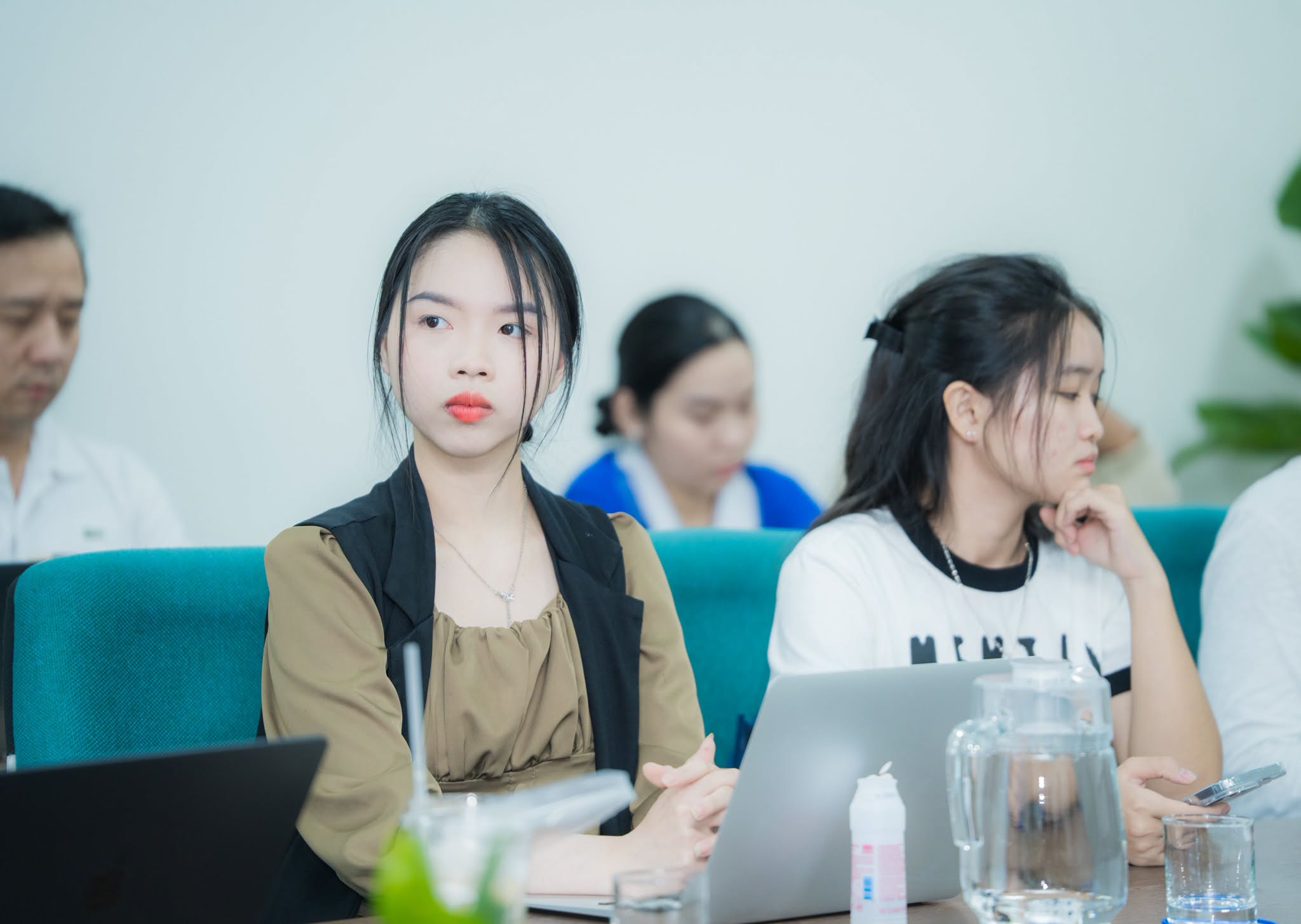
For Tourism and Hospitality Management, where real-world challenges constantly evolve with changing market and societal demands, meaningful research begins with the ability to observe emerging issues, analyze what is happening, and ask the right questions. Therefore, the value of a study lies not only in its publication outcomes but also in its ability to deepen understanding of an issue and generate insights with meaningful practical applications.
Fostering HSU’s Research Culture and International Integration
At HSU, scientific research is closely connected with experiential learning, critical thinking, and the practical application of knowledge. Each workshop and professional sharing session serves as a space for the academic community to exchange ideas, broaden perspectives, stay current with new knowledge, and discover new possibilities for research.
In Tourism and Hospitality Management, the continued development of research capabilities and alignment with international academic standards will strengthen the foundation for HSU to pursue in-depth research and expand its academic network.
Learn through practice.
Research with purpose.
Create value through knowledge.
From questions raised in the classroom to issues emerging from real-world practice, HSU continues to cultivate an academic environment where knowledge is discovered, shared, and developed through international integration.
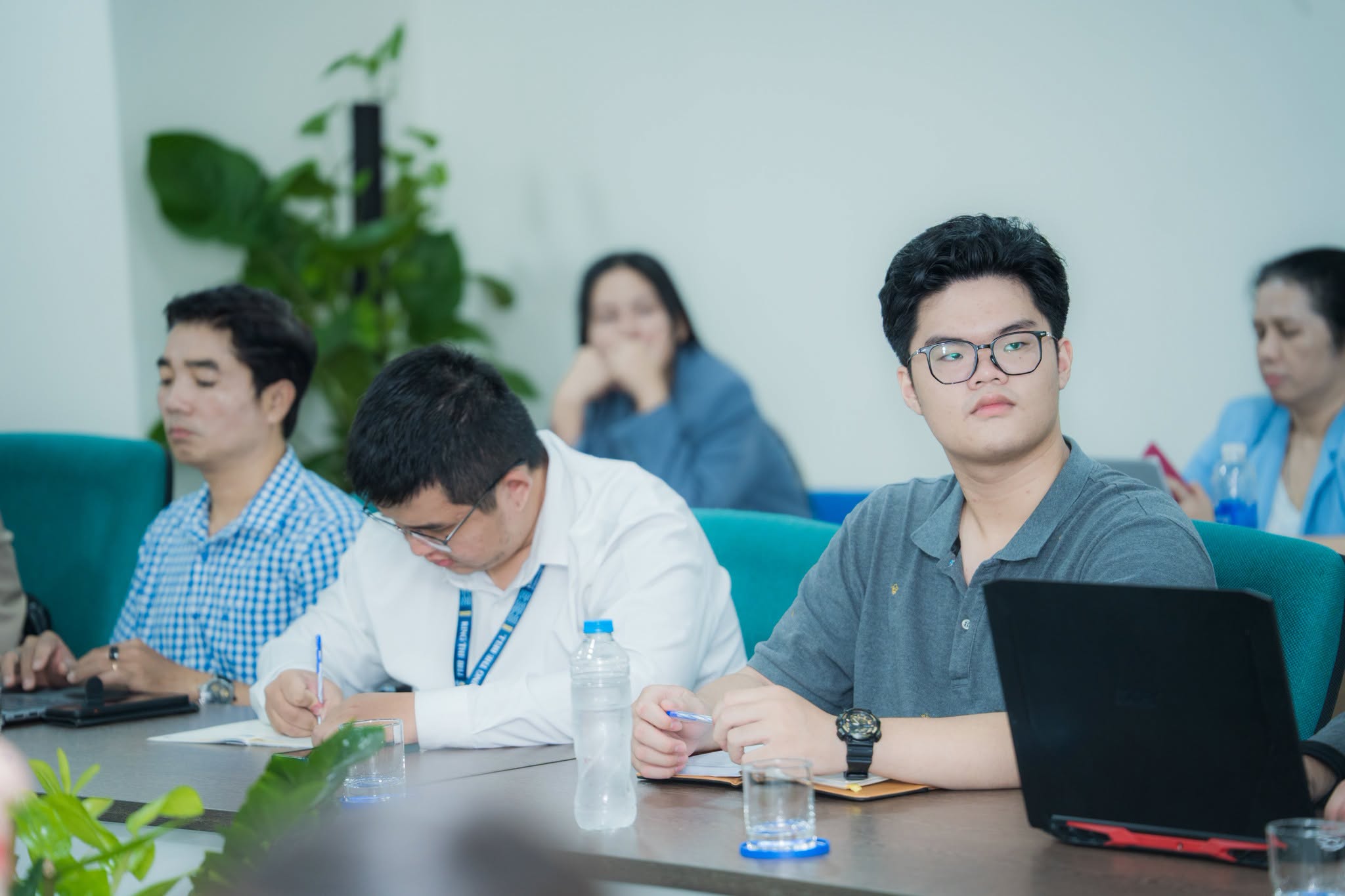
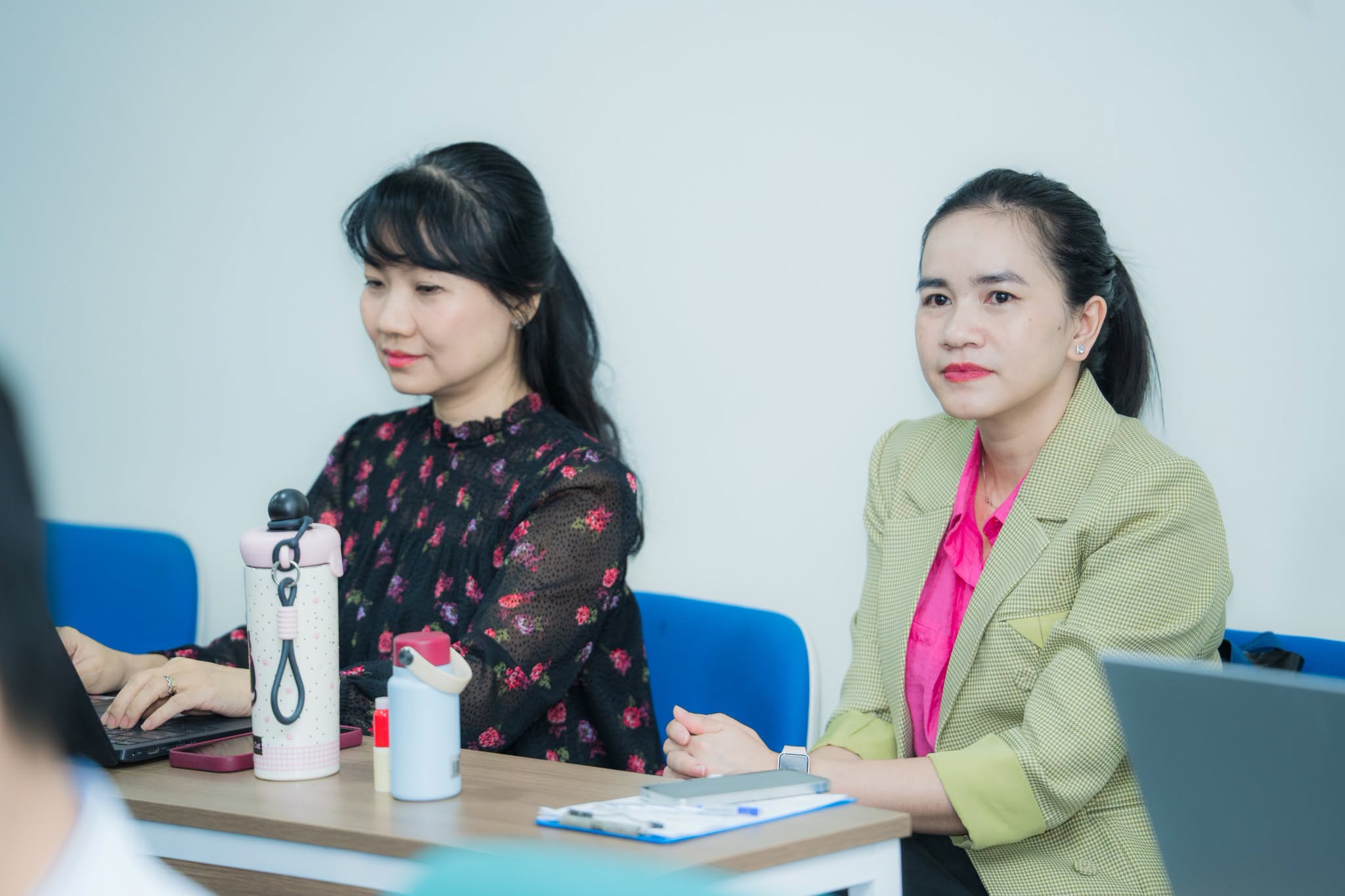
Translated: Tai Do